Rising geopolitical tensions in the Middle East are driving a significant shift in global investment behavior, with large volumes of capital moving into money market funds as investors seek safety amid growing uncertainty in financial markets.
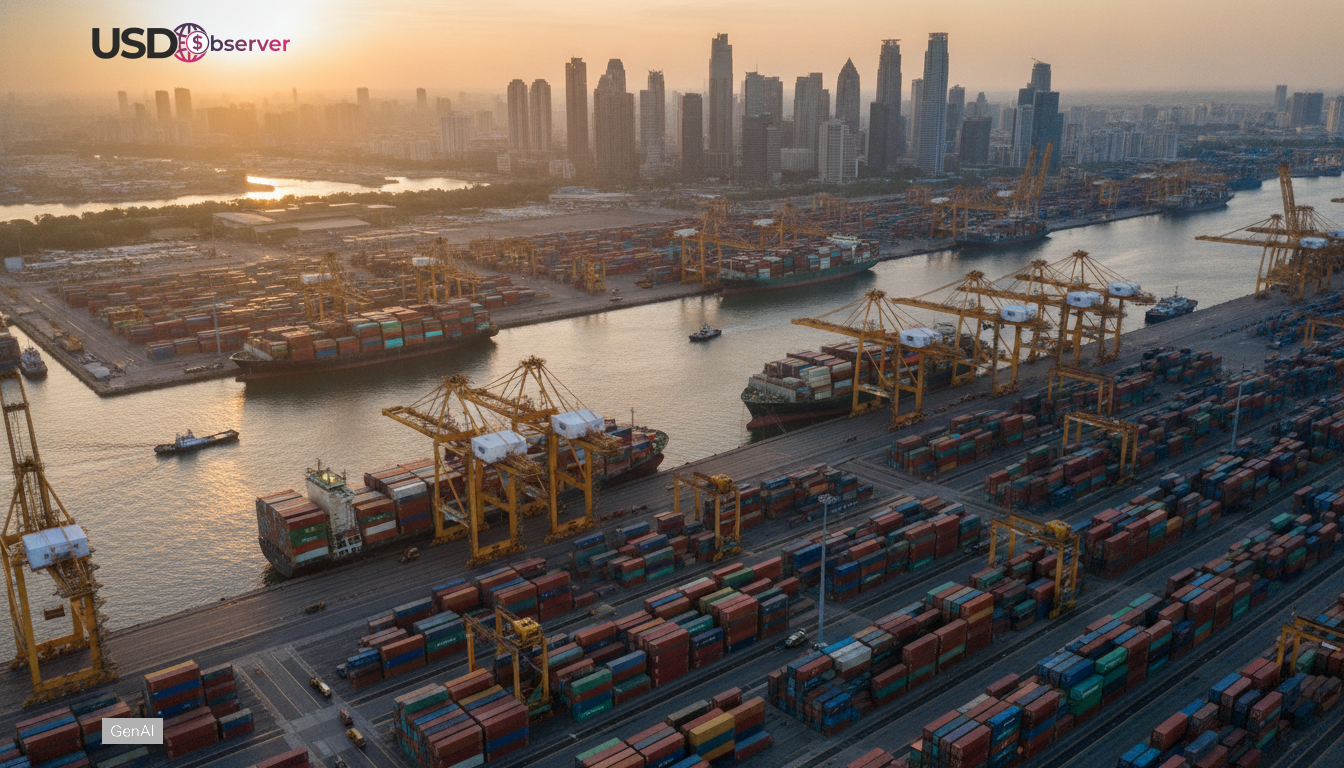
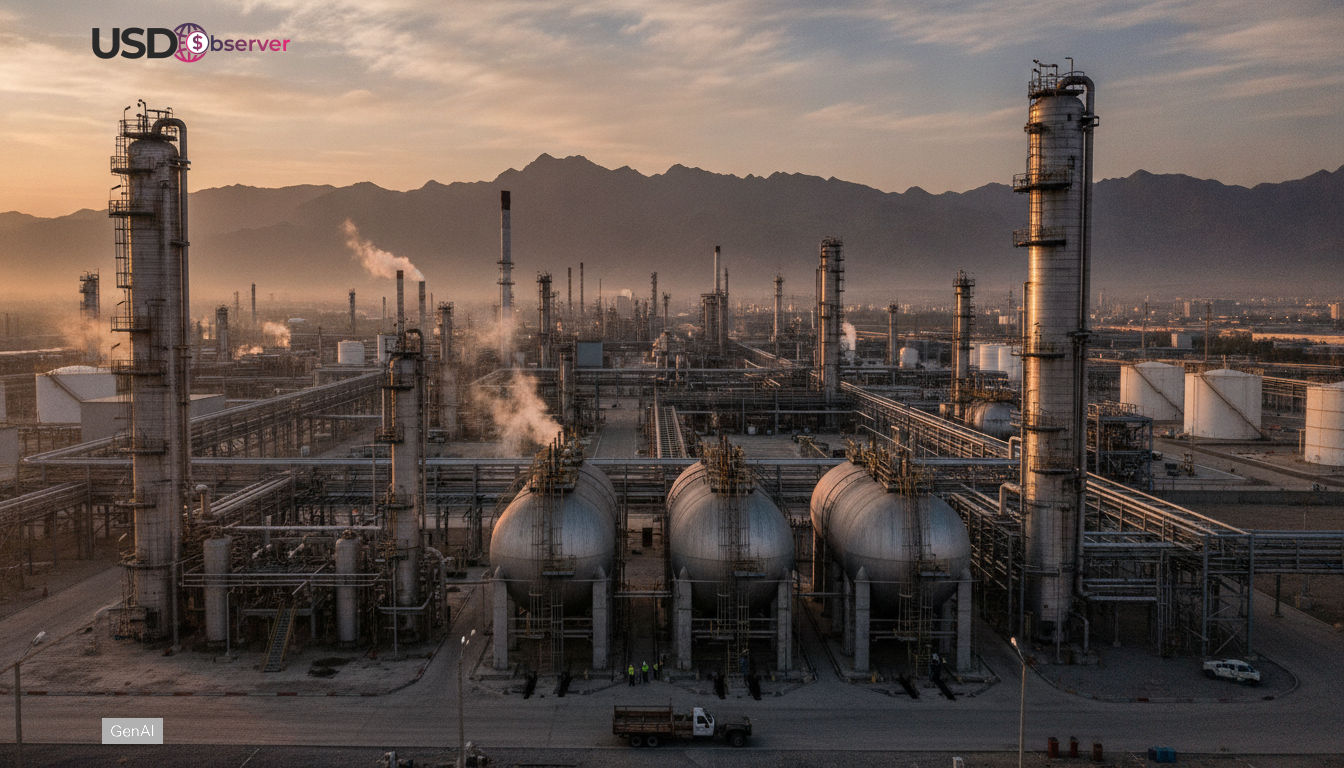
The escalation of military conflict across the region has increased fears of disruptions to global energy supply routes, particularly oil shipments from key producers. As concerns about supply constraints grow, energy prices have begun to climb, raising the prospect of renewed inflation pressures across major economies.
In response to this uncertain environment, institutional and retail investors are increasingly allocating capital to money market funds. These funds, which invest primarily in short term government securities and high quality debt instruments, are widely considered one of the safest places to park cash during periods of market volatility. Recent data from global fund flow trackers indicates that money market funds have recorded the largest inflows among major asset classes this week.
Market analysts note that the surge in demand reflects growing caution among investors who are closely monitoring developments in the Middle East conflict. The risk that higher oil prices could translate into broader inflation has triggered renewed debate over the future path of interest rates in the United States and other developed economies.
Higher energy costs often ripple through the global economy by raising transportation and manufacturing expenses. This dynamic can push consumer prices higher and complicate the efforts of central banks that have spent the past several years trying to bring inflation under control. If energy prices continue to rise, policymakers may face pressure to keep borrowing costs elevated for longer than markets previously anticipated.
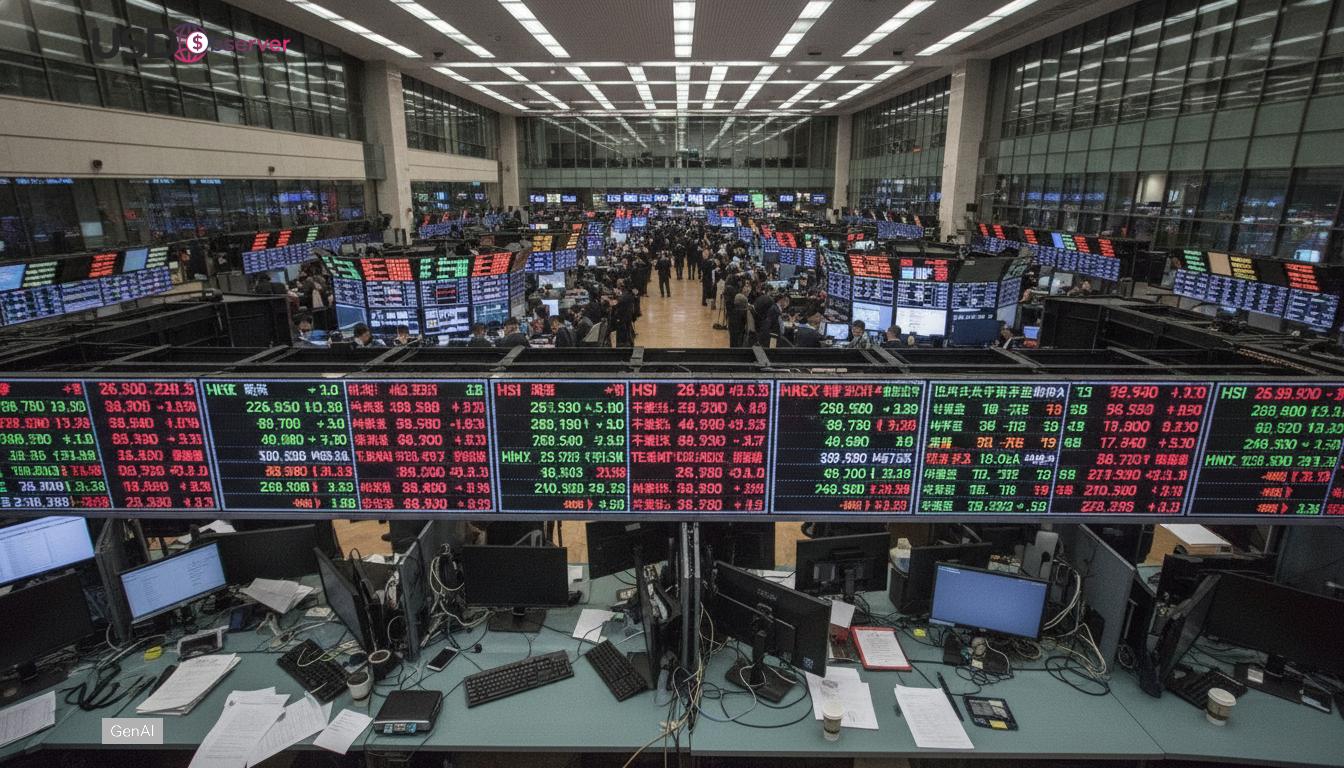
At the same time, equity markets have shown signs of instability as geopolitical risk premiums increase. Investors appear to be reducing exposure to riskier assets such as stocks and certain emerging market securities while reallocating capital toward more defensive instruments.
The shift toward money market funds also reflects the relatively attractive yields currently available on short term government debt. With policy rates still near multi year highs in several major economies, these funds are offering returns that rival or exceed those of many traditional low risk investments.
Currency markets are also reacting to the geopolitical developments. The U.S. dollar has strengthened in recent sessions as investors seek the perceived safety of dollar denominated assets during times of global uncertainty. A stronger dollar often accompanies capital flows into safe haven instruments such as Treasury bills and money market funds.
Financial strategists say that as long as geopolitical tensions remain elevated, defensive positioning is likely to dominate global portfolio allocation decisions. Investors are closely watching energy markets, central bank signals and developments in the Middle East conflict for clues about how long the current risk environment may persist.