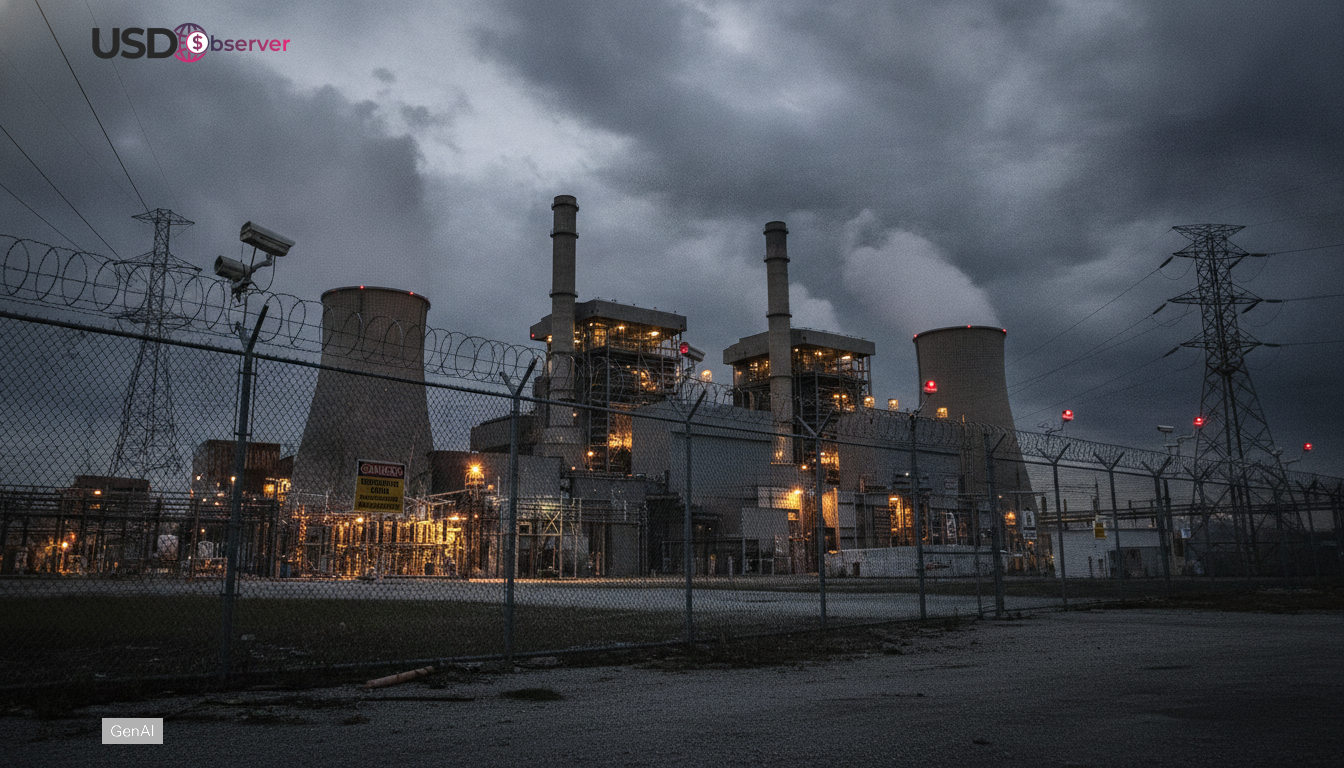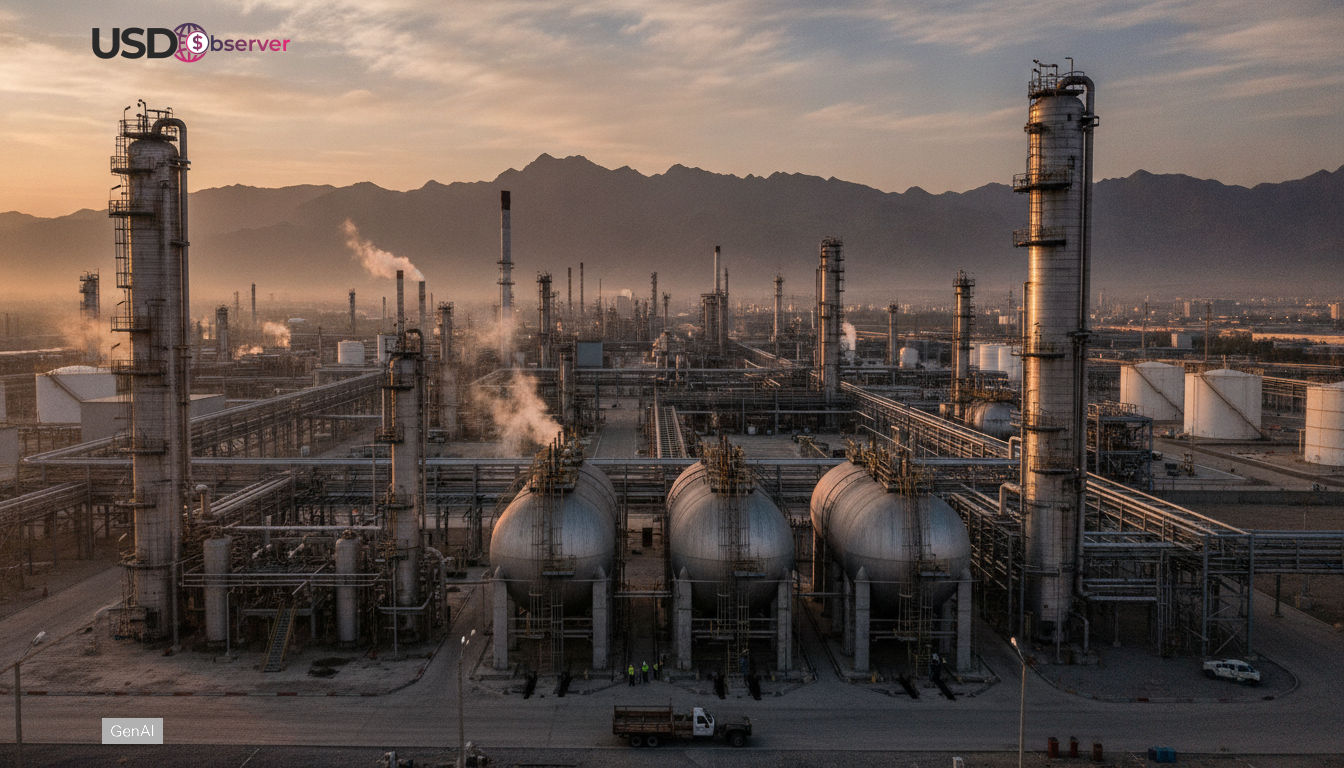
Artificial intelligence has become the dominant narrative in financial markets and macroeconomic forecasting, but recent data suggest the global economy’s momentum extends well beyond the technology sector.
Investors remain intensely focused on AI driven capital expenditure, particularly as Nvidia reports earnings and major technology firms outline aggressive spending plans. The largest US tech companies are expected to invest roughly 630 billion dollars this year, much of it tied to AI infrastructure and data center expansion. These outlays have reshaped equity market leadership and fueled record valuations in semiconductor stocks.
Yet a closer look at global industrial activity reveals a more diversified recovery. According to research from JPMorgan economists, worldwide industrial output grew by 2.4 percent last year, more than double the average annualized pace of about 1 percent recorded during the previous three years. While technology production nearly doubled to 9.1 percent growth, non tech manufacturing also returned to expansion, contributing significantly to the overall rebound.
Part of the acceleration in early 2025 reflected front loaded trade activity ahead of new US tariffs. A rush to ship goods before policy changes accounted for roughly 1.6 percentage points of global output growth in February and March. However, forecasts of a sharp slowdown after tariffs took effect did not fully materialize, suggesting underlying demand remained resilient.
Consumer spending played a crucial role in sustaining goods demand during the second half of the year. While capital expenditure linked to AI remains substantial, consumer driven demand represents at least twice the contribution to overall goods consumption compared with business investment. Analysts argue that renewed hiring and improving income growth could further support a more balanced expansion.
Global interest rates have also retreated from the peak tightening cycle of 2022 through 2024. Easier financial conditions have supported manufacturing activity and helped stabilize investment across multiple sectors. In addition to technology, industries tied to infrastructure, defense and energy security have experienced increased spending, reflecting broader geopolitical and fiscal shifts.
Government policy is another key factor. Infrastructure programs in Europe, fiscal initiatives in Japan and ongoing US tax measures are contributing to capital formation beyond AI specific projects. Meanwhile, geopolitical tensions and trade policy adjustments are prompting countries such as China to expand domestic production capabilities in strategic industries.
Equity markets have shown signs of rotation as well. While AI related stocks dominate headlines, broader indexes have remained relatively stable, with gains in industrial, energy and materials sectors offsetting volatility in certain technology names.
Concerns about potential job displacement from AI continue to circulate in academic and policy discussions. However, there is limited evidence so far of widespread labor market disruption directly tied to automation at a macro level.
The global economic landscape therefore appears more nuanced than a single theme centered on artificial intelligence. While AI investment is a powerful catalyst, industrial production, consumer demand, fiscal stimulus and structural policy changes are all contributing to the current phase of global growth.