Indian technology shares have endured their sharpest weekly decline in over ten months as investor anxiety surrounding artificial intelligence continues to deepen, wiping an estimated 50 billion dollars from the sector’s market value in February alone. The selloff highlights mounting concerns that rapid advances in generative AI tools could reshape the country’s multibillion dollar IT services industry.
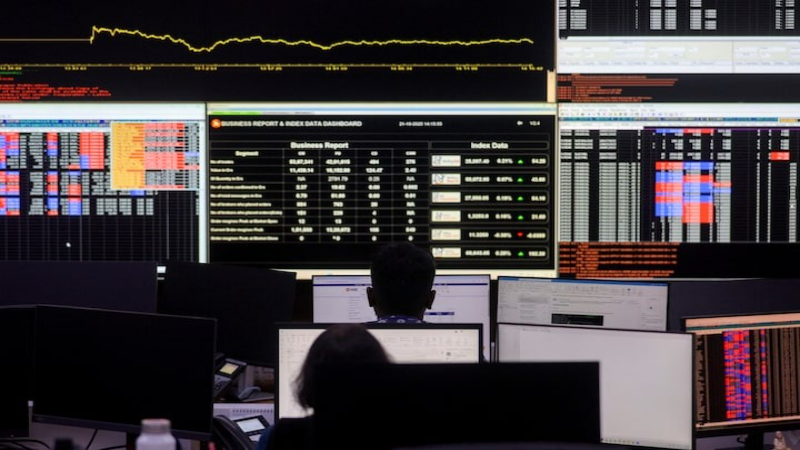
The Nifty IT index has fallen more than eight percent this week, marking its steepest drop since April 2025. On Friday, the index slid as much as five percent during intraday trading before trimming losses to close modestly lower. The downturn has overshadowed broader optimism linked to global trade developments and dragged India’s benchmark Nifty 50 into weekly losses.
At the heart of the market reaction is growing unease that AI driven automation may reduce demand for traditional outsourcing services, an area where Indian firms have built a dominant global presence. The launch of advanced AI tools by international technology developers last month intensified speculation that corporate clients could reallocate technology budgets toward automation platforms rather than long term service contracts.
India’s IT services sector, valued at roughly 283 billion dollars, plays a central role in the country’s export earnings and white collar employment. Companies such as Tata Consultancy Services, Infosys and HCLTech have long benefited from global demand for software development, consulting and back office support. However, investors are now questioning how quickly generative AI systems can perform coding, documentation, analytics and customer support functions that traditionally required large workforces.
Tata Consultancy Services shares fell more than two percent in the latest session, while Infosys and HCLTech also recorded notable declines. The sustained pressure reflects broader uncertainty over revenue visibility and future growth targets. Analysts have pointed to concerns that clients may delay discretionary spending as they evaluate the cost savings and efficiency gains promised by AI adoption.
Market participants say the challenge for Indian IT firms lies not only in adapting their service offerings but also in clearly communicating their strategy. Portfolio managers note that while artificial intelligence presents disruption risks, it also offers potential opportunities for companies that successfully integrate AI into consulting, cloud services and enterprise transformation projects. The current selloff suggests investors are not yet convinced that the industry has fully articulated how it plans to convert AI into a growth driver.
Currency markets are also monitoring developments closely. The technology sector is a major source of dollar inflows for India, and prolonged weakness could influence capital flows and the rupee’s performance against the U.S. dollar. Additionally, shifts in global technology spending may affect broader emerging market sentiment as investors reassess exposure to export dependent economies.
The volatility in Indian IT stocks mirrors a wider global reevaluation of sectors perceived as vulnerable to automation. As AI capabilities expand and adoption accelerates across industries, equity markets are increasingly pricing in both the promise and the disruption associated with technological transformation.