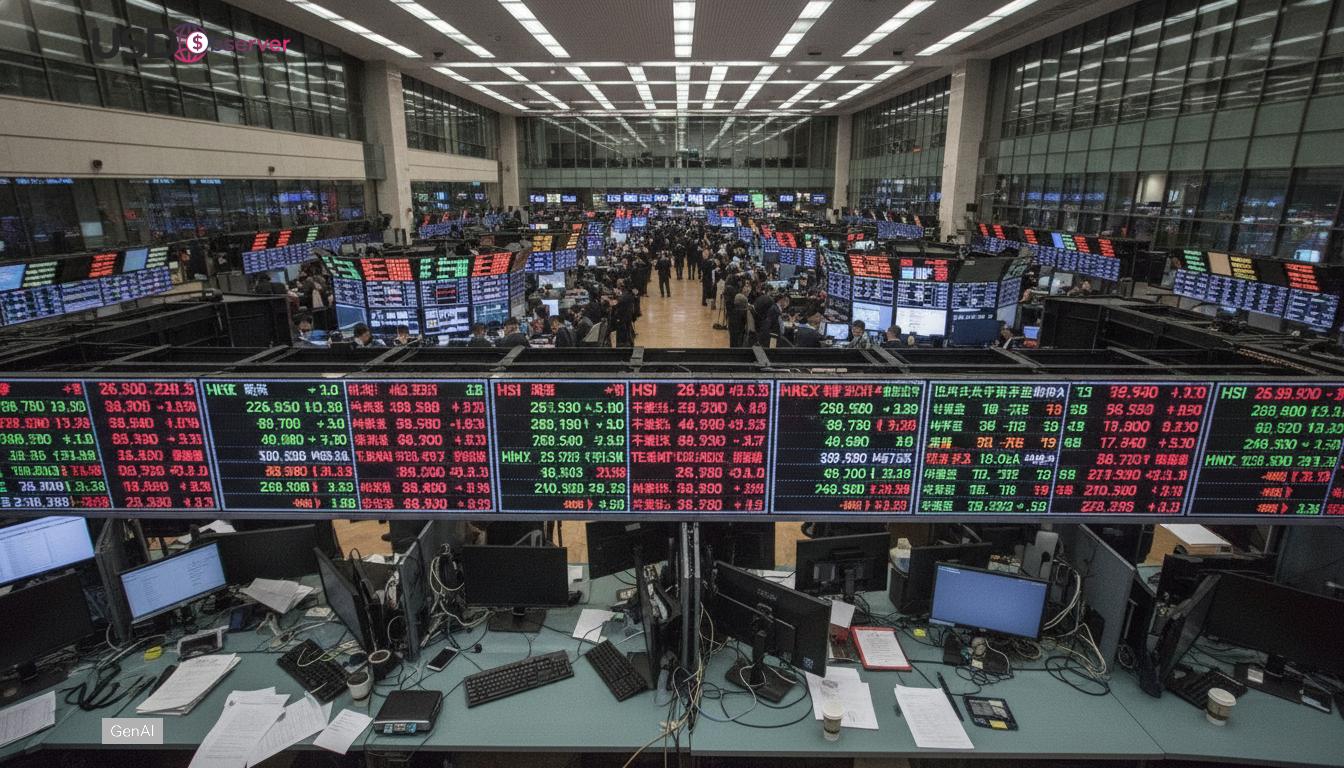
U.S. equity markets head into the new week facing a delicate balance between sector rotation and a wave of economic data that could redefine expectations for growth and interest rates. A sharp reassessment of technology stocks tied to artificial intelligence has unsettled investors, even as broader benchmarks show resilience and signs of diversification beneath the surface.
The recent selloff in software shares has become a focal point for market anxiety. Investors are increasingly questioning how artificial intelligence will reshape business models, margins, and competitive dynamics across the industry. What was once a rising tide lifting most technology names has evolved into a more selective environment, with capital flowing toward perceived winners while laggards face heavy pressure. This shift has weighed on overall sentiment, given the outsized influence of technology within major indexes.
Despite that strain, U.S. stocks ended the week on firmer footing. The Dow Jones Industrial Average climbed to a record high, supported by strong gains in semiconductor companies that remain central to artificial intelligence infrastructure. The rebound offered reassurance that demand for core hardware remains robust, even as concerns linger over parts of the software space.
Beneath headline index moves, investors have taken encouragement from a rotation into sectors that underperformed earlier in the market cycle. Energy, industrials, and consumer staples have delivered solid gains this year, offsetting weakness in technology. While this internal shift has helped cushion the broader market, analysts caution that sustained pressure on a dominant sector could eventually drag on overall performance, especially with technology still accounting for a large share of the S and P 500.
Software has emerged as the epicenter of stress. Recent earnings reports have raised doubts about growth durability as artificial intelligence accelerates change faster than some firms can adapt. The debate is no longer about whether artificial intelligence creates value, but about who captures it. Upcoming results from several technology companies are expected to add clarity, though volatility is likely to remain elevated.
Attention will now turn to a packed economic calendar. Markets will digest fresh readings on employment and inflation, both seen as critical to shaping the policy outlook. Investors are watching closely for signs that labor market cooling is either stabilizing or deepening. Inflation data will be equally important, offering clues on whether price pressures are easing enough to justify further monetary easing.
The Federal Reserve has signaled a cautious approach, emphasizinga balance between inflation risks and employment conditions. Current market pricing suggests expectations for rate cuts later in the year remain broadly intact, though incoming data could shift that timeline. A weaker labor report or a sharper slowdown in inflation could reignite hopes for earlier action, while resilient data may reinforce patience.
As earnings season winds down and macro data takes center stage, investors appear focused on risk management rather than aggressive positioning. With technology valuations under scrutiny and economic signals in flux, the coming week is likely to test market conviction and determine whether recent rotation can sustain broader stability.