Investor anxiety has returned to global markets as a series of seemingly disconnected developments converge to create an uneasy financial backdrop. From volatile asset prices to shifting policy signals, the mood among investors has turned cautious after months of optimism driven by technology and artificial intelligence.
One major source of concern is the sharp divergence across asset classes. Gold prices have surged as investors seek safety, a move that often signals stress beneath the surface of markets. At the same time, technology and software stocks have come under heavy pressure, particularly those exposed to artificial intelligence. Once viewed as guaranteed growth engines, many AI related companies are now facing questions about profitability, competition, and whether expectations have run too far ahead of reality.
Cryptocurrencies have added another layer of uncertainty. Bitcoin has experienced sharp swings, reflecting broader discomfort with risk assets. After months of strong performance, digital assets have struggled to hold gains as investors reassess leverage, liquidity, and their appetite for volatility. The pullback has reinforced concerns that speculative excess built up during earlier rallies is now unwinding.
Inflation pressures are also resurfacing as a central worry. Recent economic data has challenged the idea that price growth is fully under control, complicating expectations for interest rate cuts. For investors, stubborn inflation raises the risk that borrowing costs remain higher for longer, potentially weighing on corporate earnings, consumer spending, and equity valuations. Bond markets have responded with renewed volatility, further clouding the outlook.
Confidence among consumers is weakening as well. Surveys show households growing more cautious about spending, savings, and job security. That shift matters for markets because consumer activity remains a key driver of economic growth, particularly in the United States. When confidence erodes, it can translate into slower demand, reduced corporate revenues, and softer earnings forecasts.
Policy uncertainty has added to the nervousness. In Washington, renewed focus on affordability and household finances has brought fresh proposals aimed at boosting savings and easing access to housing. While some initiatives are designed to support long term financial stability, investors are still weighing their economic impact and political viability. Markets tend to dislike uncertainty, especially when policy changes could alter tax structures, spending patterns, or regulatory frameworks.
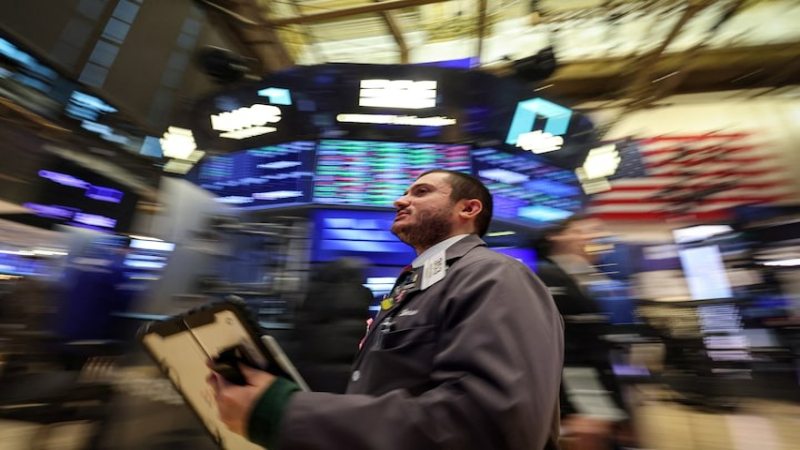
These pressures have played out visibly on trading floors such as the New York Stock Exchange, where sharp daily swings have replaced the steady upward momentum seen earlier in the year. Investors are increasingly selective, rotating between sectors and reducing exposure to areas perceived as overvalued or vulnerable to disruption.
Taken together, these factors explain why nerves are fraying. None of the issues alone suggests a systemic crisis, but their combined effect has shifted sentiment from confidence to caution. Markets are adjusting to a world where growth remains possible but less predictable, and where risk management is once again taking priority over chasing returns.