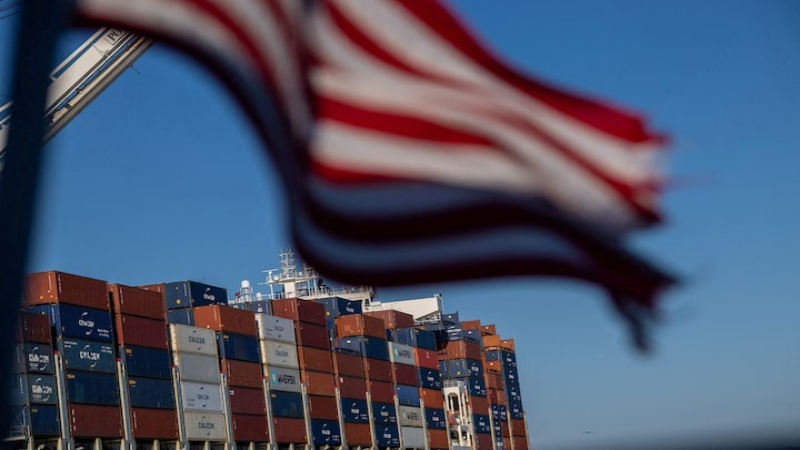
Swiss exports to the United States increased in 2025 despite elevated tariff barriers, underscoring the resilience of trade flows between the two economies amid policy uncertainty. Official data showed shipments to the U.S. rose 3.9% over the year, outperforming Switzerland’s overall export growth even as exporters navigated some of the steepest U.S. import duties applied globally. The increase came after Washington imposed tariffs significantly higher than initially threatened, citing concerns over the bilateral trade imbalance. Although the measures raised costs for Swiss firms, demand for key goods remained strong. Companies responded by adjusting logistics and accelerating shipments ahead of tariff implementation, helping cushion the impact. The outcome highlights how trade volumes can remain robust even under restrictive conditions when underlying demand and supply relationships are deeply entrenched.
The tariff environment shifted multiple times during the year, creating uncertainty for exporters and investors. Early threats of punitive duties were followed by the imposition of higher rates before a later reduction as part of a negotiated agreement. By late 2025, Swiss goods were subject to a tariff rate aligned with that faced by European Union exporters, easing competitive pressure. Analysts note that the earlier spike in shipments reflected a strategy of front-loading exports to avoid higher costs later in the year. This tactic supported headline export figures while masking some of the longer-term effects tariffs may have on trade patterns. The episode illustrates how trade policy volatility can distort timing without necessarily reversing overall trade flows, particularly in high-value sectors.
Excluding precious metals, artworks, and similar high-volatility categories, Swiss exports to the U.S. reached a substantial level, reinforcing the United States’ role as a key destination for Swiss manufacturing output. Imports from the U.S., however, declined notably, widening the trade gap that initially prompted tariff action. Switzerland’s broader export performance also reached a record high, supported largely by chemicals and pharmaceutical products, which accounted for more than half of total shipments. These industries tend to be less price-sensitive and benefit from long-term supply contracts, helping explain their resilience in the face of tariffs. Economists point out that this sectoral composition provided Switzerland with a buffer that many other export-oriented economies lack when confronted with trade restrictions.
Looking ahead, trade specialists caution that sustained export growth under tariffs may not fully reflect underlying strain on margins and investment decisions. While negotiated tariff reductions have reduced immediate pressure, lingering uncertainty over U.S. trade policy could influence future supply chain planning. Companies may reassess production locations, inventory strategies, and market diversification to mitigate risk. For policymakers, the data highlights the limits of tariffs as a tool for reshaping trade balances when structural demand factors remain strong. For now, Switzerland’s experience suggests that while tariffs can alter behavior and timing, they do not automatically suppress trade volumes, especially in economies dominated by high-value, specialized exports.