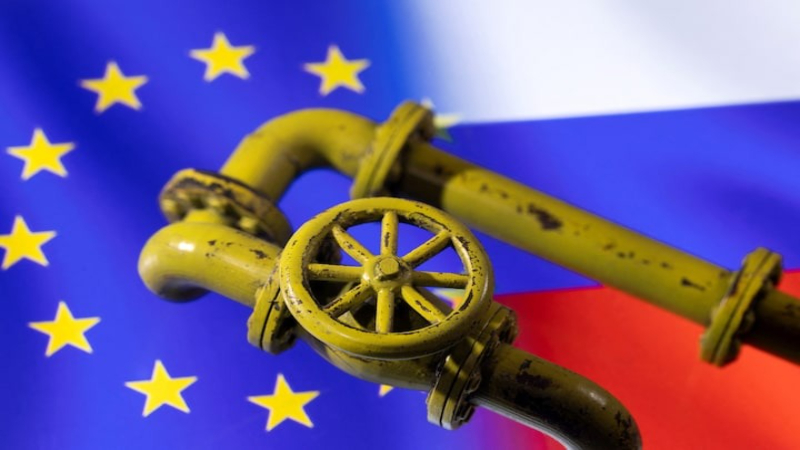
The European Union is preparing to exempt natural gas imports from major suppliers, including the United States and Qatar, from additional verification checks under its forthcoming ban on Russian gas, according to a draft document circulated by the European Commission. The move is intended to streamline enforcement of the bloc’s plan to phase out Russian gas imports by late 2027 while minimizing disruption to existing supply chains. Under the proposed framework, gas shipments from non-Russian sources would normally require prior authorization, obliging companies to provide proof of origin several days before arrival. However, exemptions would apply to suppliers deemed low risk for Russian gas re-entry into European markets.
The draft outlines a list of countries eligible for exemption based on criteria including domestic bans on Russian gas and the absence of infrastructure that could allow Russian supplies to enter export streams. Alongside the United States and Qatar, the list includes Norway, Britain, Algeria, and Nigeria, all of which are established suppliers to the European market. The European Commission has not formally commented on the draft, which remains subject to revision before publication. The exemption reflects a pragmatic approach by EU policymakers seeking to balance sanctions enforcement with energy security as the bloc continues to restructure supply following Russia’s invasion of Ukraine.
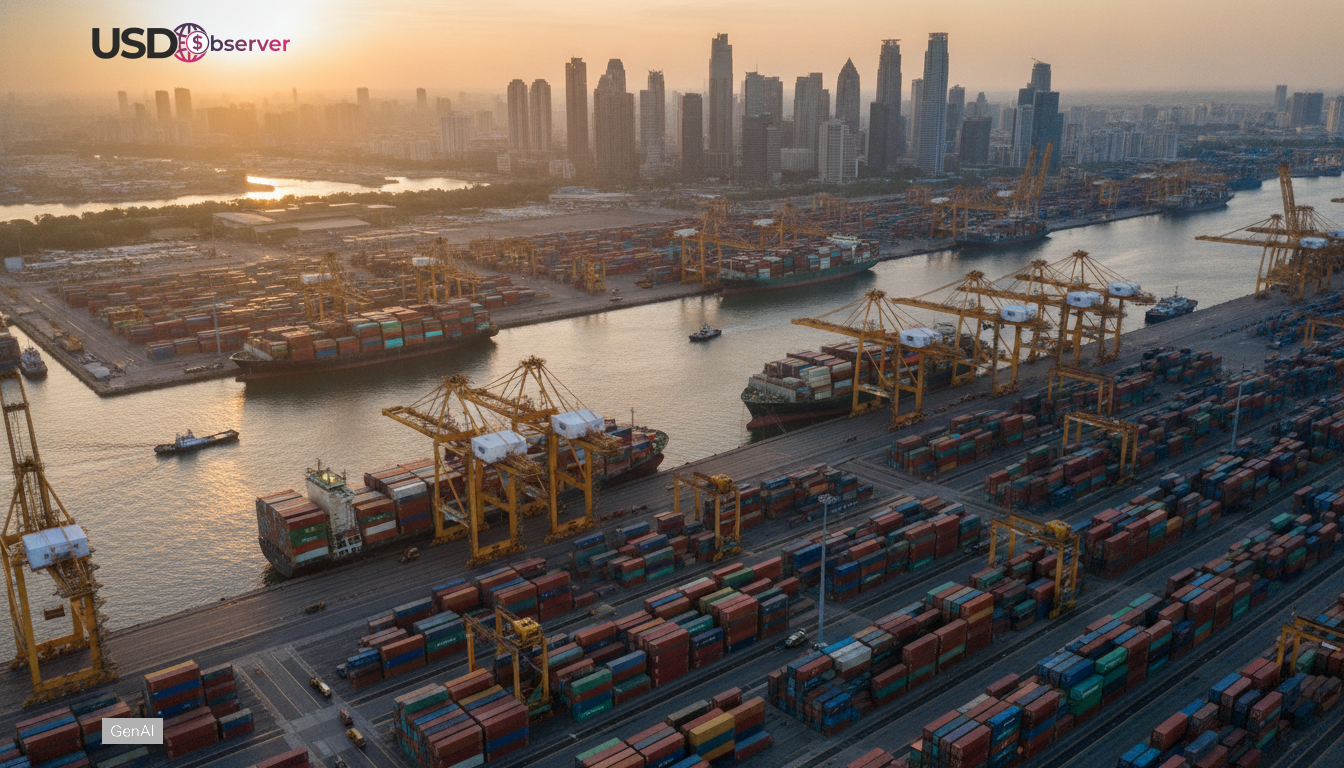
EU member states formally approved the legally binding gas phase-out plan earlier this week, clearing the way for the legislation to enter into force. The policy aims to eliminate remaining reliance on Russian pipeline gas and liquefied natural gas by the end of 2027, marking a significant shift from pre-war energy flows. Data show that Norway emerged as the EU’s largest gas supplier last year, followed closely by the United States, while Russian volumes have fallen sharply from pre-2022 levels. The changing supply mix has increased Europe’s dependence on LNG imports, particularly from North America and the Middle East.
The exemption framework is expected to ease administrative burdens for major suppliers while allowing customs authorities to focus scrutiny on higher-risk shipments. For global gas markets, the policy reinforces Europe’s long-term pivot toward alternative suppliers and away from Russian energy, with implications for trade flows, pricing dynamics, and geopolitical alignment. As the EU finalizes the details of enforcement, energy exporters and traders are closely watching how the rules are implemented and whether further adjustments are made to safeguard supply stability during the transition.