Guyana’s economy is projected to remain one of the fastest-growing in the world in 2026, even as the pace of expansion cools slightly from recent record levels. Government forecasts point to growth of just over 16 percent this year, down from nearly 20 percent in 2025, reflecting moderation in oil sector output after several years of rapid acceleration. Despite the slowdown, the energy industry continues to dominate economic activity, underpinning public finances and broader development plans. The outlook highlights how oil production remains the central pillar of growth, even as authorities attempt to broaden the economic base and manage the challenges associated with rapid expansion.
Oil output is expected to rise further in 2026, though at a more measured pace than in previous years. Production from offshore fields is projected to average hundreds of thousands of barrels per day, supported by the launch of additional projects later in the year. Export volumes are also set to increase, lifting government revenues and strengthening the country’s external position. Authorities expect oil income to continue funding large-scale public investment, particularly in housing and transport infrastructure, as part of efforts to convert resource wealth into long-term economic gains.
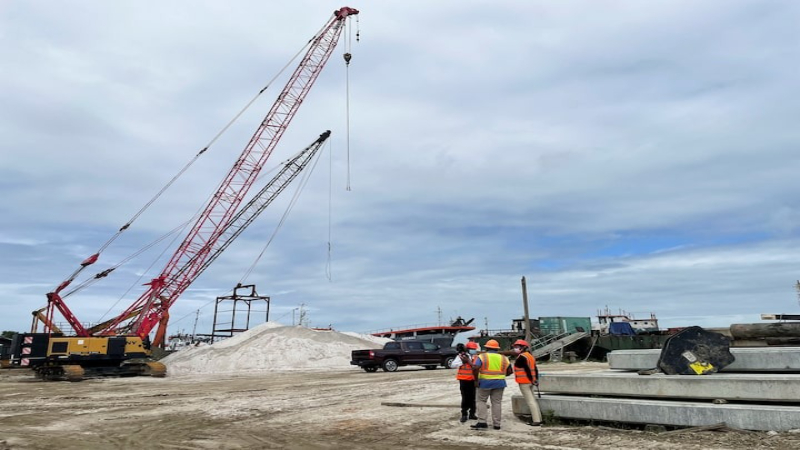
Beyond energy, non-oil sectors are expected to maintain strong momentum, contributing meaningfully to overall growth. Agriculture, mining, construction, and services have all expanded rapidly, reflecting spillover effects from the oil boom and rising domestic demand. Policymakers have emphasized that sustained growth outside the energy sector is critical to reducing long-term vulnerability to commodity cycles. The continuation of double-digit expansion across the wider economy underscores the scale of transformation underway, even as capacity constraints and inflationary pressures pose ongoing challenges.
Guyana’s emergence as a major oil producer has reshaped its economic profile within the region, turning the country into a significant crude exporter in a short period of time. While growth rates are expected to gradually normalize, the scale of projected output suggests oil will remain the dominant driver of expansion for years to come. Managing this transition remains a central policy challenge, as authorities seek to balance fiscal discipline, infrastructure development, and economic diversification. The coming year is likely to test how effectively the country can sustain growth while avoiding the risks often associated with rapid resource-driven development.