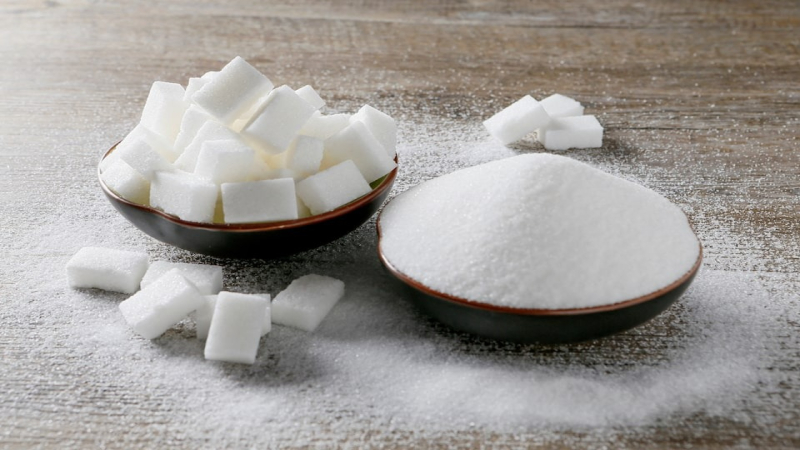
The European Union is preparing to suspend a long standing scheme that allows duty free sugar imports, a move aimed at easing pressure on domestic producers struggling with falling prices and rising competition. The proposal comes as European sugar markets face oversupply and weakened demand, pushing prices to multi year lows. Policymakers argue that limiting imports could help stabilize the sector and restore balance after a prolonged period of market stress. The plan reflects growing concern over the viability of sugar beet producers, who say imported sugar has intensified competition at a time when production costs remain elevated across the bloc.
The inward processing relief scheme permits companies to import sugar without tariffs provided it is refined or processed and then re exported outside the European Union. Supporters of the proposed suspension argue that the mechanism has contributed to a supply glut, undermining domestic prices and squeezing margins for local farmers. Sugar beet producers say the measure would send a clear signal that policymakers are prepared to intervene when market distortions threaten the sustainability of European agriculture. Industry groups backing the move see it as a temporary step to support producers while broader market conditions adjust.
The proposal has drawn opposition from manufacturers and sugar users who rely on imported raw materials to remain competitive in global markets. Refiners and food producers warn that suspending the scheme could raise production costs and reduce their ability to compete internationally. They argue that recent price declines stem more from overproduction within Europe than from imported sugar, and caution that restricting access to cheaper inputs could lead to job losses and reduced exports. For these groups, the scheme is seen as an essential tool for maintaining efficiency and preserving supply chains.
Trade data highlights the scale of the issue, with sugar imports under the scheme rising sharply in the most recent marketing year. Much of the imported volume originated from major producing countries outside the bloc, intensifying debate over fair competition and market access. The proposal also comes amid broader concerns about future trade agreements that could expand sugar quotas further. As discussions continue, the outcome is expected to have significant implications for farmers, manufacturers, and trade flows across the European sugar market.