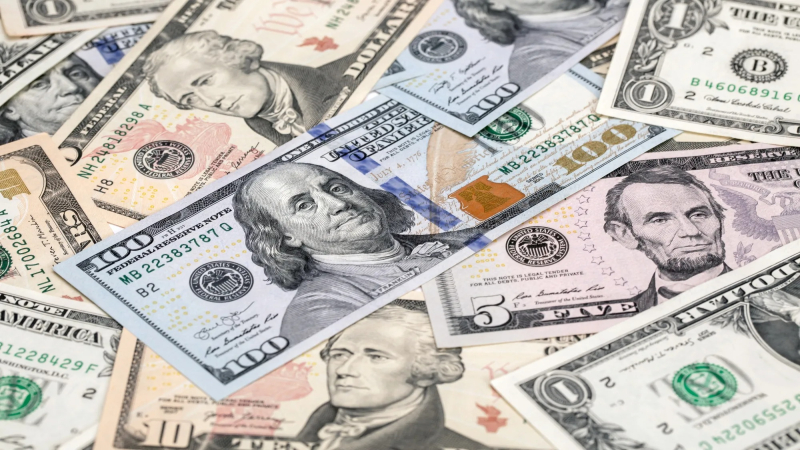
The US dollar is gaining strength at a time when traditional drivers suggest it should be stable rather than rising. Interest rates are no longer climbing, inflation pressures have moderated, and expectations of aggressive monetary tightening have faded. Yet the dollar continues to firm against a wide range of global currencies, prompting a reassessment of what truly drives its value.
This disconnect highlights a shift in how dollar strength should be understood. The current cycle is less about short-term policy moves and more about structural demand for dollars within the global financial system. FX markets are increasingly responding to balance sheet realities, capital preservation, and settlement needs rather than headline central bank decisions.
For investors and analysts, this distinction matters. When dollar strength is rooted in structure rather than rates, it tends to persist longer and unwind more slowly, reshaping currency strategies across developed and emerging markets.
Structural dollar demand is outweighing monetary policy
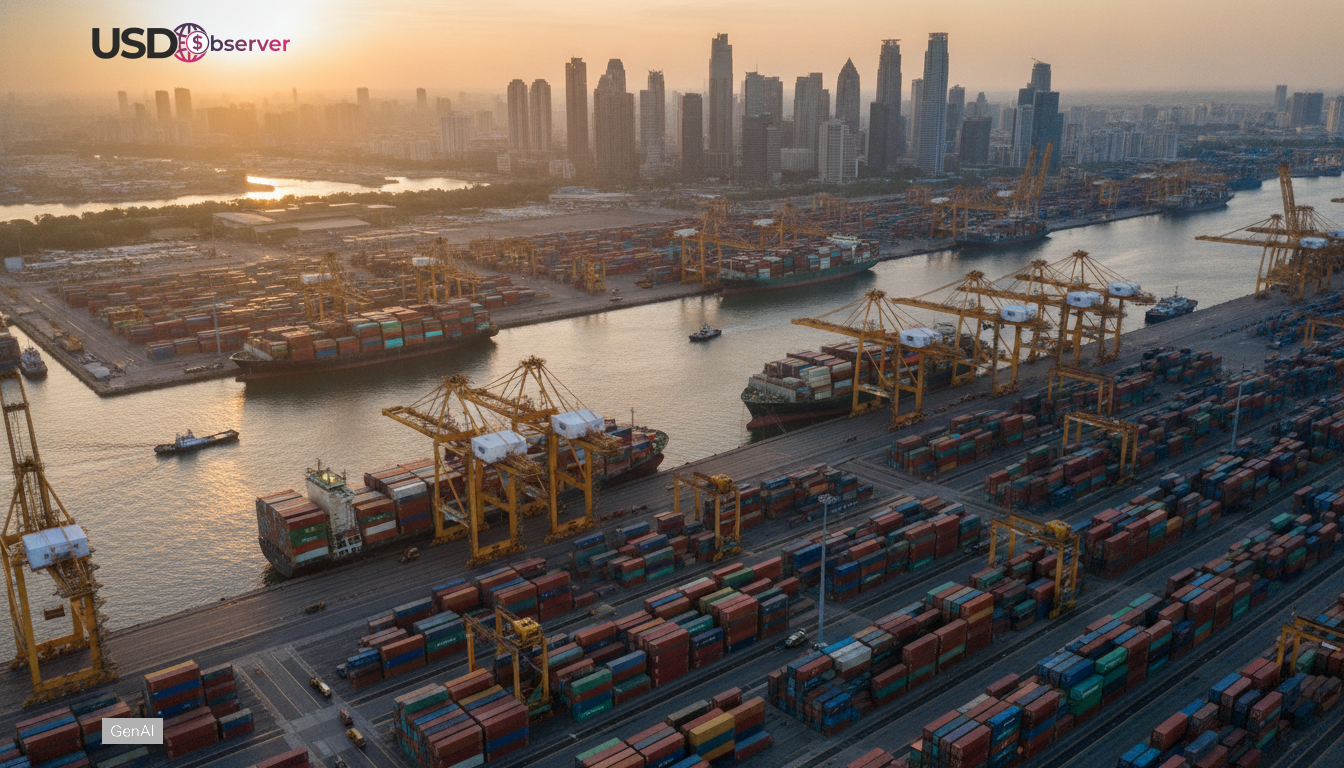
The most important factor behind the dollar’s resilience is the scale of structural demand embedded in the global economy. The dollar remains the dominant currency for trade invoicing, commodity pricing, debt issuance, and cross-border settlement. These uses create ongoing demand that is largely independent of short-term interest rate differentials.
Even as rate expectations stabilize, global borrowers still need dollars to service existing obligations. Sovereigns, corporations, and financial institutions hold trillions of dollars in dollar-denominated liabilities. This creates a baseline level of demand that does not disappear simply because policy rates pause.
In periods of slower global growth, this structural demand often intensifies. As revenues soften and financing conditions tighten, the need to secure reliable dollar access increases, supporting the currency even without fresh policy tightening from the Federal Reserve.
Safe asset demand is reinforcing dollar strength
Another key driver is the dollar’s role as the foundation of global safe assets. US Treasuries remain the primary destination for capital seeking liquidity, scale, and legal certainty. Demand for these assets does not rely on rising yields alone, but on their function within portfolios and financial infrastructure.
When uncertainty rises, global investors rebalance toward assets that can absorb large flows without disrupting market stability. This process naturally channels capital into dollar-based instruments, lifting the currency through capital account flows rather than interest rate arbitrage.
This dynamic helps explain why the dollar can strengthen during periods of modest US economic data. The currency benefits from its central position in global risk management, not just from domestic growth outperformance.
Global liquidity conditions matter more than rate signals
Dollar strength is also being shaped by global liquidity conditions rather than domestic policy changes. As balance sheets across the financial system become more constrained, access to dollars becomes a competitive advantage. Institutions prefer to hold and transact in dollars when liquidity is less abundant.
This environment favors currencies with deep funding markets and penalizes those reliant on external financing. FX markets are adjusting accordingly, with the dollar gaining against currencies tied to fragile capital inflows or elevated external debt.
Importantly, this process unfolds quietly. Liquidity tightening does not always show up in headline indicators, but it influences currency pricing through funding costs, hedging behavior, and capital allocation decisions.
Why rate cuts may not weaken the dollar quickly
Many market participants assume that eventual rate cuts will automatically weaken the dollar. History suggests this relationship is not always immediate or linear. When rate cuts occur against a backdrop of global fragility, the dollar can remain firm or even strengthen.
If easing reflects concerns about global growth rather than domestic excess, dollar demand may persist. Investors prioritize capital preservation and liquidity, both of which favor the dollar’s ecosystem.
As a result, FX markets may continue to price the dollar on relative stability rather than yield advantage. This challenges conventional models that focus narrowly on interest rate spreads.
Conclusion
The dollar is strengthening not because rates are rising, but because its structural role in the global system remains unmatched. Demand driven by trade settlement, debt servicing, safe assets, and liquidity preference is outweighing traditional monetary policy narratives. Until these underlying forces shift, dollar resilience is likely to persist even in a world without new rate hikes.