Inflation may no longer dominate headlines the way it did in previous years, but it has not fully exited the macro equation. As markets enter 2026, price pressures are proving more persistent than many expected, even as growth slows and financial conditions stabilize. The reason lies less in demand surges and more in policy design.
Tariffs and tax policy are increasingly shaping the inflation outlook. Unlike temporary shocks, these tools operate through structural channels that influence costs, incentives, and behavior over time. For investors and policymakers alike, understanding this new policy mix is essential for pricing risk in the year ahead.
How Tariffs Reinforce Inflation Even As Demand Cools
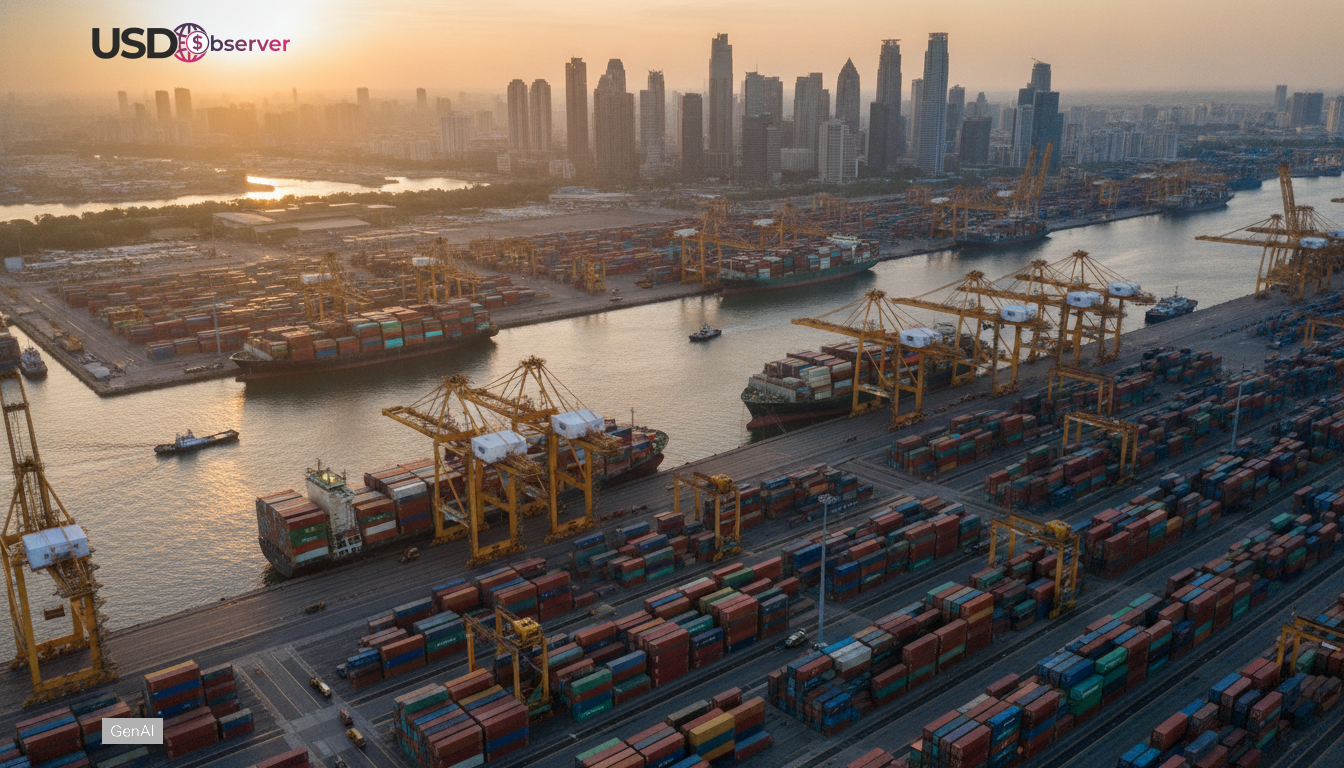
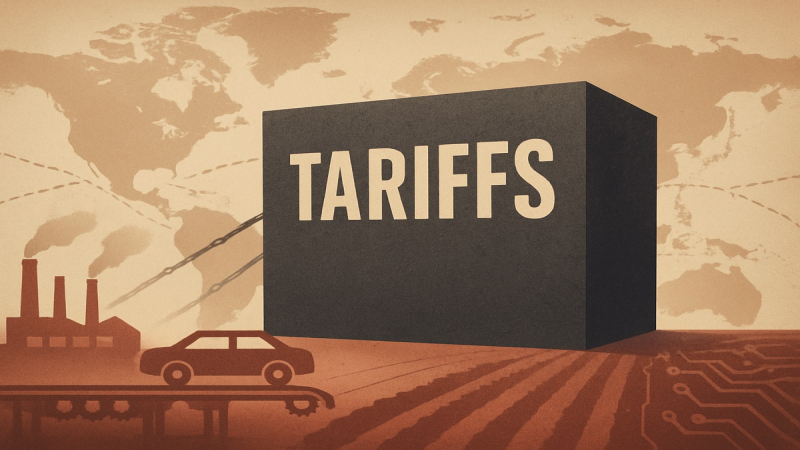
Tariffs function as a tax on imports, but their inflationary impact extends beyond the initial price increase. By raising input costs for businesses, tariffs ripple through supply chains and feed into final consumer prices. Even when demand moderates, these higher costs are difficult to unwind.
In 2026, tariffs are no longer an emergency response but a strategic instrument. They are used to protect domestic industries, manage geopolitical exposure, and influence trade balances. This persistence makes them structurally inflationary rather than cyclical.
The key issue for markets is duration. Temporary inflation can be faded. Structural inflation tied to trade policy must be priced into long-term expectations. This distinction explains why inflation measures remain sticky despite softer growth indicators.
Tax Policy And Its Influence On Price Dynamics
Tax policy plays a quieter but equally important role. Changes in corporate taxes, consumption taxes, or incentives can alter pricing behavior across the economy. When firms face higher tax burdens, they often pass a portion of the cost onto consumers, especially in sectors with limited competition.
At the same time, tax cuts designed to stimulate growth can have mixed effects. While they may support demand, they can also widen fiscal deficits and increase borrowing needs. This can put upward pressure on interest rates, indirectly sustaining inflation through financing costs.
In combination, tariffs and tax measures create a complex feedback loop. Policymakers may aim to support domestic activity, but the side effect is an inflation environment that cools slowly rather than decisively.
Why Inflation Persistence Changes Market Pricing
Persistent inflation alters how markets price assets across the curve. Expectations for rapid disinflation tend to fade, replaced by assumptions of gradual adjustment. This has implications for bonds, currencies, and equities.
For fixed income markets, inflation persistence limits the extent to which yields can fall. Even if policy rates are eventually lowered, long-term inflation expectations act as a floor. This keeps real yields elevated and influences capital allocation globally.
Currency markets also respond to this mix. Economies with structurally higher inflation may see their currencies pressured unless compensated by higher yields. Conversely, countries able to manage inflation without aggressive fiscal expansion may attract more stable capital flows.
Fiscal Constraints And Policy Trade Offs
Governments face a narrowing set of options. Reducing tariffs can ease inflation but may conflict with industrial policy goals. Raising taxes to control deficits can dampen growth, while cutting taxes risks fueling price pressures or debt concerns.
These trade offs make coordinated policy more difficult. Monetary authorities may seek to ease cautiously, but fiscal settings can counteract those efforts. This divergence increases uncertainty and keeps markets sensitive to policy signals.
In this environment, inflation becomes less about overheating and more about constraint. It reflects a world where efficiency is sacrificed for resilience and where policy choices embed higher costs into the system.
What Markets Must Watch In 2026
For 2026, the inflation question is not whether prices will surge again, but whether they will settle comfortably back to pre shock norms. Tariffs and tax policies suggest that normalization will be slow.
Markets must therefore focus on policy intent rather than short-term data. Announcements around trade measures, fiscal plans, and budget frameworks may matter more than monthly inflation prints. These signals help determine whether inflation persistence is being addressed or reinforced.
This shift requires patience and a longer time horizon. Volatility may arise from misalignment between expectations and policy reality, but the underlying trend is shaped by choices that unfold over years, not quarters.
Conclusion
Tariffs and taxes have become central drivers of inflation persistence in 2026. Even as growth cools, these policies embed higher costs into the economy and slow the return to low inflation norms. For markets, pricing the future now means understanding policy structure, not just economic cycles. Inflation may be quieter, but it remains firmly part of the landscape.