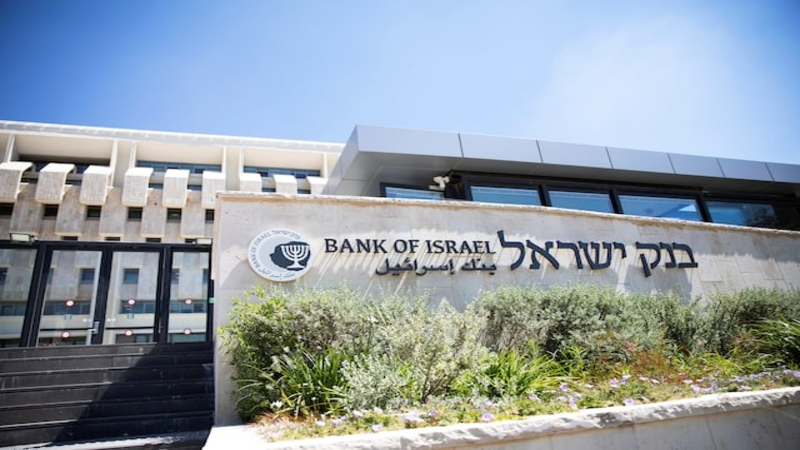
The Bank of Israel’s first rate cut in nearly two years added a fresh macro signal for global currency markets already recalibrating around shifting Federal Reserve expectations. The decision to lower the benchmark rate to 4.25 percent followed a period of steady inflation moderation after the Gaza ceasefire and brought Israel into alignment with a growing number of central banks beginning to ease policy. For dollar watchers, the move highlights how diverging global rate paths could influence bilateral flows, especially as the shekel has strengthened against the dollar in recent weeks. Analysts noted that Israel’s inflation rate holding at 2.5 percent created space for a controlled policy adjustment, further narrowing the rate gap between the two economies at a moment when markets are anticipating a potential U.S. cut next month. The central bank’s message emphasized caution, but the shift reinforces expectations that a broader global easing cycle is taking shape and could shape demand for dollar assets as relative yields evolve.
Economic data from Israel revealed a complex backdrop in which the central bank is attempting to balance geopolitical uncertainty with signs of improving economic momentum. A sharp rebound in third quarter output, with annualized growth exceeding 12 percent, shows activity accelerating even as it remains below long term trend levels. Policymakers highlighted continued tightness in the labor market and rising wage pressures, factors that historically support stronger local currency performance against the dollar, particularly when accompanied by easing geopolitical tensions. The shekel has already appreciated against the dollar, euro, and other major trading partners since late September, and the rate cut is seen as a tool to temper rapid currency gains that could weaken export competitiveness. Economists argued that the policy move was both expected and necessary to reduce appreciation risk, especially as investors react quickly to softening inflation prints and resilient domestic indicators.
The broader market context increases the significance of this rate adjustment for USD cross dynamics. As traders assess the likelihood of a December U.S. rate cut, policy moves from key regional economies are becoming influential in shaping short term flows. Israel’s cut underscores that global financial conditions are loosening gradually, a trend that often introduces mild downward pressure on the dollar as interest rate differentials compress. Investor commentary within Israel framed the decision as a strategic step to stabilize markets and reinforce momentum toward economic recovery following the ceasefire, while acknowledging that inflation may firm slightly before stabilizing again within target. With geopolitical tensions temporarily eased and domestic indicators showing increased resilience, the central bank appears more comfortable initiating early policy normalization. For global FX markets, the move adds another signal that yield advantages that previously supported the dollar are slowly eroding, which will be closely monitored as the U.S. approaches its December policy meeting.