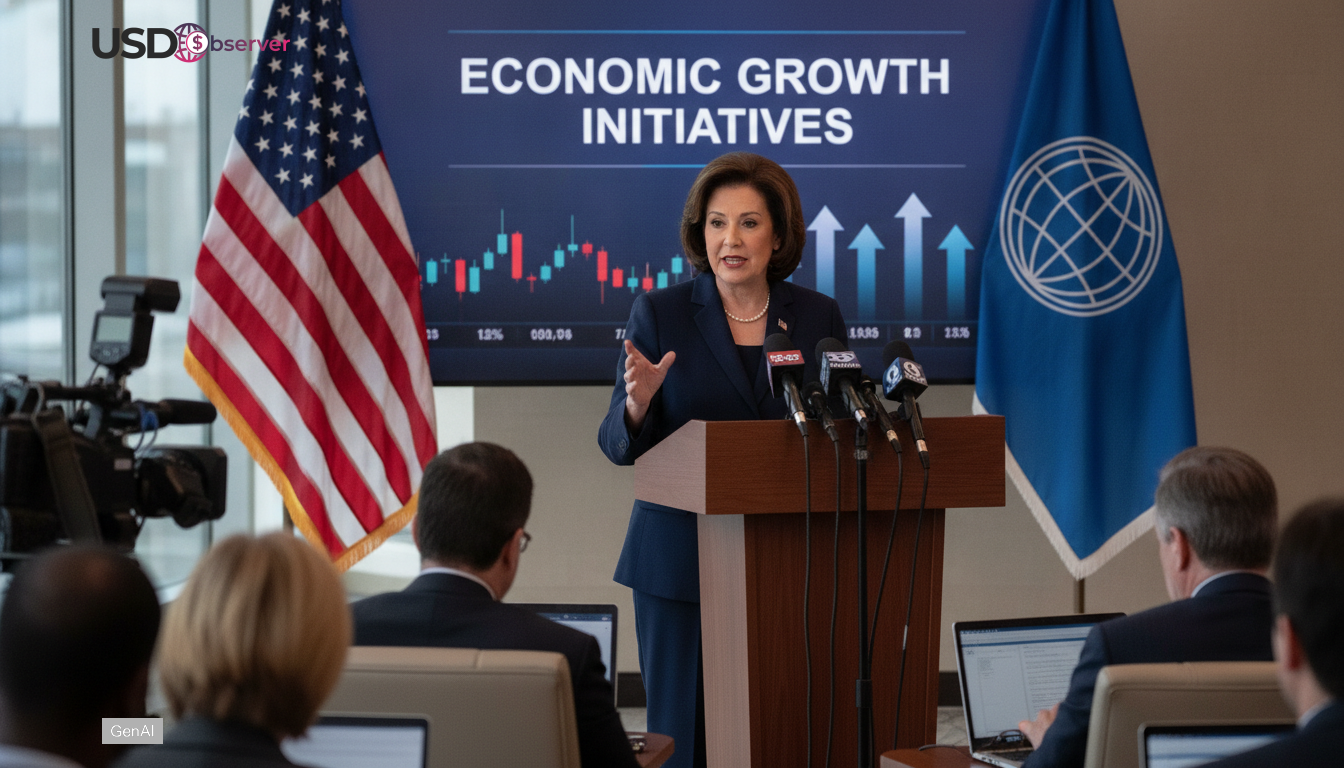
Fed Policy and Trump’s Call for Rate Cuts
Fed policy moved back into the spotlight after Donald Trump reportedly urged the US central bank to cut interest rates at a moment when markets were also debating higher odds of a hike. In remarks reported by the BBC on 4 September 2024, he argued that lower borrowing costs would better support growth and relieve financing pressure. Traders often treat high frequency data as the clearest guide to the next Federal Reserve decision, so Fed policy political commentary can amplify volatility even without any formal role in setting rates. The immediate context was shifting probabilities around the next meeting window, with investors watching the dollar, Treasury yields, and broader risk appetite for confirmation.
Jobs Data and What It Signals for Fed Policy
The latest US jobs figures mattered because investors use labor strength to infer wage pressure and the persistence of services inflation. In the BBC report, the data release was associated with renewed bets that rates might have to stay higher for longer, despite the simultaneous political push for cuts. For readers tracking how monetary signals transmit into household budgets and lending costs, Interest rates reshape the global economy for households explains the channels that tend to reprice first. That tension can tighten financial conditions quickly as yields adjust and the USD responds. When the labor market surprises, Fed policy expectations often react faster than official messaging can calm.
Market Pricing: USD, Yields, and Risk Under Fed Policy
When rate cut rhetoric collides with firmer macro data, intraday ranges can widen because traders must price a broader set of outcomes. After the jobs release cited by the BBC, Treasury yields and the dollar moved in ways consistent with tighter conditions, while risk assets tried to balance growth optimism against discount rate pressure. For a digital markets angle on how stress and regulation can influence liquidity and settlement narratives, G20 Backs Digital Asset Innovation with Clearer Rules offers context. In practice, Fed policy is expressed through curves, not headlines, so small changes in expectations can cause outsized moves in front end yields and FX. Even so, the anchor remains how markets think the Fed will react.
Political Pressure vs Central Bank Independence in Fed Policy
History shows US presidents from both parties have criticized the Federal Reserve when rate decisions clash with political priorities. The Fed’s mandate focuses on maximum employment and stable prices, and officials typically avoid responding directly to political statements, emphasizing data dependence instead. To understand how that feedback loop can strengthen or weaken the dollar over time, USD strength analysis: demand shifts reshape dollar role provides a broader framework. Investors therefore separate rhetoric from evidence, but headlines can still matter when they land near key releases because positioning is fragile and liquidity can thin. The recurring pattern is that commentary drives short bursts of volatility, then incoming inflation and labor readings reclaim control. In that cycle, Fed policy credibility is the stabilizer markets watch.
What to Watch Next for Fed Policy
The next outlook depends on whether inflation continues to cool and whether labor demand eases without a sharp rise in unemployment. The BBC framing set Trump’s call for cuts against a market that had just leaned toward tighter odds, highlighting how quickly probabilities can flip when data surprises. Traders will focus on upcoming inflation prints, revisions to employment data, and Fed communications for clues on the reaction function. Over the next few weeks, the key test is whether markets can reconcile political noise with the evidence that ultimately drives Fed policy. If data remain firm, the bar for rate cuts stays high; if conditions soften, timing becomes the central debate.