US diesel prices and the record run up
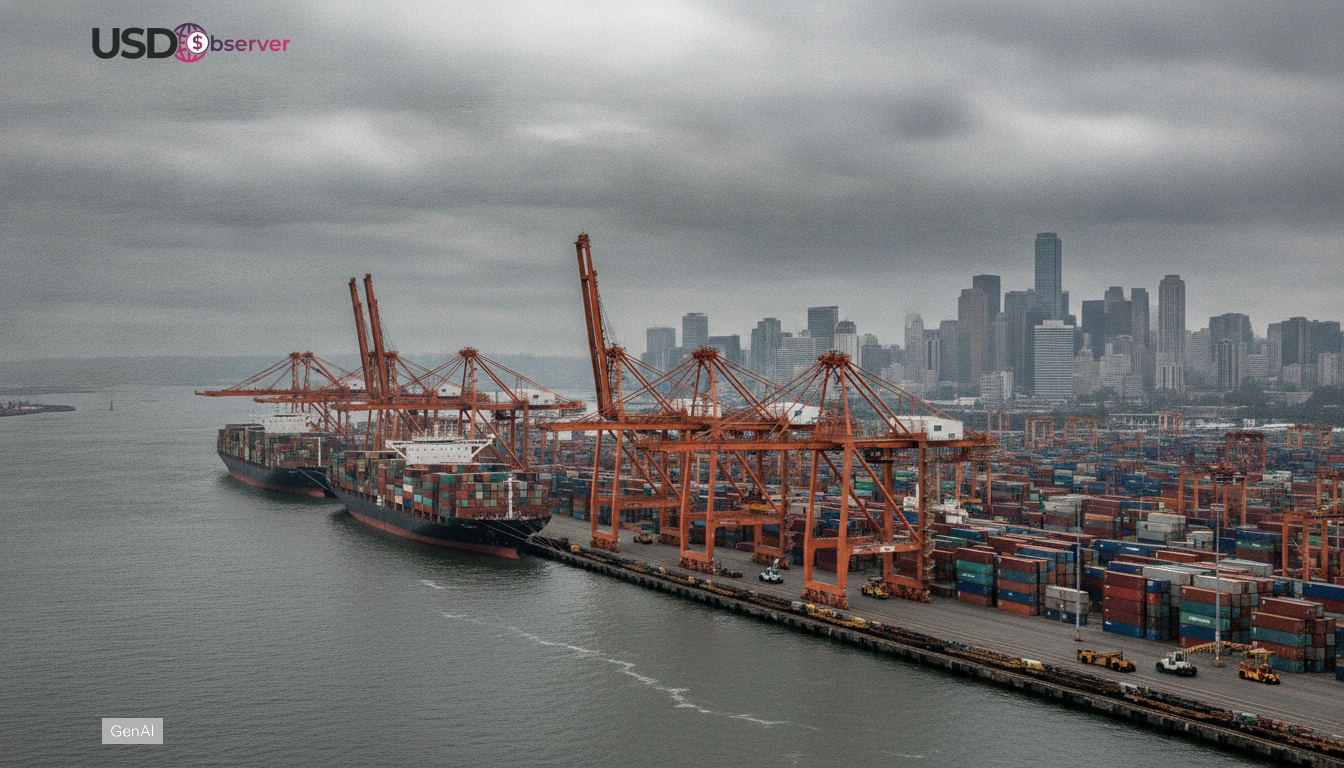
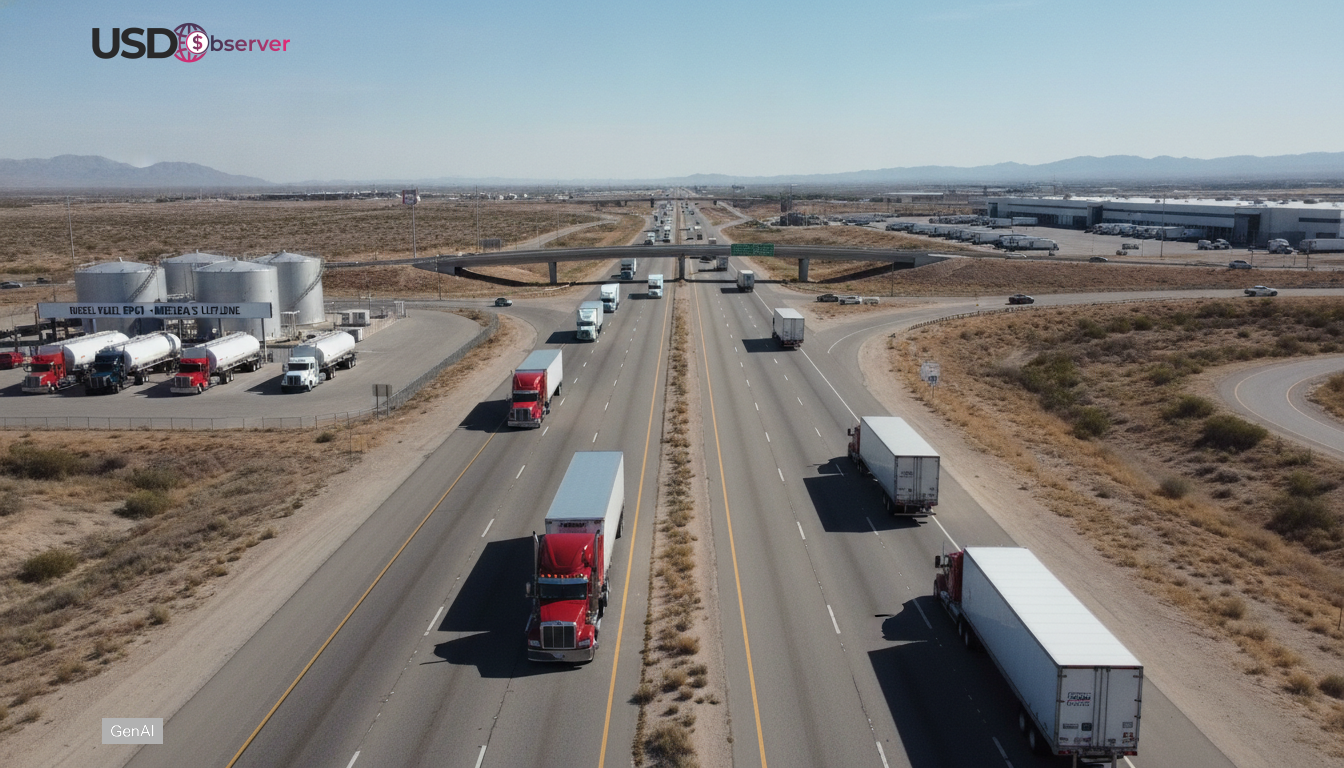
US diesel prices are testing new highs and reshaping freight costs and inflation expectations. In weekly data from the Energy Information Administration (EIA), distillate fuel inventories have repeatedly sat near the lower end of recent historical ranges since 2022, leaving a thinner buffer when refineries enter maintenance or face unplanned outages, according to the EIA. Because diesel is the primary fuel for trucking, rail, farming equipment, and many municipal fleets, higher pump and rack prices can filter through to groceries, building materials, and retail replenishment. For shippers, diesel is often handled as a fuel surcharge or pass through line item, which can lift delivered prices even when end demand is steady.
How higher diesel prices feed inflation and budgets
Fuel surcharges can feed into inflation sensitive categories across the country, from grocery distribution to construction contracts. The Bureau of Labor Statistics (BLS) tracks transportation and fuel related inputs within producer price indexes, and those pressures may show up with a lag at the retail level, according to BLS methodology and releases. In many regions, diesel costs are treated by shippers as a pass through expense, which can push up delivered prices even when product demand is steady; for context on broader inflation channels, see Interest rates reshape the global economy for households. State transportation departments and municipal fleets can also face budget stress because fixed appropriations buy fewer gallons when prices rise.
Drivers behind the surge in US diesel prices
Key drivers frequently cited by market participants include tight inventories, refinery constraints, and regional bottlenecks that can make replacement barrels more expensive, especially when supply chains are disrupted. The EIA publishes weekly distillate stock figures, and markets often react when those levels move toward the lower end of the post 2010 range, according to EIA data. In tighter periods, some terminals and wholesalers may use allocations and higher rack pricing to manage demand, as reported by industry participants in market commentary; for readers tracking how markets process headline risk quickly, Kraken and SoFi bring digital assets to 24/7 settlement offers a parallel example of how faster settlement can change trading behavior. Global risks also matter because shipping routes and crude flows can be disrupted even without direct damage, which can affect product availability and pricing.
Diesel versus crude oil why the spread can widen
Diesel can decouple from crude when refining capacity and product yields become the binding constraint, which is why retail diesel can move more than oil futures. Analysts often point to distillate crack spreads widening when demand holds up while maintenance or outages reduce supply, as reflected in common refining margin benchmarks and market reports; related fuel market context is covered in UK petrol prices hit highest level since Iran war began. In that setting, diesel prices can rise even if headline crude prices are range bound, because buyers are competing for a smaller pool of finished barrels. Market structure matters as well, since regional pipeline capacity and export economics influence where product flows, as discussed in EIA market analysis and industry coverage.
What freight and shippers may see next
Near term direction depends on inventory rebuilding, refinery utilization, and whether geopolitical risk fades or intensifies. The EIA’s Short Term Energy Outlook is widely used as a baseline for demand, refinery runs, and distillate balances, and it is often referenced to frame whether current pricing looks sustainable, according to the EIA. If refinery outages persist or export demand remains strong, US diesel prices may remain elevated if domestic consumption cools, according to available reports. Conversely, a sustained increase in refinery runs and imports into tight regions would likely ease rack pricing and narrow spreads over time.