Trump $1 coin release puts the US Mint in focus
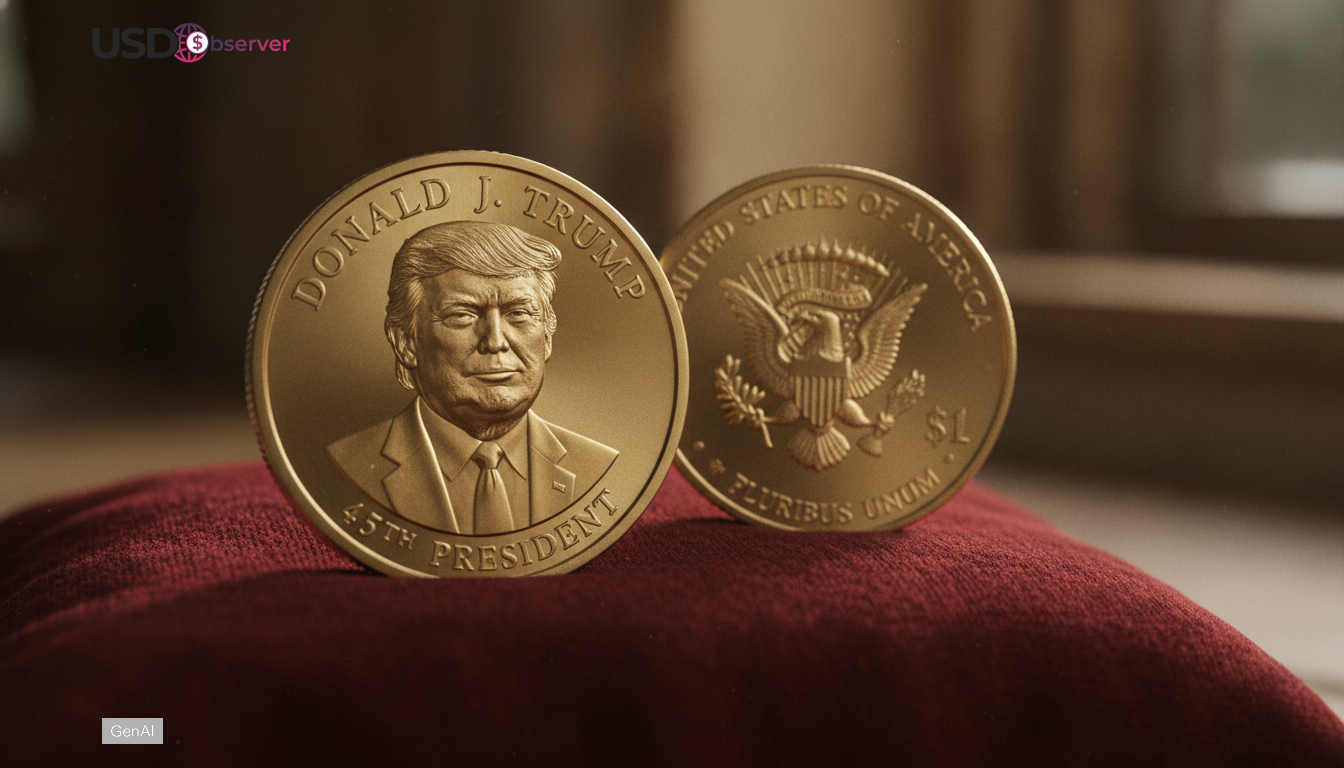
The Trump $1 coin is drawing scrutiny of how the US Mint handles modern political themes in collector-style products, based on public discussion and online chatter. As buyers report placing orders and resale listings appear on secondary marketplaces, attention has shifted to practical details that shape access and pricing: household limits, product tiers, and whether buyers can purchase near issue price or may face aftermarket premiums. The Mint generally distinguishes numismatic releases from circulating coinage, though some readers interpret high-profile designs as signals about national symbols. Collectors are also watching sell-through pace, potential early sellouts, and grading interest as indicators of scarcity and staying power in the market.
Rules on who can appear on US currency and coins
Legal and cultural constraints sit at the center of the controversy because circulating designs and collector products are governed differently. Discussion around the Trump $1 coin often references long-standing norms that discourage depicting living political figures on standard money, while acknowledging that medals and some non-circulating items have historically been treated more flexibly. For readers tracking broader dollar narratives, the way symbolism influences demand is also discussed in USD strength analysis: demand shifts reshape dollar role. A parallel debate on monetary messaging and policy framing appears in G20 Backs Digital Asset Innovation with Clearer Rules, where credibility and clarity matter to market confidence, and collectors often cite the US Mint’s household limits as a practical flashpoint during high-demand drops.
Design details and how special editions are positioned
Design choices can determine whether buyers treat a piece as art, political memorabilia, or a short-term flip. Elements such as relief depth, finish, inscriptions, and mint marks may imply official weight even when an item is not intended for circulation. The Trump $1 coin is being informally compared by collectors with other modern special-edition strikes that emphasize anniversaries or historic commemoration rather than current personalities. Related coverage on shifting market conditions appears in Global Bond Market Volatility Lifts Borrowing Costs Fast. Because presentation can drive demand, investors also watch how publicity and branding spill across adjacent financial narratives, including risk appetite and consumer behavior, and for a cross-market view of rulemaking signals, see SEC Faces Pressure to Ease ETF Restrictions for Crypto.
Market reaction, resale premiums, and buyer behavior
Early market activity, based on observable online listings, has focused on whether demand is driven by traditional numismatists, political supporters seeking memorabilia, or speculators targeting a fast premium. This Trump-themed $1 coin discussion highlights how modern issues can develop a gap between primary issuance and secondary listings, even if the item is not meant for day-to-day circulation. Broader consumer sentiment is reflected in Almost half of households do not see benefits of economic growth, report says, which helps explain why discretionary purchases can become contentious. Price discovery is often noisy, so the most credible signals tend to come from verifiable listings, completed sales data where available, and any visible jump in grading submissions reported by market participants. Household budgets also shape participation in collectibles, especially when essentials rise.
What the Trump $1 coin could mean for future releases
The longer-term question is whether this debut could encourage more personality-driven products or prompt tighter guidance separating civic symbolism from contemporary politics. If policymakers or the Mint move to clarify what counts as an official portrayal versus a commemorative novelty, any changes would likely run through existing program structures, authorizing statutes, and advisory processes. The Trump $1 coin may also influence how future special-edition releases are marketed, how ordering limits could be set, and how quickly collectors trust new launches after a polarizing rollout, particularly if a 2026 election-year news cycle keeps the design in the spotlight. Ultimately, demand may depend on institutional clarity, perceived legitimacy, and whether the market stabilizes once initial enthusiasm and headline attention fade.