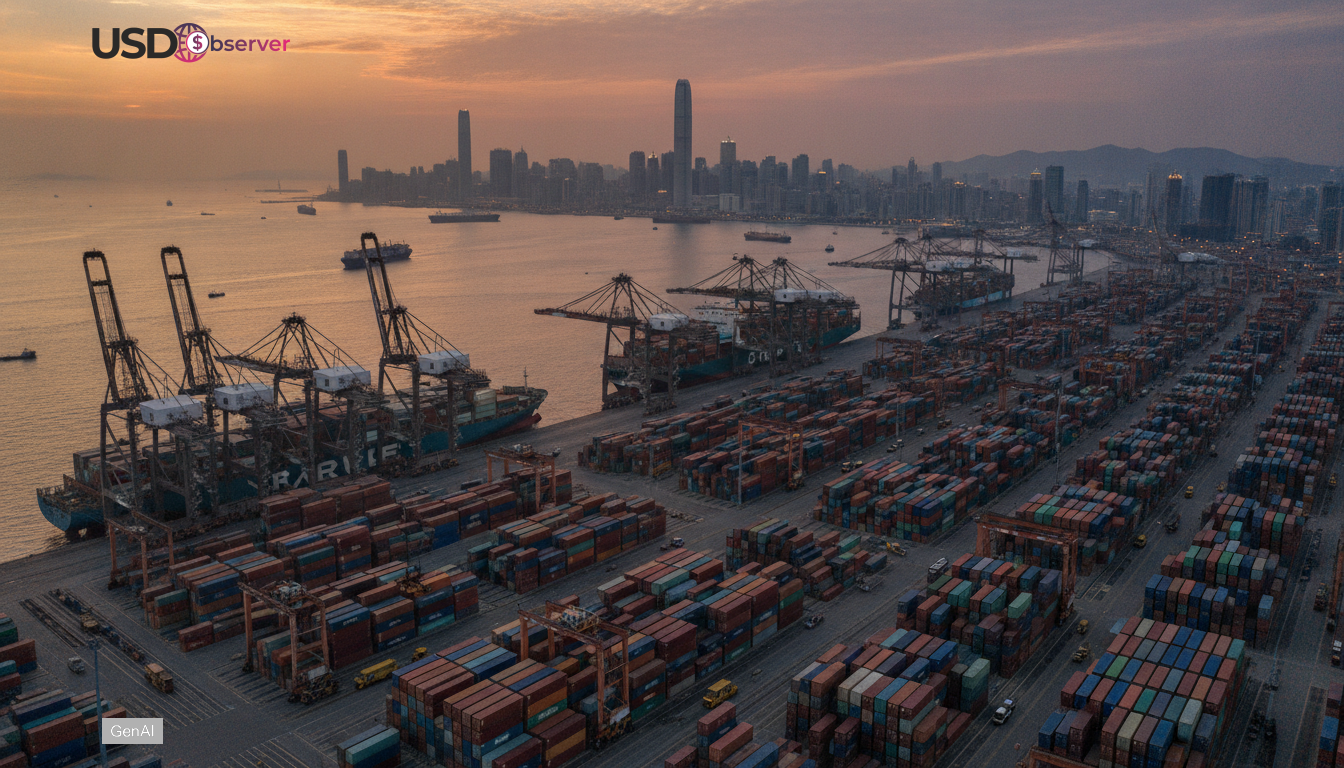
US-China trade tariffs enforcement: what the US is targeting
US officials are sharpening enforcement against rerouting practices tied to some Chinese exporters, saying that paperwork and light processing can be used to change declared origin. In the dispute over bilateral tariffs, the emphasis is on tracing inputs, factory steps, and shipping chains rather than relying on labels alone. In 2018 to 2019, the US imposed several rounds of duties during the Trump administration, as widely reported at the time, and investigators now focus on whether intermediate processing meets the legal test for substantial transformation. Officials say scrutiny is widening as more shipments arrive through transshipment hubs, with customs teams reportedly comparing bills of materials to factory capacity and container movements to export declarations.
Tariff enforcement and transshipment via third countries
According to reports, there is concern that third country intermediaries may be central to tariff avoidance, especially where goods are relabeled after minimal transformation and then re-exported with new certificates, as indicated by public statements summarized by major media. The core allegation was detailed in the BBC report, https://www.bbc.co.uk/news/articles/c78gy6ep3n5o?at_medium=RSS&at_campaign=rss, which described US claims involving dozens of countries helping China dodge duties originally introduced under former President Donald Trump. For importers, compliance with US-China trade tariffs increasingly hinges on documenting what processing occurred, where it occurred, and whether local value added is more than superficial. Freight forwarders and brokers can face higher exposure when filings rely on limited substantiation, trade compliance advisers often warn.
How customs audits apply these duties in practice
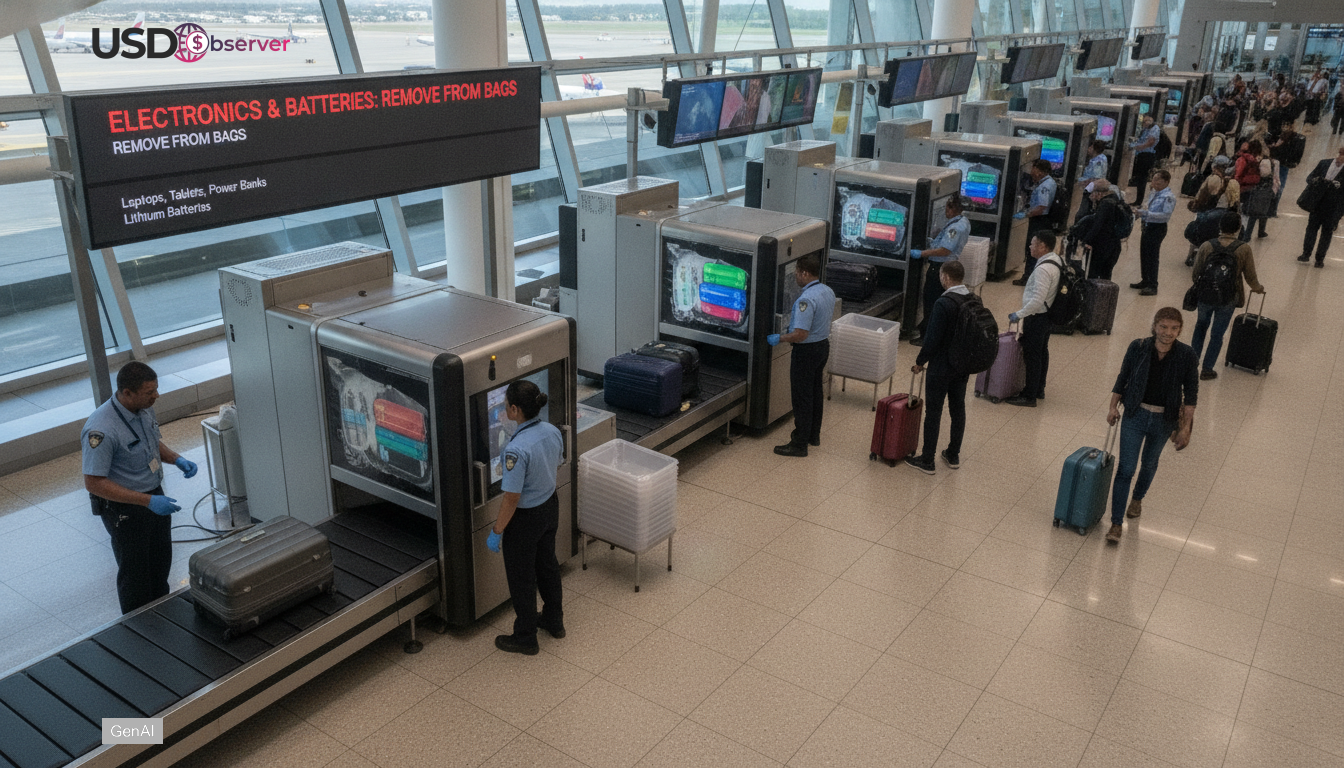
Policy follow-through is moving from headline warnings to procedural tightening, with agencies reportedly leaning on risk scoring, targeted examinations, and penalty tools to deter circumvention. US-China trade tariffs are being treated as an enforcement problem as much as a negotiating lever, officials have indicated, which can mean more cross-agency coordination on data and more requests for supplier documentation. A parallel theme in regulation is the broader use of standardized compliance frameworks, echoed in Crypto regulations: CFTC and SEC advance rule path as agencies clarify definitions and oversight, and the trade audit playbook is similarly becoming more standardized. In trade, the immediate operational effect is often longer clearance times and higher documentary demands for goods routed through corridors that authorities flag as higher risk.
Global market reaction to tighter controls
Trading partners are responding with a mix of reassurance and recalibration, because reputational risk can hit export sectors even when local firms believe they complied with rules, according to analysts who track supply-chain compliance. Governments that rely on manufacturing inflows are balancing growth goals with the need to show credible origin controls and customs cooperation, including better recordkeeping for certificates of origin and factory-level documentation, particularly in Southeast Asian transshipment hubs. Currency markets can also react when enforcement narrows expected export volumes, shifting hedging and invoicing patterns in USD, as market participants often note. For context on how dollar dynamics can spill into trade pricing, see USD Strength Analysis: Signals, Spillovers, Outlook and USD Strength in 2026: Drivers, Risks, Forecasts, which is one reason compliance costs can show up quickly in pricing discussions. Banks and insurers are also reassessing shipment risk and counterparty exposure, according to industry commentary.
What companies should document for US-China trade tariffs compliance
The likely next phase could include more formalized rules for determining substantial transformation, with clearer thresholds for processing steps and better information sharing between customs authorities, as officials have suggested in broader enforcement discussions. Companies caught between shifting standards may need auditable production records, supplier contracts that specify origin representations, and tighter oversight of third party factories to reduce enforcement surprises tied to US-China trade tariffs. Regulators may also look for repeatable signals of tariff avoidance, such as sudden export spikes from small economies paired with limited industrial capacity, and mismatches between declared origin and component sourcing, according to compliance practitioners. Diplomatic friction could rise if enforcement actions are perceived as targeting specific transit hubs, but the operational message to firms is straightforward: build compliance into procurement and logistics rather than treating it as only a broker function.