Forex markets and tariff lawsuits: what changed
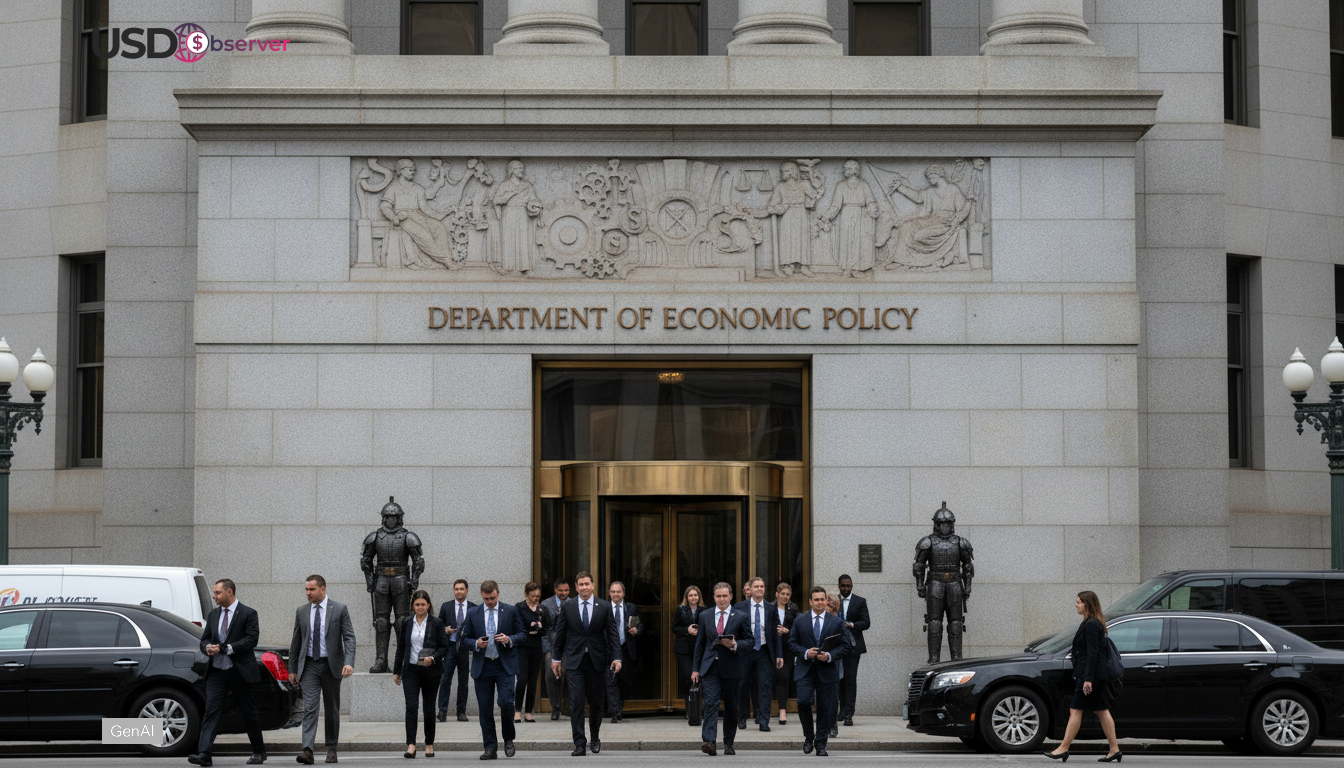
In forex markets, the U.S. dollar reportedly softened as indicated by reports that a group of state attorneys general filed lawsuits seeking to block a new round of Trump-era tariffs. The legal challenge added near-term uncertainty for import pricing, hedging costs, and how quickly policy could change again. Market participants said headline risk can widen bid-ask spreads in major pairs as banks recalibrate client quotes. Options desks were also described by traders as marking up short-dated implied volatility, since tariff rulings can quickly alter growth assumptions and rate expectations. Liquidity appeared available across Asia, Europe, and North America sessions, but price discovery was choppy as participants tried to assess the odds of delays, injunctions, or revisions to tariff schedules.
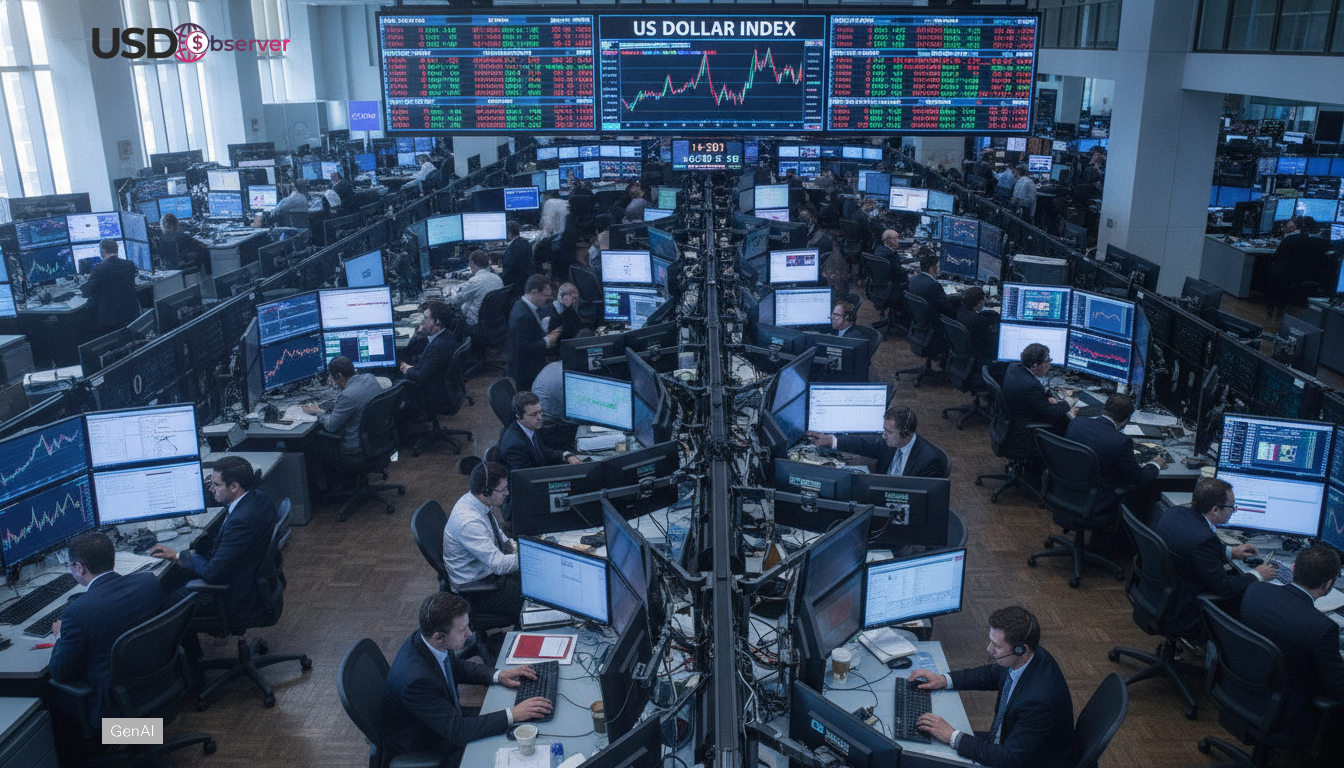
US Dollar Index reaction inside forex markets
Moves in the dollar index reflected what traders characterized as a rapid shift in positioning rather than a single data print. The U.S. Dollar Index is commonly tracked as a broad measure of USD strength against major counterparts, so trade-policy uncertainty can feed into growth and rate pricing. For context on how geopolitical headlines can flip the benchmark, see Dollar Index Climbs Amid Middle East Tanker Threats, and traders said the dollar may struggle to extend gains if companies postpone investment or slow cross-border orders while the cases move through court. Separately, stablecoin flows were also monitored by some participants as a potential signal of offshore positioning, discussed in Tether Q2 2026 Profits: $1.5B as USDT supply grows. Intraday correlations were described as tightening as equities softened.
Trade deficits, hedging, and pricing pressures
Currency desks also focused on trade deficits because tariffs can redirect import flows while potentially provoking retaliation that hits exports. Strategists said current-account and trade-balance releases can become larger catalysts when policy is unsettled, since markets try to map tariffs to future demand and terms-of-trade shifts. In FX dealing rooms, the immediate risk is that legal wrangling delays clarity for firms that set invoicing currency and hedge ratios. Outside FX, policy uncertainty has also been linked to broader market repricing, as highlighted by the BBC in SpaceX shares sink after first earnings report reveals huge AI spending plans, and cross-asset desks said uncertainty can mute demand for defensive carry even when nominal yields look supportive. Positioning stayed cautious into upcoming balance-of-payments updates, according to traders.
USD recovery playbook: rates, liquidity, and intervention
A durable rebound would likely require clearer guidance on the tariff path and confirmation from macro data that growth momentum remains intact, according to market participants. Federal Reserve communication remains a key driver for G10 FX because rate expectations often dominate day-to-day price action. Traders also watched forex markets hours closely, since liquidity differs across sessions and can influence whether shocks fade quickly or persist. Some banks have indicated in market commentary that corporate treasurers have been extending hedge tenors to smooth policy risk, which could reduce the need for urgent spot demand after headlines. Separately, intervention and coordination signals can stabilize key pairs when volatility spikes, as discussed in USD yen intervention: US-Japan steps steady FX. Without clearer policy signals, rallies may struggle to persist, traders said.
Long-term implications for forex markets and USD strength
If the courts slow or alter the tariff regime, the longer-term issue becomes how firms redesign supply chains and where they hold working capital, according to strategists. Large reallocations can change funding-currency demand, especially when invoicing shifts between dollars and regional alternatives. For forex markets, a structural risk is that repeated policy swings raise hedging costs, which could reduce trade volumes and weaken the feedback loop that supports liquidity. Asset managers said persistent legal conflict can keep volatility premia elevated, raising the hurdle for carry strategies. Over time, sustained uncertainty can reshape USD strength by affecting real investment decisions and portfolio allocation, even if short-term rate spreads look supportive. The tariff lawsuits therefore matter beyond a single session’s price action, market participants said.