West Africa Gas Pipeline Plan Approved
West African governments have formally endorsed the West Africa gas pipeline, a proposed $25bn cross border project designed to move Nigerian gas along the Atlantic coast to markets further west. According to available reports, the sign off is seen as a step toward a regional corridor intended to expand supply options for power plants and industry. The West Africa gas pipeline would combine offshore and onshore segments to connect producing areas to new demand centers. Officials said development would proceed in phases, with financing expected from public institutions and private partners. The agreement focuses on governance, route alignment, and the initial scope of technical studies ahead of further approvals.
Route, Cost, and Technical Scope
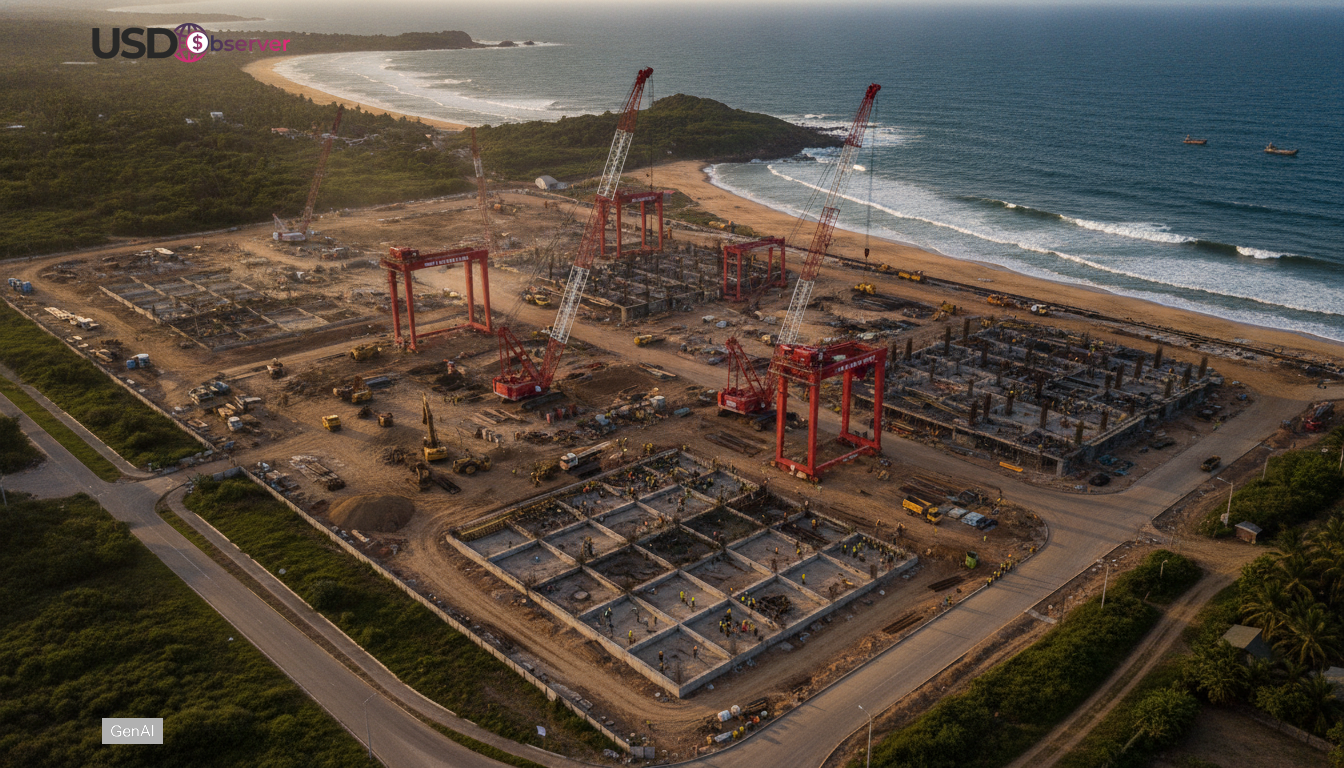
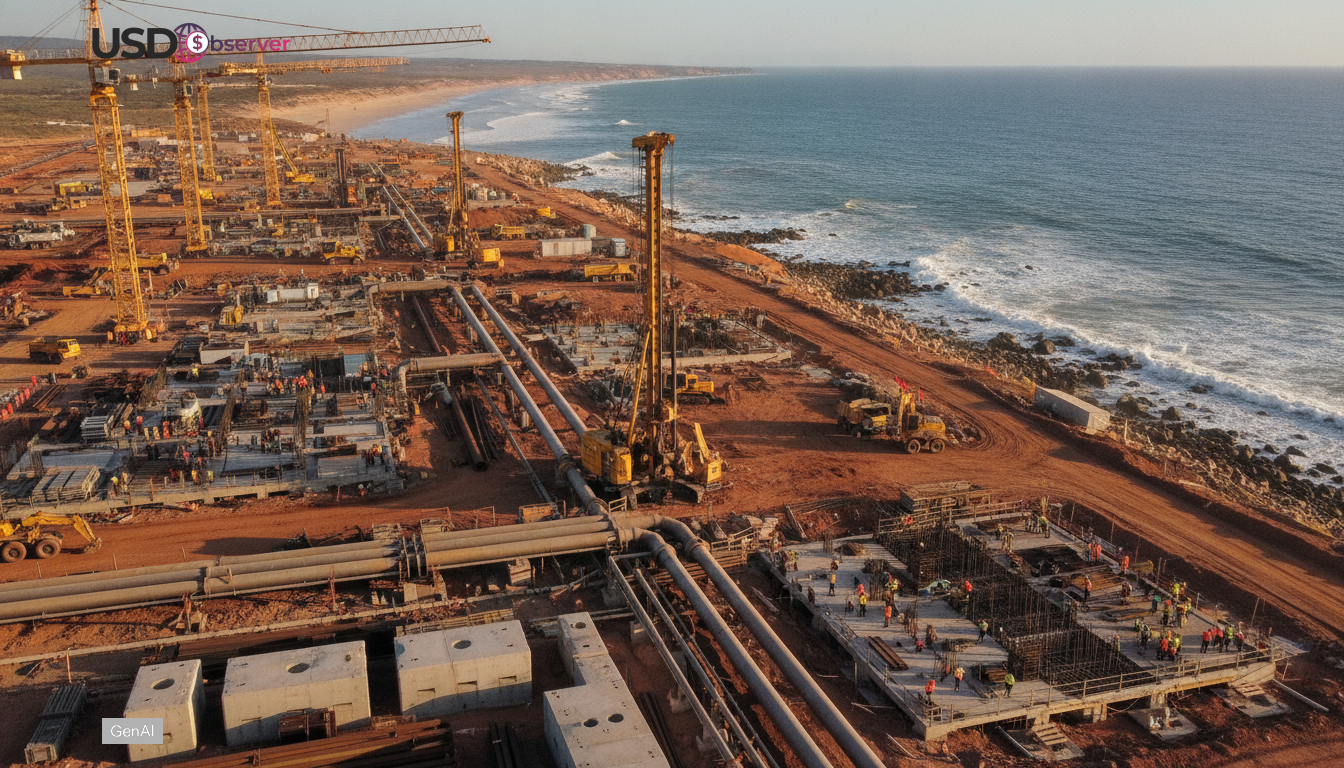
Officials cited by available reports repeated a headline capital cost of $25bn and said early work will prioritize route surveys, front end engineering design, and commercial structuring before procurement. The corridor is expected to run westward from Nigeria through multiple coastal states, using a mix of subsea and land based sections, with compressor stations and metering points needed to keep pressure and gas quality consistent. Related coverage has tracked similar framing in West Africa Gas Pipeline Plan Advances $25bn Corridor, and the project is being developed in stages so initial segments can reach early buyers while later stretches are still being built.
Countries, Governance, and Financing Roles
Nigeria is positioned as the central upstream supplier because it holds the region’s largest gas reserves, while participating coastal governments are expected to coordinate permits, land access, and security arrangements across jurisdictions. Reports suggest that tariff structures for transit and common technical standards are part of the alignment effort, so gas quality and metering remain consistent from entry to exit points. A dedicated company structure is expected to define responsibilities for design, construction, and operations once shareholder terms are settled. Officials also cited risk sharing and governance clarity as key to attracting private capital.
Economic and Market Effects in West Africa
Governments are presenting the corridor as an African development catalyst that could lower fuel costs for electricity generation and support fertilizer and petrochemicals where domestic gas is available. Reports indicate that construction spending could stimulate local contracting, ports, and services along the Atlantic coast, while transit fees and expanded power supply could support fiscal revenues over time. Energy price pass through dynamics are discussed in Global oil prices hit airlines, inflation and growth, and macro conditions will still matter because imported materials, marine vessels, and debt servicing are typically priced in USD, which can tighten local forex markets when payment schedules peak.
Environmental Safeguards and Implementation Timeline
Regulators and lenders are expected to require full environmental and social impact assessments before construction, reflecting common conditions attached to large energy infrastructure financing. Reports have suggested that route choices, compressor placement, and coastal works can affect fisheries, wetlands, and shoreline communities, so mitigation plans and consultation processes will be central to approvals. Project developers are also likely to face methane management requirements because leakage can undermine the climate case for gas, and civil society groups have called for stronger disclosure on land acquisition and compensation, and governments have signaled national laws will be applied alongside lender standards. Safeguarding frameworks are reportedly being prepared alongside technical studies and phased commissioning plans.