US-Canada Trade Tensions: US reportedly imposes 50% tariffs
US-Canada trade tensions intensified after President Donald Trump was reported to have ordered a 50% tariff on selected Canadian goods, tightening trade conditions across the border. The announcement prompted what traders described as rapid repricing in markets tied to cross-border supply chains, while industry groups have warned that higher duties could be passed through to customers within weeks. According to reports from White House briefings as described by participants, the Office of the United States Trade Representative was cited as a coordinating agency as customs and enforcement details were circulated. Canadian customs brokers said companies should expect added classification and documentation work at the border. Manufacturers that rely on Canadian intermediate inputs began reassessing procurement schedules and inventory buffers to reduce exposure to sudden duty changes and shipment delays.
Ottawa response and near term economic risks
Ottawa signaled it would intensify negotiations rather than mirror every step immediately, after Prime Minister Mark Carney was quoted as saying Canada would “intensify” trade talks while defending exporters. Officials said consultations are being led by the Department of Finance and Global Affairs Canada, with an emphasis on protecting jobs and seeking sector specific carve outs. A parallel risk discussion has also surfaced around invoicing and settlement in USD, reflected in USDT regulation in the U.S. may tighten. For investors tracking the broader trade dispute, attention has shifted to currency sensitivity, credit conditions, and pricing power in industries with thin margins. Bank of Canada research has previously warned that prolonged trade frictions can suppress investment and productivity, according to past central bank publications and speeches.
Supply chain and inflation spillovers across North America
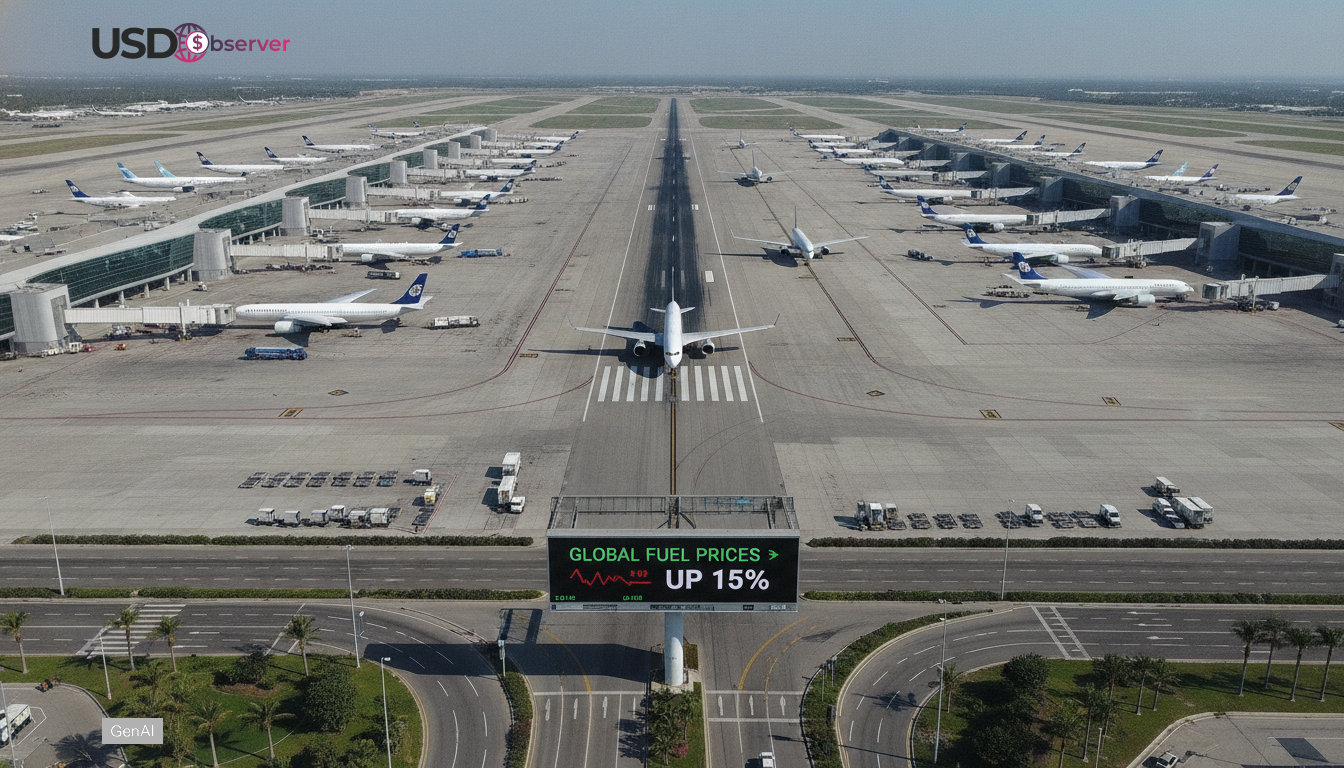
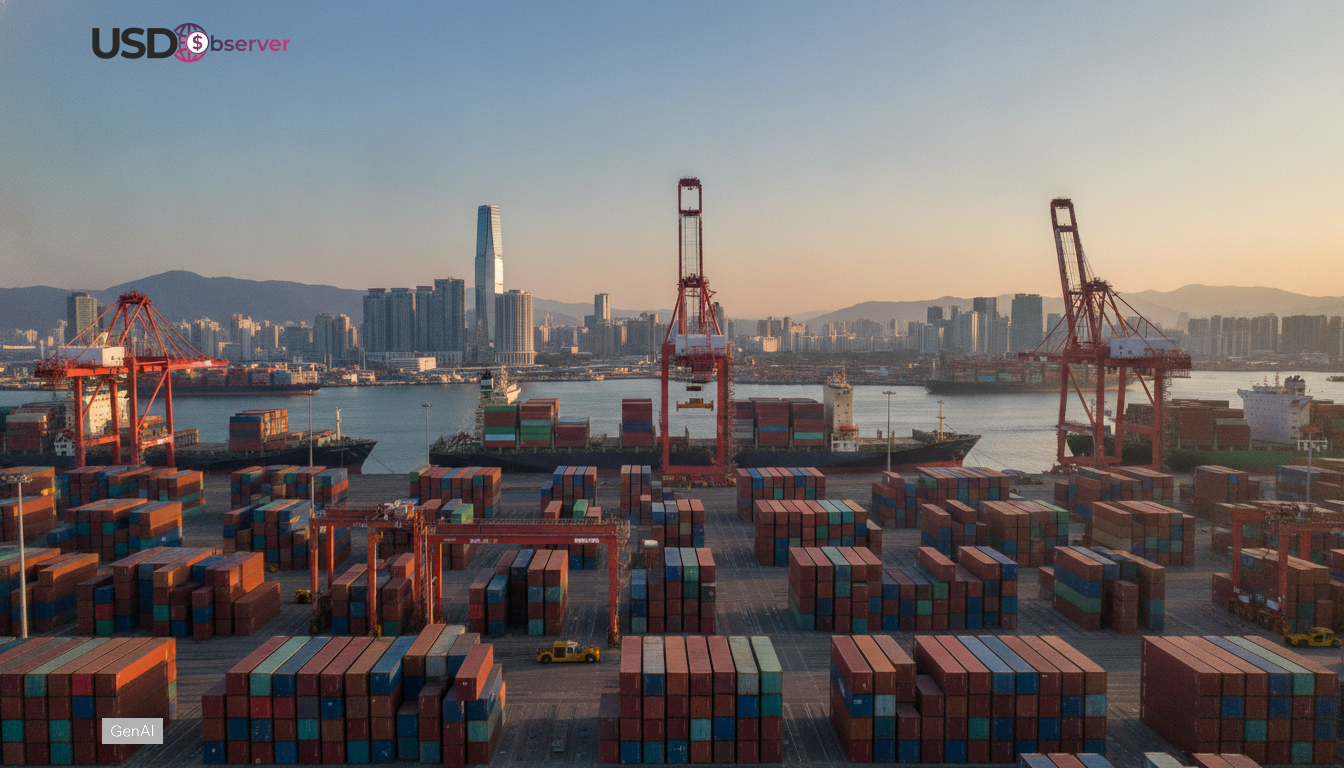
The 50% rate would raise the effective border cost on components that can cross multiple times before final assembly, potentially complicating rules of origin and landed cost models, according to trade lawyers and supply chain advisers. Analysts monitoring US-Canada trade tensions also cite potential spillovers into energy, packaging, and transport costs that can feed inflation expectations. Logistics providers said the steep tariff could trigger rerouting decisions for autos, machinery, and agriculture, and could raise warehousing demand as firms hold more safety stock. Similar transmission channels are discussed in Global oil prices hit airlines, inflation and growth, which tracks how input costs move through to consumer prices. Business groups on both sides are urging clearer exemption criteria to reduce uncertainty and stabilize contracting. The biggest immediate risk, according to corporate advisers, is a confidence shock that delays capital spending across integrated supply chains.
How earlier disputes shaped today’s tariff playbook
This escalation fits a recurring pattern in which sector disputes expand into broader tariff pressure when domestic politics harden negotiating positions, as seen in prior disputes over softwood lumber, dairy market access, and metals duties. Those earlier clashes show how targeted measures can widen into bargaining leverage through formal filings and public statements. The difference this time, if the 50% level is sustained, is scale: a rate of that magnitude could compress margins quickly and break contract assumptions, especially where pricing is set months in advance. Trade lawyers in Ottawa said procedural details will be decisive, including product scope, customs valuation, and the timing of enforcement notices. Those specifics determine whether firms can qualify for exceptions or restructure sourcing without breaching delivery terms. The dispute also raises the odds of tit-for-tat action if talks stall, according to analysts who track North American trade policy.
Negotiation outlook and what businesses will watch next
Near term talks are expected to focus on narrowing the product list, clarifying exemptions, and setting a review timetable rather than rewriting the broader trade framework, according to people briefed on the discussions and public comments from officials. Canadian officials have signaled retaliation would be calibrated to avoid self-inflicted price spikes for households and manufacturers, while still demonstrating leverage. In Washington, lawmakers from districts tied to cross border production are likely to seek relief once constituent industries quantify cost increases and job risks, according to trade associations and congressional staff cited in media coverage. Any settlement will require verification mechanisms that both governments can defend publicly, such as transparent quota administration or mutually recognized compliance audits. The most durable outcome, in the view of industry groups, would be a staged reduction in tariff rates tied to measurable benchmarks so firms can restart deferred investment, hiring, and long term sourcing decisions.