Diesel Prices Drop Amid Margin Compression
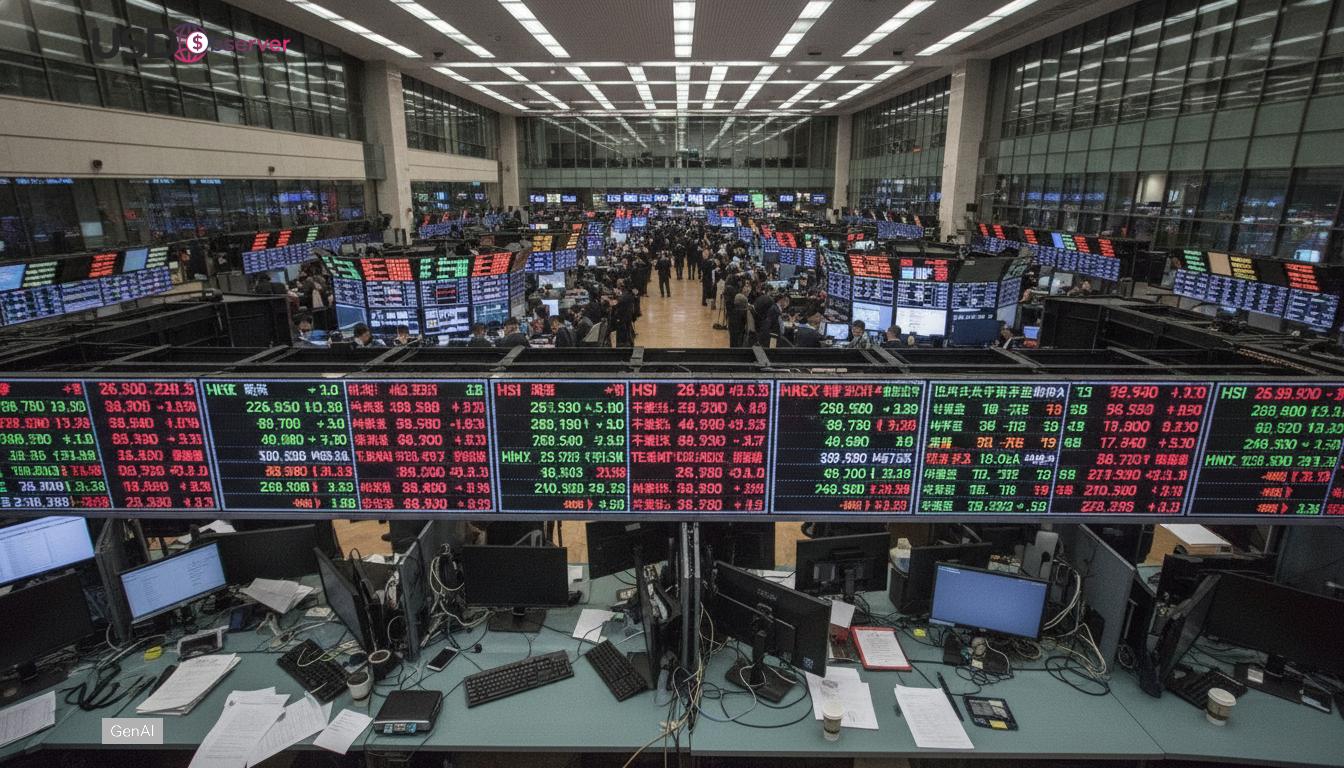
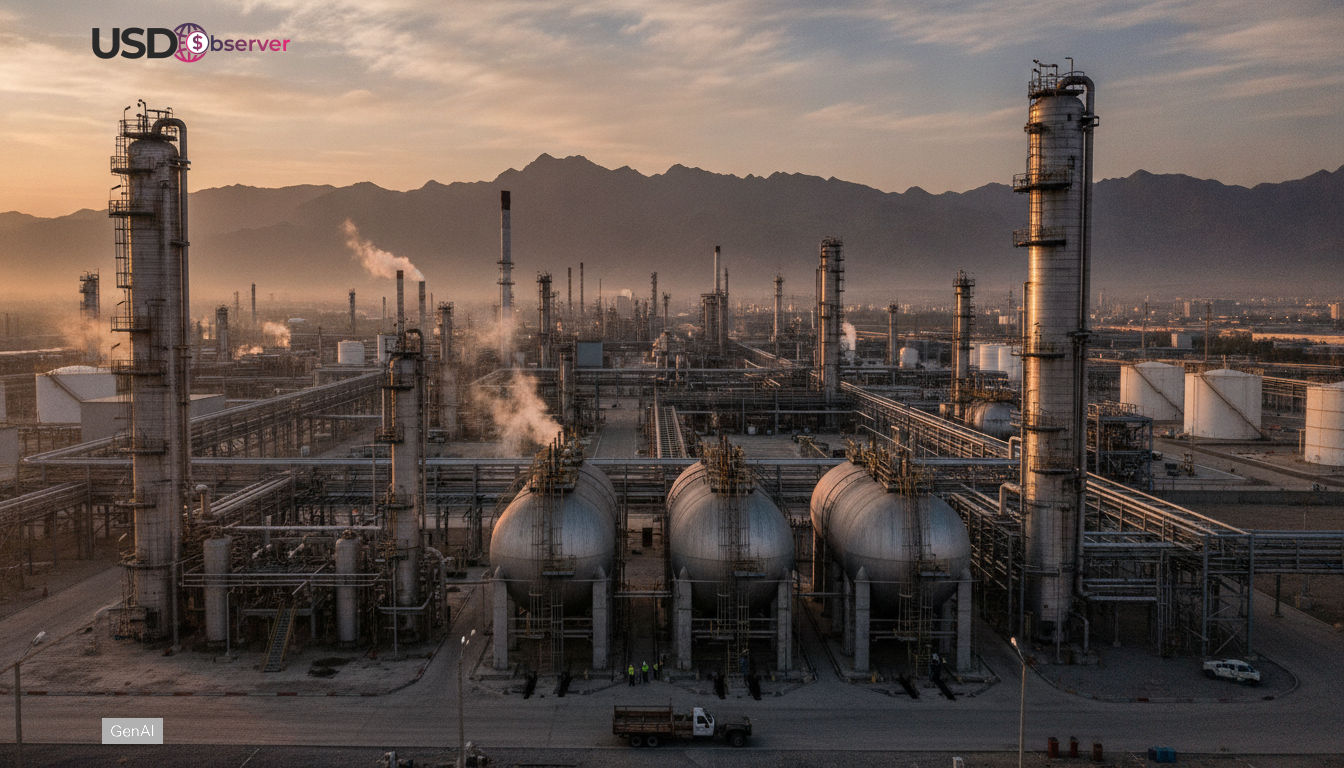
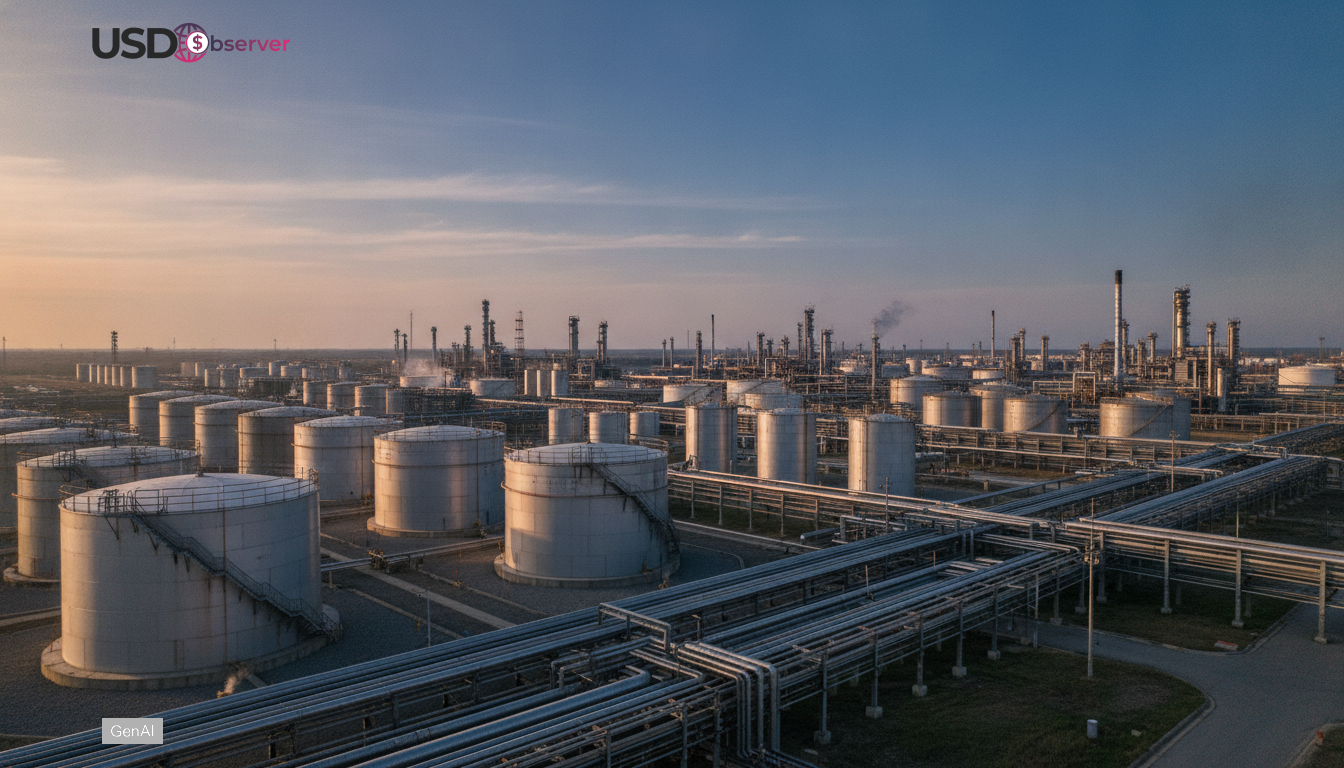
Wholesale diesel prices have decreased as refining margins tighten and inventories build. Market participants note a softening of demand signals across several regions. Reuters attributes this decline to weakened middle distillate consumption and improved supply from major refining hubs. Retail pass-through is often uneven because of taxes, distribution costs, and regulated pricing frameworks, which can delay observable changes at the pump, industry analysts report. For consumers, the decline in datasets may seem prominent, while actual pump prices adjust gradually, depending on local market dynamics.
Geopolitical Effects on Fuel Prices
Geopolitical factors continue to influence trade flows of crude and refined products, guiding barrels towards more favorable routes while avoiding high-risk areas. Changes in sanction regimes and export patterns can alter regional supply conditions for middle distillates. Analysts highlight potential impacts from events like Red Sea shipping disruptions. When perceived risk premiums decrease, wholesale diesel benchmarks may drop more rapidly than retail prices can keep up with, causing quick adjustments in wholesale assessments.
Trends and Policy in Diesel Pricing
In large markets, local policy choices can mitigate global volatility effects on pump prices. For example, in India, retail fuel prices have remained largely unchanged for extended periods, as reported by some officials and oil marketing company representatives, though details may vary by city. This environment allows for a disconnect between global benchmark drops and local retail prices. The discrepancy becomes clearer when crude prices fall alongside compressed refining margins.
Impact on Transport Costs and Trade
Lower diesel prices can decrease operating costs in transportation and construction sectors. In freight markets, adjustments to surcharges may lag, according to Reuters commentary. Cheaper diesel can also relieve inflationary pressure on goods like food and consumer staples, even if retail prices remain stable. In the Gulf, public and business attention to retail adjustments is influenced by international assessments and local media, making changes in diesel prices more visible.
Future Diesel Price Influencers
Expectations for diesel prices may hinge on refinery utilization, inventory levels, and industrial demand sustainability, according to market data providers. Reuters notes that new capacity in Asia and the Middle East could add supply flexibility, potentially limiting price surges when crude remains stable. However, disruption risks could quickly raise premiums again due to diesel’s role in transport and backup power. Analysts also recognize diesel’s influence on inflation, noting its effects on goods and service costs. The interplay between efficiency, growth, and policy decisions will determine if current declines shape a lasting baseline or a temporary trend.