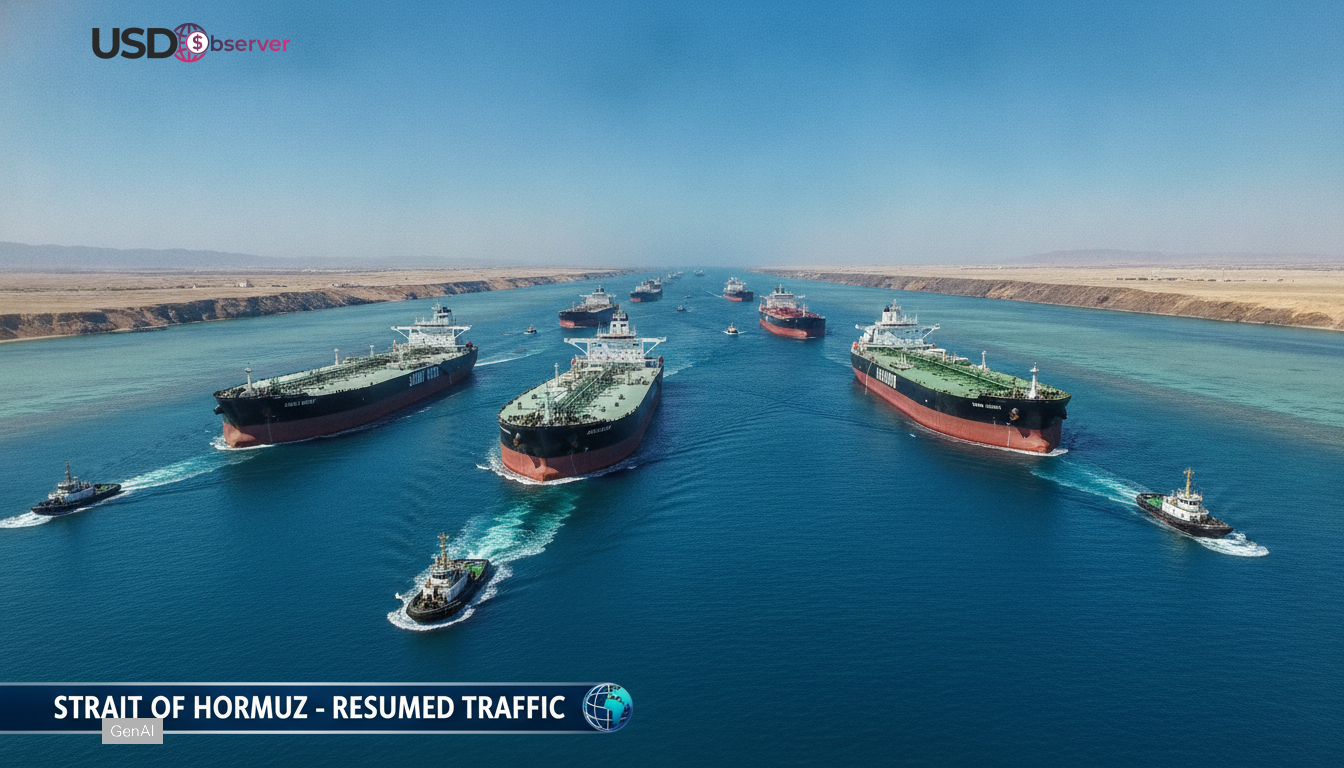
Iran war update: market assessment of oil price movements
Traders perceive the recent developments as signaling a potential short-term easing in energy market tensions. Crude appears to be losing part of the risk premium that arose during the regional tensions. As indicated by available reports, on 24 June 2025, Brent and WTI prices returned to pre-conflict levels as market participants evaluated the likelihood of a prolonged supply disruption through the Strait of Hormuz. The shift was reflected in key indicators like prompt time spreads and options pricing, suggesting an easing of hedging costs. Although market volatility remained high, participants mainly attributed the movement to logistical concerns and perceived transit risks rather than confirmed refinery disruptions.
Significance of the Strait of Hormuz chokepoint
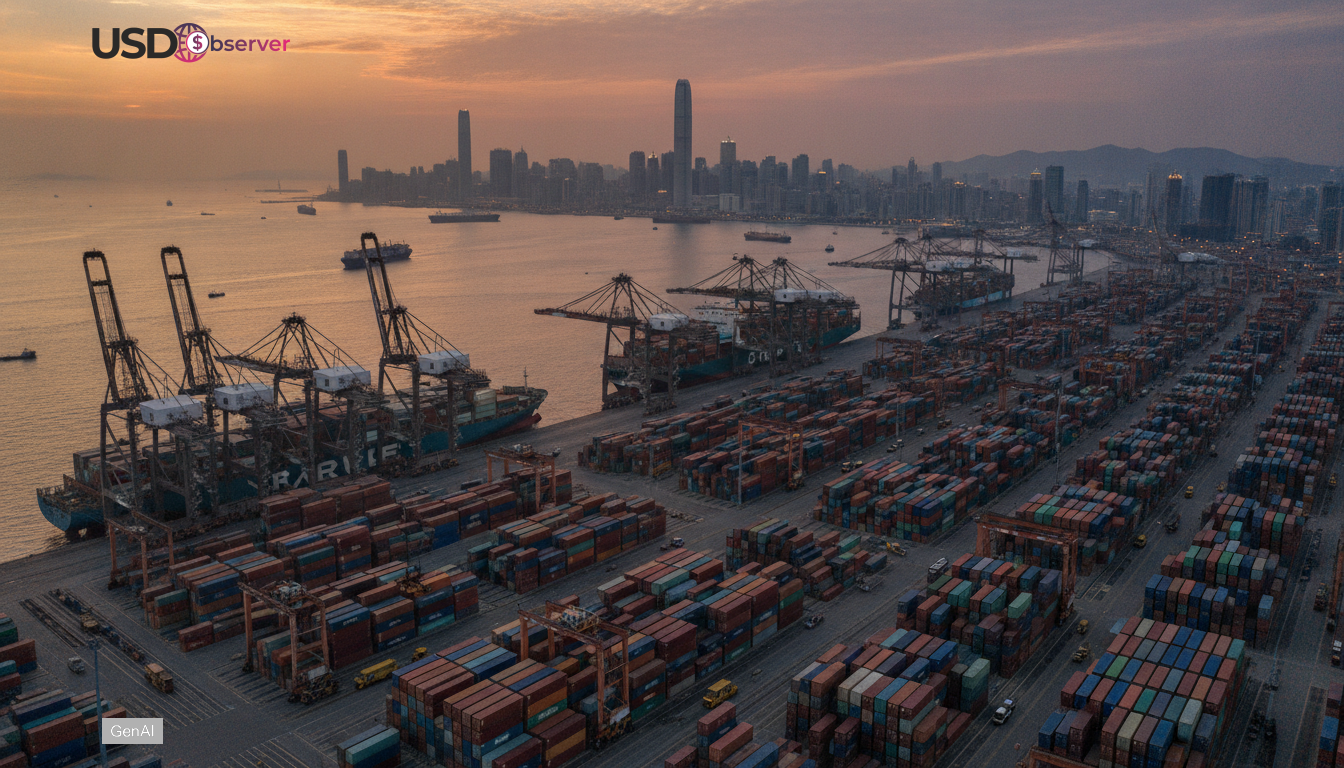
The Strait of Hormuz is considered a critical chokepoint for global oil pricing. Minor changes in perceived security risks can influence freight rates, insurance premiums, and refinery purchasing patterns. According to available reports, futures gave up gains as immediate disruption concerns subsided, and this broader recalibration is central to the current update. Traders focus on whether shipping lanes stay open and how frequently escorts or delays occur, based on ongoing market analysis. Desks engaged in pricing Gulf-linked grades suggest the risk premium is related to transit probabilities rather than unequivocal shortages of physical barrels.
Freight, insurance, and settlement considerations
Shipping markets can rapidly respond to security service evaluations, routing decisions, and delay costs, which may affect the effective supply of crude as much as its base price. Without a full closure, increased war-risk insurance and longer wait times can constrain supply by affecting tanker turnarounds. During periods of market tension, some treasury teams consider alternative payment systems, such as Oobit Brings USDT Payments to Brazil Pix Network, as part of broader cross-border settlement strategies. Traders observe how settlement timing unfolds when voyage durations lengthen and documentation delays occur, acknowledging that disruptions can vary by route and counterparty.
Implications for crude, USD, and hedging strategies
Across various financial instruments, price movements frequently align when crude risk reduces and inflation hedges are re-evaluated, reflecting common pricing patterns in this situation. A notable shift occurred in options, where a decrease in implied volatility suggested traders lowered the likelihood of an immediate supply shock compared to previous assessments, based on standard market indicators. Notably, political attention to fuel costs remains, exemplified by Trump Escalates Oil Price Gouging Claims at Pumps, illustrating how domestic narratives can introduce complexity, even if geopolitical and shipping risks are primary drivers. Although FX drivers are multifaceted and changeable, the typical US dollar risk aversion softened following the crude price adjustments.
Future outlook for oil markets amid the Iran situation
Looking forward, the market focus may shift from panic buying to strategic management of inventories, timing, and freight exposure amid persistent uncertainties. Escalations might initially impact tanker safety ratings, influencing higher insurance costs and broader differentials for Gulf-related grades. Conversely, continued stability could maintain downward pressure on the risk premium, limiting signals of immediate constraints. Importers will watch for consumer energy price impacts and short-term inflation projections, although actual timing is contingent on factors such as taxation, inventory levels, and retail price adjustments. This update suggests a reversion to pre-conflict pricing but without dismissing ongoing chokepoint concerns at the Strait of Hormuz.