Inflation UK 2026 outlook: why the latest reading matters
Inflation uk 2026 is back in focus after fresh UK price data showed inflation holding unexpectedly steady, complicating expectations for interest rate cuts and wage bargaining. In its latest release, the Office for National Statistics (ONS) said the headline rate was unchanged, even as some household staples stopped accelerating. For borrowers and businesses, a steadier print can, in practice, keep financial conditions tighter than some had expected, with lenders potentially slower to reprice mortgages and consumer credit. The ONS also said progress remains uneven across the basket, which can leave policymakers cautious and keeps markets sensitive to the next few releases.
Food and petrol costs: what is easing and what is sticky
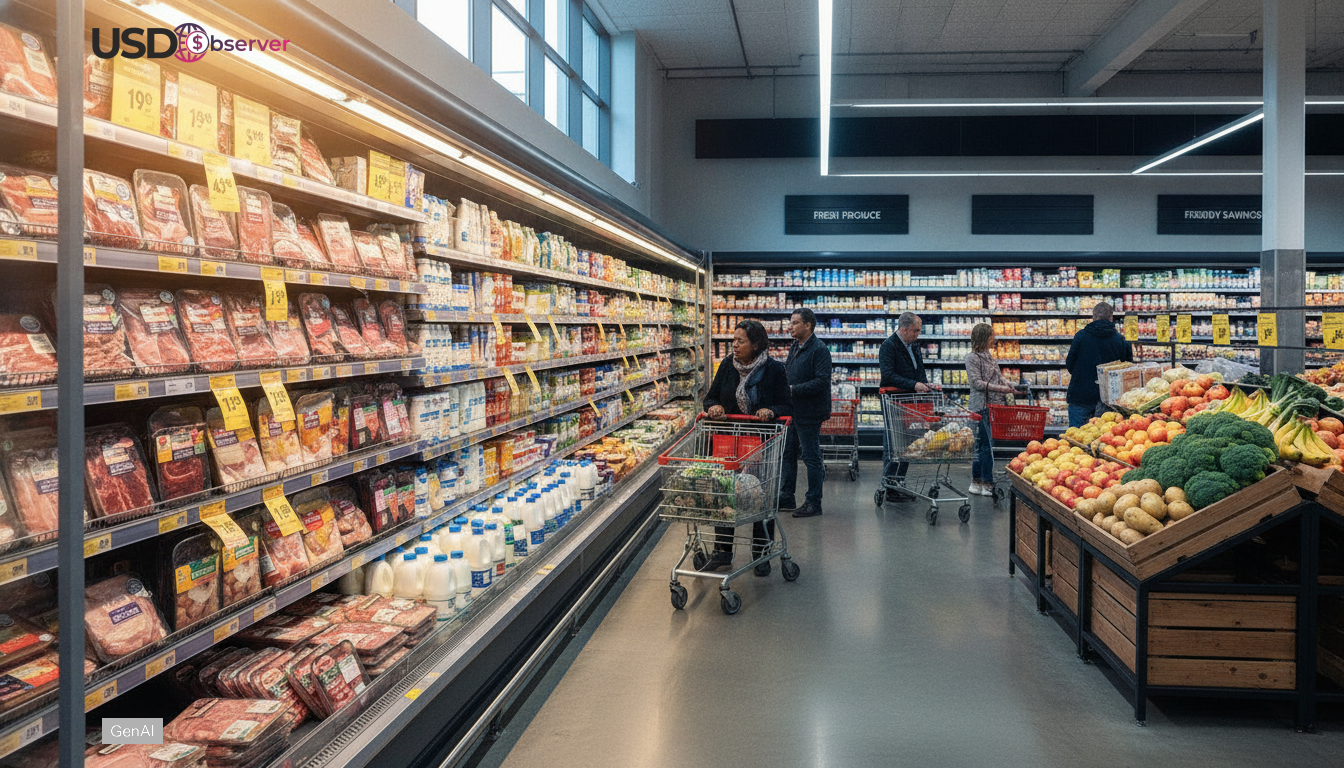
Food has been central to the surprise because its trajectory is visible in weekly shopping bills and can shift sentiment quickly. According to reports cited from the BBC, the inflation rate held steady while food price rises slowed, suggesting a mix that points to easing in groceries but stickiness elsewhere in the basket, as detailed in Inflation unexpectedly steady as food price rises slow. In an inflation uk 2026 outlook, petrol is another swing factor because pump prices can feed into commuting costs and delivery surcharges. For a market lens on how rates can ripple through pricing and payments, see Visa vs Mastercard Stablecoin Rails: Who Wins Next? in discussions that link financial conditions to consumer pricing.
What economists read into the ONS breakdown
Economists often focus on what the ONS breakdown implies for persistence rather than the headline itself, because services inflation can reflect lagged wage settlements and rent resets. Analysts cited by BBC reports indicated that slower food inflation is encouraging but does not guarantee a smooth descent in the overall rate, given price-setting behavior in hospitality and regulated items. That mix can keep attention on whether tight labor conditions cool without a sharper slowdown in activity, a debate sharpened by global comparisons in an inflation uk 2026 outlook. For context on how other central banks respond to sticky components, compare Japan policy signals in Bank of Japan rate hike hits highest level in 31 years.
Household and business impacts: budgets, wages, and confidence
The steadiness in inflation can transmit into the real economy through confidence, borrowing costs, and public-finance assumptions. In an inflation uk 2026 context, if markets interpret the data as implying later or shallower cuts, mortgage rates may stay higher for longer, which can weigh on discretionary spending even if nominal pay is still rising. Companies facing uneven input costs may hold back on hiring while still raising prices in services categories, a combination that could mean weaker volume growth alongside continued price pressure. Fuel costs influenced by geopolitics and supply chains remain a key swing channel; one channel is discussed in US-Iran energy deal: how it could move UK fuel prices.
Policy implications through 2026: rate cuts, risks, and scenarios
Policymakers will likely keep communications tied to incoming data, as one steady reading does not establish a trend but can shift risk management. The Bank of England has stated it seeks evidence that underlying pressures are fading, and the ONS release suggests both reassurance on food and warning signals on stickier categories. For planning purposes, in an inflation uk 2026 setting, some businesses are building scenarios that include inflation remaining above target longer than expected into 2026, which can affect contract indexing, inventory strategy, and wage negotiations. For broader context on how growth surprises can complicate rate paths, see US economy in 2025: why growth keeps surprising.