US tariffs expand amid forced labor enforcement
US tariffs are expanding as Washington tightens forced labor enforcement at the border, increasing scrutiny of specific goods and suppliers. The change, as indicated by BBC coverage, signals a broader shift toward using customs tools to police labor risks in cross-border trade. For importers, the immediate impact may include higher compliance costs, more document checks, and a greater chance of shipments being delayed for verification. Companies are responding by reviewing certificates of origin, labor audit files, and traceability records to reduce clearance holds. The policy could also raise operational risk for firms that treated labor screening as voluntary, because enforcement may directly affect market access and delivery timelines.
How US tariffs affect trade, logistics, and USD exposure
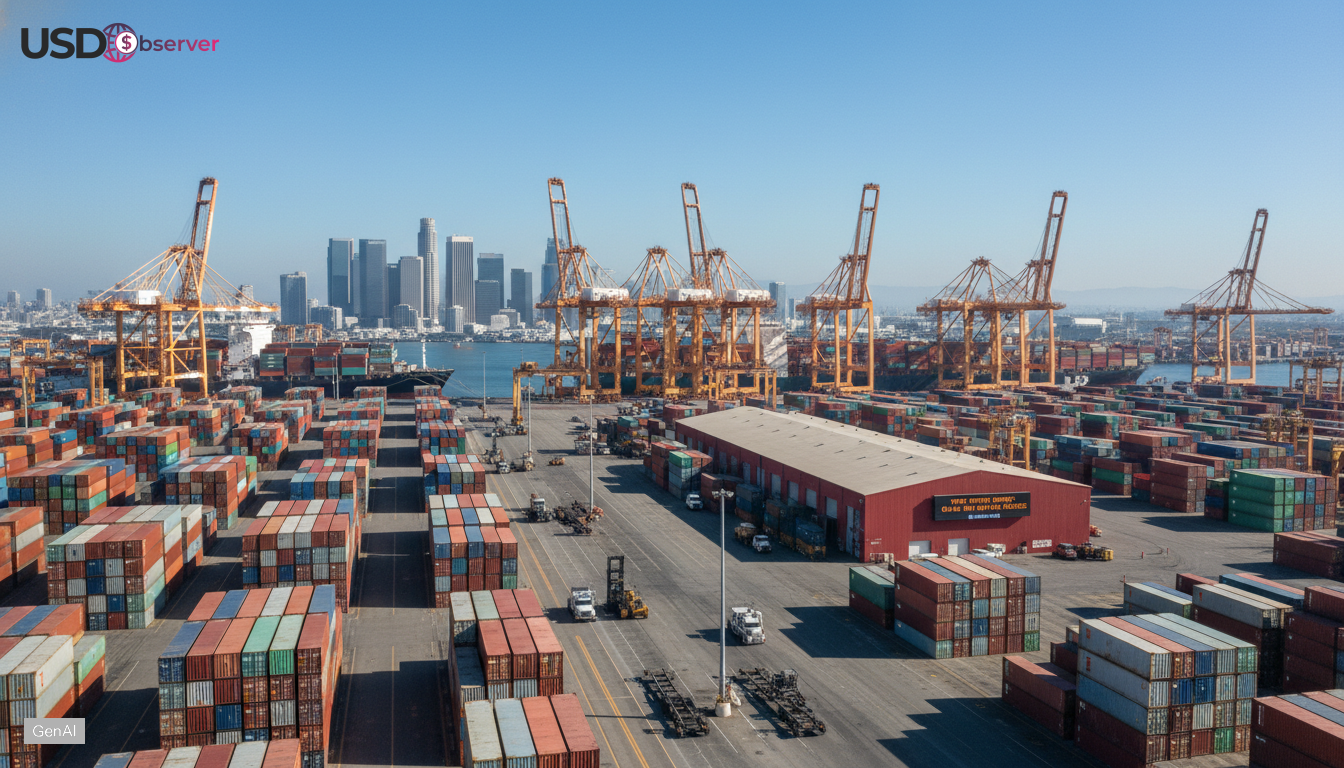
Tariffs tied to labor enforcement can have a substantial impact on freight planning, insurance terms, and working capital as importers adjust to stricter paperwork requirements in US ports such as Los Angeles and Long Beach. According to available reports, procurement teams might recheck supplier declarations and shipment level documentation because customs holds can delay revenue recognition and disrupt cash conversion cycles. In currency markets, added friction could change hedging behavior, including demand for USD as firms price in slower settlement timelines and higher landed costs.
In practice, compliance teams are prioritizing upstream controls, including mapping subcontractors, tightening purchase order terms, and segregating higher risk inputs earlier in production. Logistics providers are also being asked to keep cleaner chain of custody records so importers can respond quickly to questions at the port of entry. As US tariffs become more closely linked to enforcement outcomes, these steps can reduce dispute risk with buyers, but they also add administrative overhead that is often passed back through the supply chain. Shippers might build in larger buffers for transit and clearance to avoid missing contractual delivery windows.
Reactions from affected countries and exporters
Governments and exporters facing tighter entry rules are carefully considering diplomatic and legal responses while trying to keep shipments moving in 2026. In corridors where India-US tariffs are already a sensitive political topic, trade officials can frame compliance as a market access issue rather than a purely humanitarian test. Businesses are pressing for clearer product scope, transition periods, and predictable review timelines so inventory does not get stranded. Some firms are shifting to third party audit programs and chain of custody software to demonstrate due diligence at the factory and subcontractor level. Cross border financial exposure may rise if buyers delay acceptance, and lenders might demand stronger documentation before discounting invoices tied to higher risk routes.
What to watch in policy guidance and legal risk
Tariff enforcement anchored to labor claims can realign sourcing toward jurisdictions with stronger traceability systems. The BBC coverage of the policy move is referenced, and market participants are observing how quickly agencies publish guidance and whether exclusions or licenses are granted for specific categories. Legal uncertainty also persists because US Supreme Court tariffs jurisprudence influences how far executive authority can extend in trade policy design and implementation.
Importers are also updating contracts to clarify who bears responsibility for verification, remediation, and shipment release costs if goods are detained. Some buyers are adding representations tied to forced labor compliance and requiring suppliers to maintain auditable records for a defined period. If enforcement thresholds shift or new categories are added, these clauses might help reduce liability, but they can also strain supplier relationships and raise unit costs. In parallel, firms are monitoring how compliance programs are evaluated across agencies, since inconsistent interpretations could increase the risk of surprise holds, reexports, or canceled orders even when paperwork appears complete.
Long-term implications for supply chains and compliance costs
Over time, labor-linked tariff actions can accelerate the split between low cost production networks and higher assurance supply chains with deeper documentation. Companies that invest in traceability may gain pricing power, while smaller suppliers could be squeezed out if they cannot fund audits or data systems. Related compliance pressure in other domains can be compared with UK banks cyber AI choices grow after Mythos ban, as firms align governance with new oversight expectations. The resulting reallocation affects investment flows, job creation, and where value added steps such as assembly, packaging, and component testing take place. Trade policy that ties market access to labor standards can also influence consumer brands, which may treat compliance as core risk management rather than reputation management.