Nvidia AI chip signals a new push for AI PCs
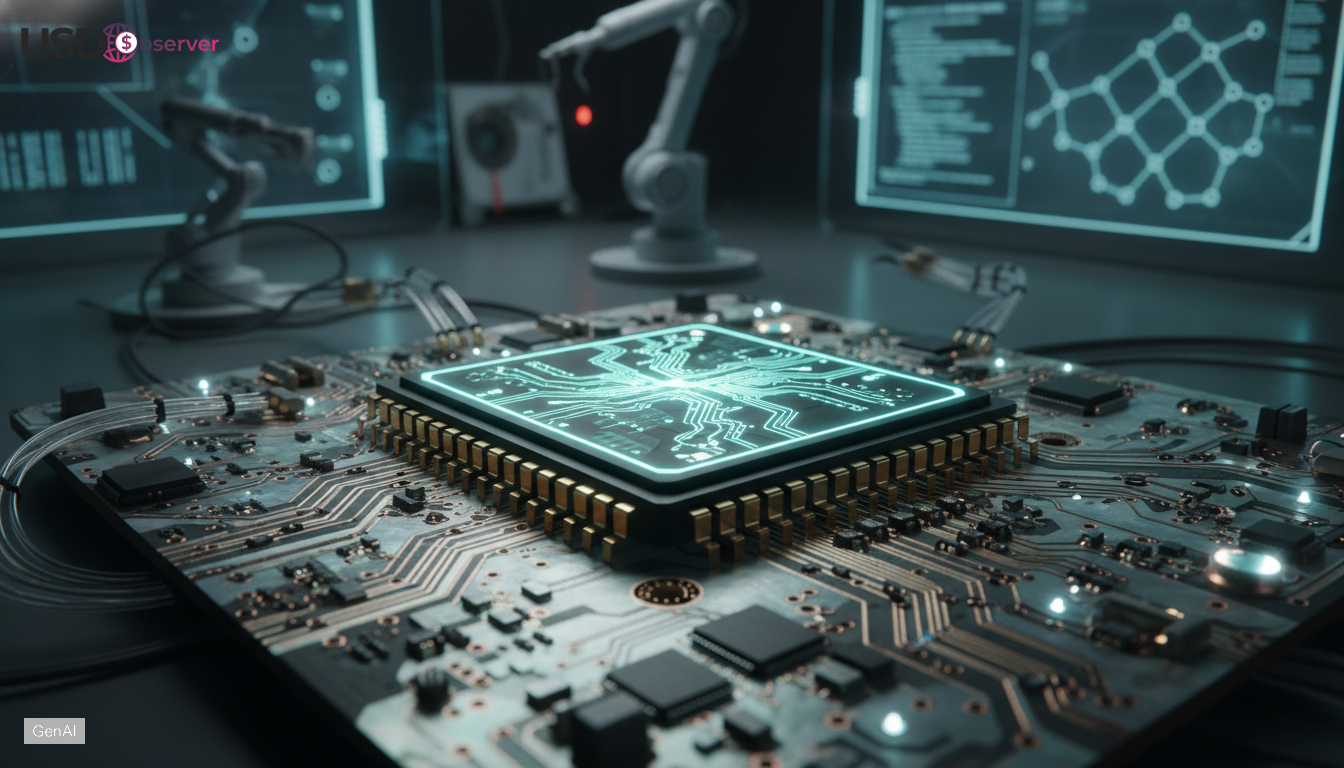
Nvidia has announced a new AI-focused processor design aimed at personal computers, signaling a push to bring inference closer to end users. The move is described as a way to make certain AI features run locally rather than relying on remote servers. The company suggests that the Nvidia AI chip could support sustained on-device workloads that mainstream PC apps may start to demand. Nvidia also emphasized partnerships across the PC ecosystem, including software enablement and developer tooling, as it tries to translate data center momentum into consumer devices. The rollout suggests a near-term agenda for PC makers competing on responsiveness, battery impact, and privacy controls, though real-world outcomes might depend on OEM implementations and software adoption.
What local inference changes for personal computing
The immediate implication for buyers could be a more capable baseline for on-device AI in computing, especially where latency and data handling matter. Nvidia indicated that local processing could reduce round trips to cloud services for some tasks like transcription and image enhancement, while keeping sensitive inputs on the device. For a wider technology context, Liquidity Fears Put Tether and Circle Under Scrutiny shows how infrastructure reliability shapes product expectations beyond chips. Nvidia also mentioned that power management and memory bandwidth are being tuned for client workloads, which is presented as a design choice differing from many higher-wattage accelerators. CoinDesk’s market coverage underscores how compute demand is rippling through technology budgets, as seen in CoinDesk analysis of Strategy’s bitcoin sale signals.
Performance focus for sustained PC workloads
Nvidia’s positioning emphasizes user-perceived responsiveness rather than just peak theoretical numbers. The architecture is described as optimized for mixed workloads where graphics, media, and AI share resources under tight thermal limits. This approach fits a broader trend toward accelerated stacks, as described in How RMBT Fits Into the Rise of AI Powered Infrastructure Economies. Nvidia said the design is intended to deliver more consistent throughput over longer sessions, an issue linked to creative and productivity applications. However, independent benchmarks and OEM configurations will ultimately determine sustained performance. Overall, Nvidia hopes that predictable day-to-day performance will matter more than benchmark claims.
PC ecosystem response and competitive pressure
PC vendors and software firms have indicated stronger interest in dedicated accelerators as new chip announcements continue across the market. Nvidia’s statement emphasized ecosystem readiness, noting that toolchains and libraries are being aligned so developers can target on-device inference without rewriting entire applications. In commentary accompanying the launch, Nvidia executives pointed to growing demand for AI features in creative suites and collaboration tools, where performance bottlenecks can undermine adoption. CoinDesk’s reporting on shifting risk appetites in adjacent markets highlights how quickly sentiment can move when technology narratives change, illustrated by CoinDesk on what Strategy’s sale can and cannot signal. The competitive dynamic is also about platform control, as hardware-level AI capabilities can influence which assistants and services integrate most deeply, though this will vary by OEM strategy and software partnerships.
What to watch next for AI features on mainstream PCs
Nvidia is using this release to suggest that PC technology is entering a phase where AI features become a default expectation rather than a premium add-on. The Nvidia AI chip is framed as part of that shift. The company’s messaging stressed that local inference might enable offline capability, reduce reliance on ongoing cloud usage for certain tasks, and offer tighter control of personal data while still allowing hybrid workflows when needed. These are presented as expected benefits. Nvidia also outlined a roadmap built around broader developer access and consistent deployment across OEM designs, aiming to prevent fragmentation. The market impact will hinge on whether software vendors ship features that clearly take advantage of specialized acceleration, and whether buyers notice the difference in everyday tasks. If adoption follows this expected direction, the Nvidia AI chip and related client accelerators could help make on-device AI feel more native on mainstream PCs.