Shifts in Zimbabwe’s Currency Policy
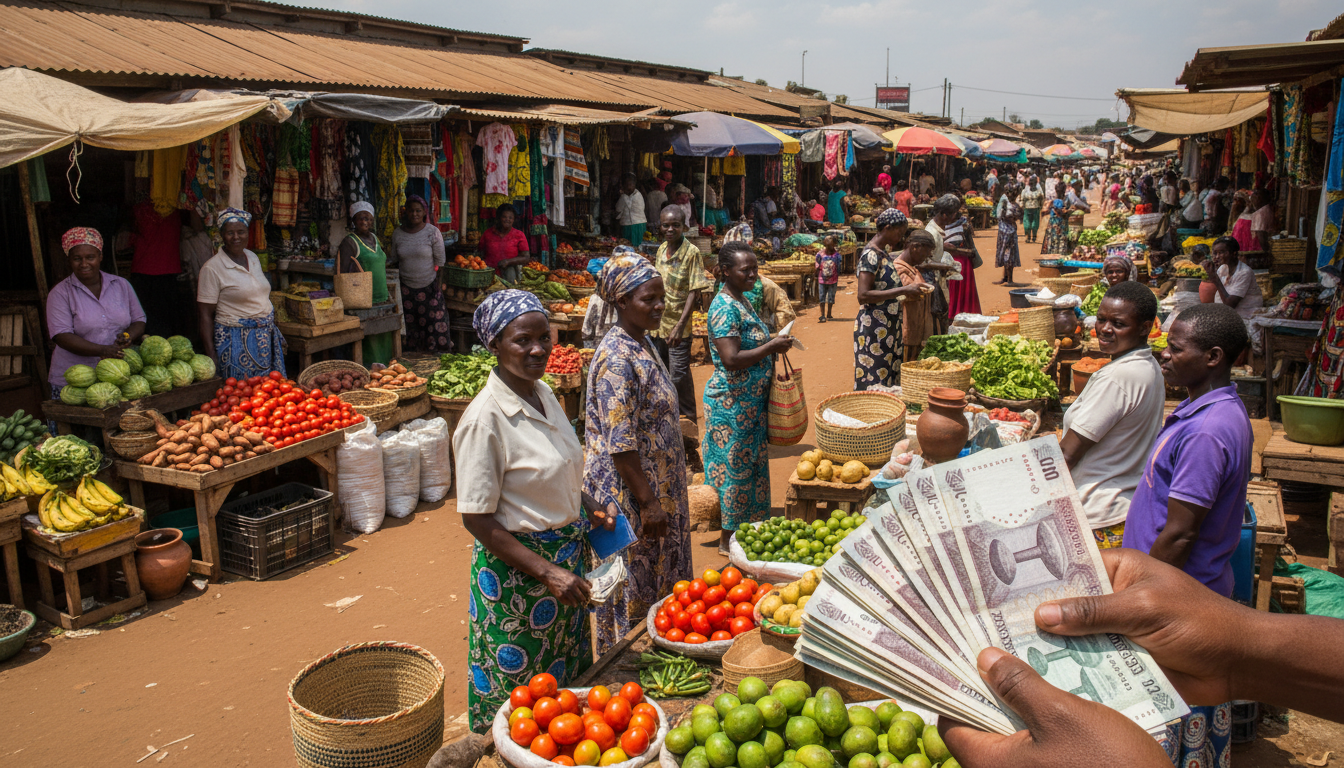
Zimbabwean authorities have initiated a crackdown on the use of the US dollar and other foreign currencies, steering everyday transactions back to the local currency. The Reserve Bank of Zimbabwe has framed this move as a necessary enforcement of existing exchange control rules, intensifying checks by police and municipal teams at retail outlets. This new currency policy appears more like a definitive stance against informal dollarization than a temporary measure. Traders in bustling business districts report facing more frequent inspections, forcing a quicker shift to pricing in local currency. Notably, larger retail chains seem to adapt more swiftly than smaller vendors.
Motivations Behind the Currency Restrictions
Officials assert that the ban aims to bolster monetary sovereignty and stimulate demand for the local currency in day-to-day transactions. The central bank emphasizes this point in its public communications. They aim to curtail the purchasing power that comes with cash USD in street trade, integrating transactions into monitored channels. For those observing cross-border USD liquidity, a helpful angle can be found in Stablecoins as DeFi Safe Havens Under Market Stress. Market analysts indicate that the policy also targets the widening gap between official rates and cash rates, exacerbated by the dominance of foreign currency. Reports from Harare highlight that enforcement appears most stringent in areas heavily reliant on cash, with local business organizations expressing uncertainty regarding potential penalties.
Immediate Economic Effects
The short-term economic ramifications depend heavily on suppliers’ ability to restock without resorting to foreign cash, as well as consumers’ capacity to obtain local currency at stable rates. Business operators have indicated that imported goods are frequently priced in USD, making the abrupt enforcement of these rules likely to disrupt supply chains, even when demand remains constant. In this context, the Zimbabwe currency policy may lead to a temporary increase in price variability as merchants experiment with new pricing. Transport and fuel costs will likely remain sensitive to fluctuations in exchange rates; for insights on how such policy maneuvers influence FX positioning, refer to U.S. Dollar Index shifts as traders price Fed path. Currently, informal money changers report downturns in street volumes, an assertion complicated by a lack of official data. Observers outside Zimbabwe primarily monitor the impact on regional settlement behaviors rather than tracking direct USD pricing.
International Responses to Zimbabwe’s Decision
Globally, the response has been subdued, primarily because Zimbabwe constitutes a small fraction of worldwide dollar demand. Nonetheless, the situation is analyzed as an important case study on governmental responses to entrenched dollar usage. Economists affiliated with multilateral institutions often link high inflation trends with persistent dollarization, advocating for credibility and fiscal discipline as essential elements for sustainable change. The BBC underscores the potential for policy shifts to affect confidence across markets, offering key insights on heightened sentiment in UK growth forecast upgraded by IMF but risks remain. In discussions among foreign investors, the currency policy emerges as a compliance issue, raising concerns over currency convertibility. Updates from Africa-focused desks highlight complexities faced by exporters and NGOs working in the region.
Prospects for Zimbabwe’s Economic Future
The outlook in the near term hinges on consistent enforcement protocols, transparent rating mechanisms, and the capacity of authorities to sustain sufficient liquidity for legitimate transactions. The credibility of the central bank will be scrutinized based on how swiftly businesses can secure local currency for operational expenses, taxes, and supplier payments without reverting to street conversions. Analysts will keep an eye on the expansion of formal electronic payment systems, which could mitigate cash dependency even with restrictions on foreign notes. Currently, finance leaders in the region indicate they will monitor delays in settlements and invoice disputes as initial signs of tension. Real-time assessments of shop pricing and cross-border remittance flows will serve as the best practical indicators, overshadowing mere official statements. An update from economists is expected to focus on whether the local currency can increase its transactional role without reigniting inflation concerns.