Current Trends in the Dollar Index
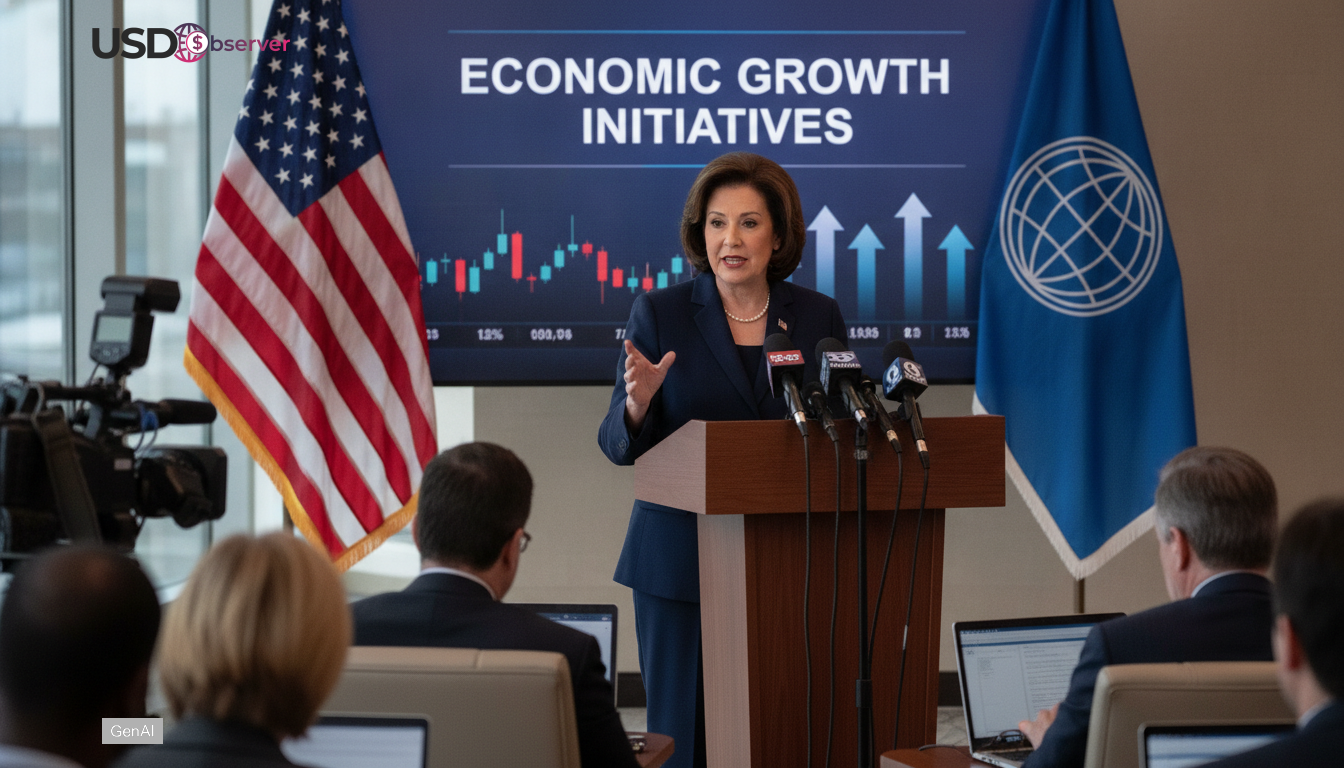
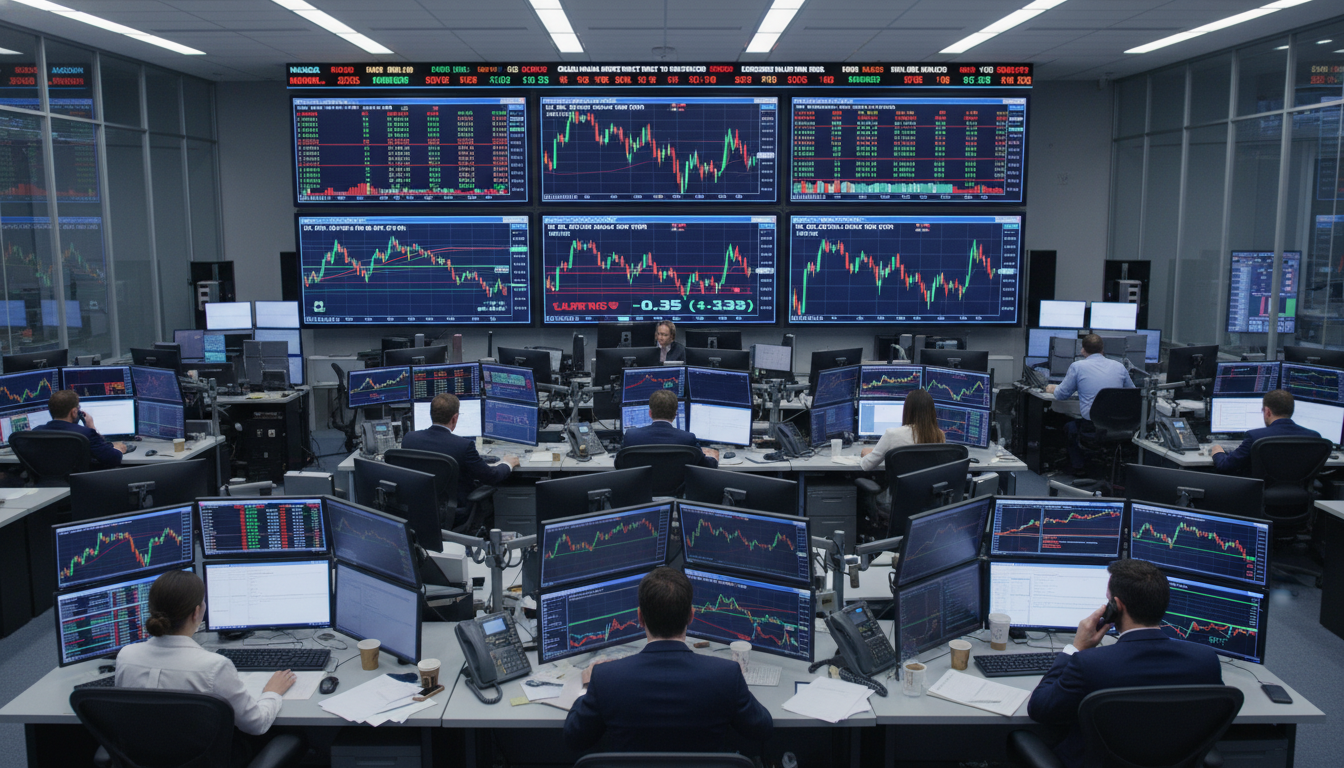
Trading desks are treating price action as a fast-moving risk gauge rather than a slow macro barometer. In the middle of the session, traders compare spot moves with futures positioning, and the United States Dollar Index is being watched alongside rate pricing and liquidity conditions. Today, market participants also track a Live stream of rate expectations through Fed funds futures and the U.S. Treasury curve, which CME Group publishes in its contract data and implied probabilities. The intraweek narrative is less about a single headline and more about how quickly bids appear when volatility rises. An Update from options markets often matters as much as any central bank commentary.
Impact on Global Forex Markets
Moves in the us dollar index are rippling across majors and EM pairs as hedging demand resurfaces when yields shift. Today, cross-asset desks watch FX correlations with equities and commodities, while swap desks mark a Live read of funding costs that can pressure high carry exposures. For context on the political risk channel hitting sterling, UK borrowing costs and pound move in BBC coverage of UK market volatility provides a useful reference point. Separately, an Update from crypto linked liquidity can spill into spot FX when stablecoin flows change risk appetite; Binance sees $2.2B USDT inflow as traders shift is a relevant market snapshot. Dealers stress that transmission is fastest in EUR/USD and USD/JPY because they anchor global pricing.
Key Drivers of USD Strength
USD strength is being driven by relative growth expectations, real yield differentials, and the market’s confidence in policy staying restrictive for longer. A central piece is how traders interpret each Fed communication against incoming data and the path implied by interest rate futures. In the middle of the day, the United States Dollar Index can react sharply when Treasury auctions clear at higher yields, because global reserve managers and macro funds recalibrate hedges. Today, US Dollar decline in 2025 causes and impact offers a broader frame on downside scenarios that can unwind these supports, while an Update in positioning often shows up first in short-dated options skew before it appears in spot. Liquidity also matters, thin conditions can exaggerate the impulse from otherwise modest data surprises.
Historical Performance Insights
Recent sessions are being evaluated against prior episodes when the dollar’s rally phase coincided with tighter global financial conditions and weaker risk sentiment, including the 2022 surge tied to aggressive Fed hikes. The historical lens traders apply is not about cherry-picked peaks, but about how quickly the index reverses after policy expectations shift. In the middle of that comparison, dollar analysis focuses on whether momentum stalls near widely watched technical levels and whether breakouts are confirmed by breadth across G10. Live monitoring of correlation regimes is common, because a strong dollar can behave differently when equities are rising versus falling. Today, desks also run an Update checklist on realized volatility, as compressed vol can precede abrupt repricing. Analysts emphasize that history is most actionable when paired with current rate differentials and funding spreads, not when treated as a stand-alone forecast tool.
Future Outlook for the Dollar Index
The near-term outlook is being set by how quickly inflation progress translates into policy easing expectations and whether global growth remains uneven. In the middle of forward pricing, the United States Dollar Index tends to strengthen when U.S. data surprises to the upside relative to Europe and parts of Asia, because carry and safety demand reinforce each other. Today, traders keep a Live focus on upcoming data releases and auction calendars, since timing can concentrate volatility into narrow windows, including 10-year Treasury supply days. An Update in geopolitical risk can also redirect flows, but markets typically demand a rates channel to sustain multiweek trends. Strategists say the cleanest signal will be a sustained repricing in real yields, because that is where FX hedging costs and portfolio allocation decisions converge across forex markets.