Current Trends Influencing the Dollar
Trading desks opened today with a distinct split in risk pricing across rates and equities. Short-dated Treasury yields are taking the lead in driving the greenback’s direction, as traders adjust their expectations regarding forthcoming policy changes. The dollar index is notably responsive to intraday shifts in real yields and the manner in which investors retreat from rallies following US data releases. A live view of pricing indicates thinner liquidity during key data windows, which amplifies volatility in major pairs. Market participants are noting that positioning feels reactive rather than rooted in conviction, implying that upcoming macro releases could quickly alter the market’s tone. Volatility is being managed, not chased.
Impact of Global Economic Factors
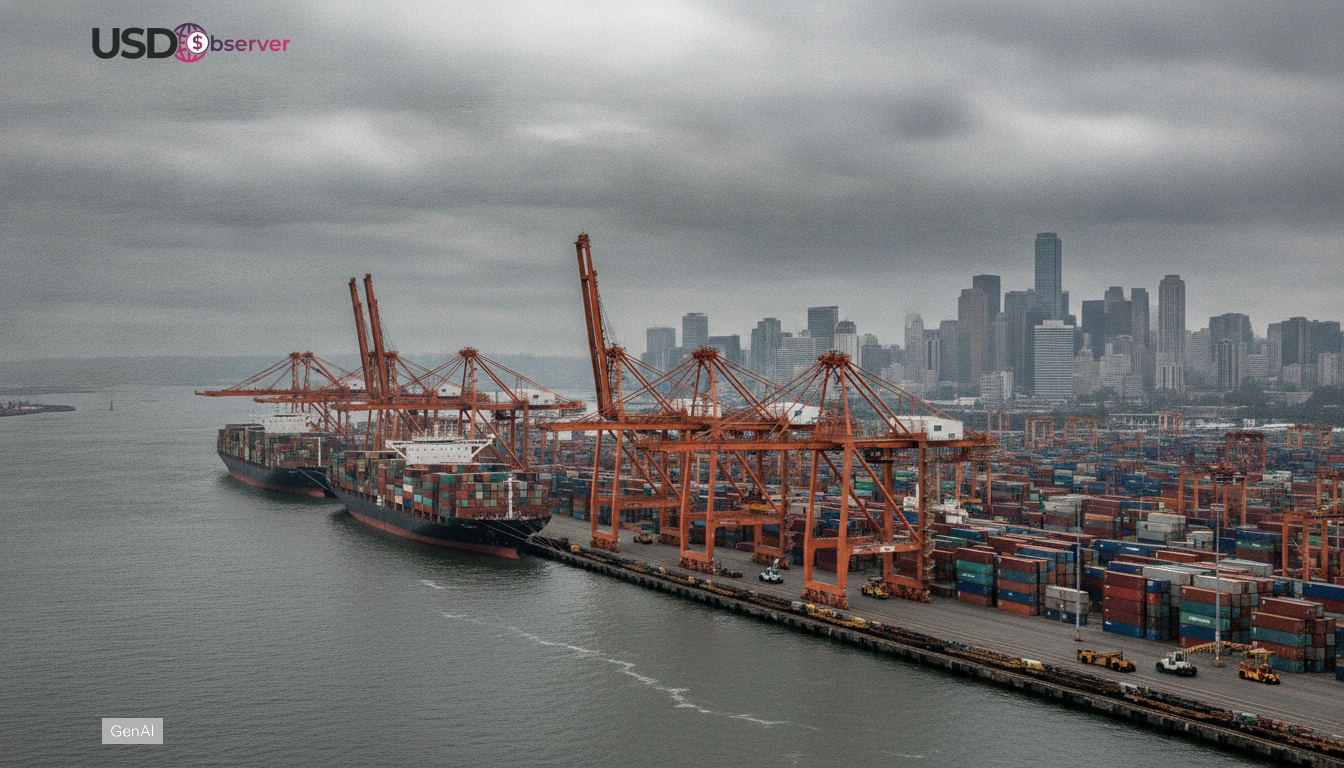
Outside the U.S., dynamics such as energy costs, trade flows, and unexpected growth continue to influence the FX landscape. Today, global economic variables are re-evaluated through commodity channels and shipping expenses, which can change import inflation perceptions and adjust relative rate expectations. The live impact is particularly evident when data from Europe or Asia alters demand for dollar funding, subsequently affecting G10 currencies. For insights on how stablecoin plumbing might create additional demand for dollar liquidity during periods of risk, see Stablecoin Growth Brings New Risks for Markets Now. Additionally, updates to U.S. labor momentum can influence safe haven bids, as corroborated by BBC coverage of U.S. jobs data. Retail search noise, such as ‘lidl near me’, proves irrelevant to FX pricing.
Role of Federal Reserve Policies
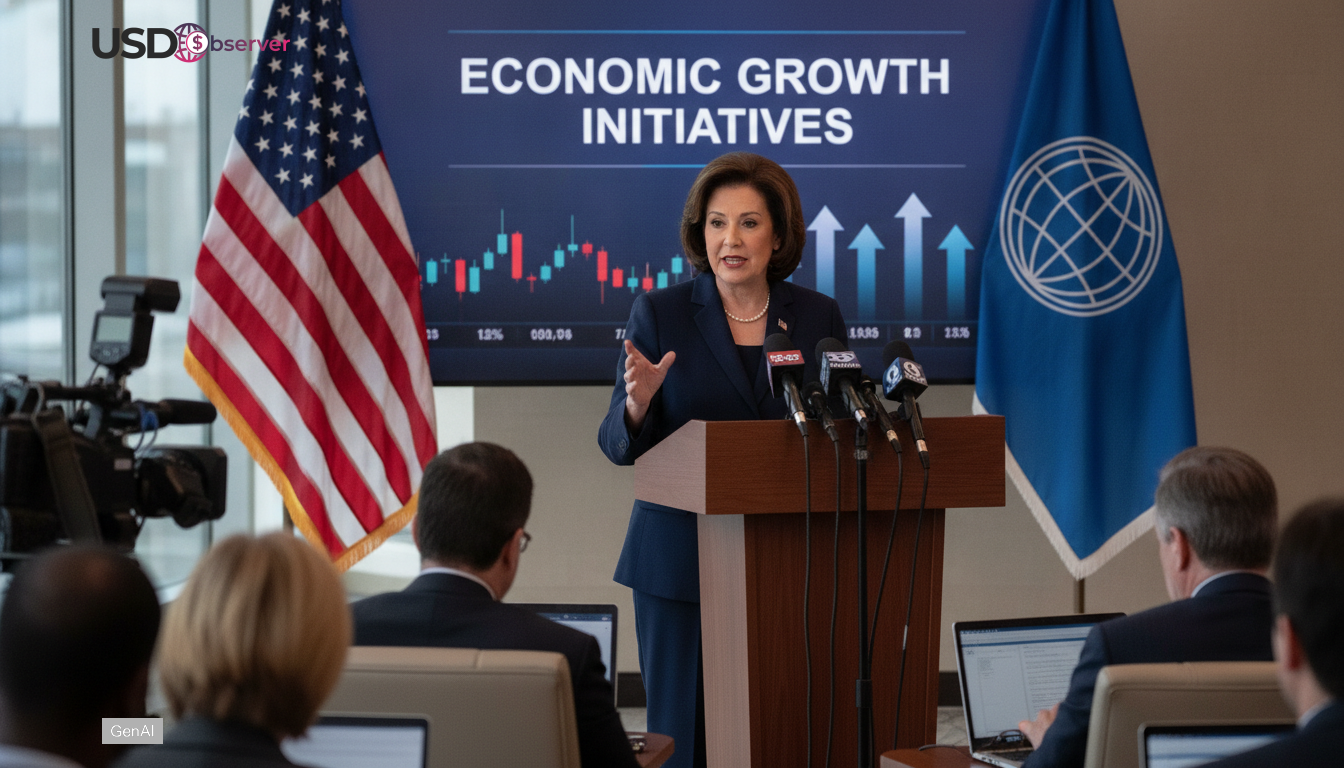
The communication from the Federal Reserve remains a vital signal that traders interpret for term premia. Currently, the market is weighing not just the policy rate trajectory but the pace at which the balance sheet is unwinding, given that Treasury supply affects funding conditions. Mid-session, the dollar index can react more strongly to anticipated rate cuts than to the effective rate level itself. A live reading of futures pricing tightens when officials emphasize data dependency and loosens when inflation is framed as uneven. For a deeper exploration of how perceptions of relative growth bolster the currency, read US Economic Exceptionalism Lifts the Dollar in FX. Each update to the Summary of Economic Projections can swiftly reprice the front end market.
Forex Market Reactions and Predictions
In the forex markets, the most immediate response arises from rate differentials, followed by risk sentiment and the cleanup of positioning. Traders today are scrutinizing whether USD strength is broad-based or confined to high beta crosses, as this indicates whether growth concerns or yield support are driving the movement. When the market sentiment shifts defensively, a live bid often manifests first in USDJPY and funding pairs before moving to commodity-linked currencies. The CAD to USD relationship serves as a real-time gauge for how oil-linked flows interact with North American rate spreads. An update adjusting crude pricing or unexpected Canadian data can pivot the pair significantly, even amid quiet U.S. data. Dealers remain cautious regarding gaps in liquidity.
Long-term Outlook for the Dollar Index
Considering the horizon beyond upcoming data releases, the ongoing structural debate involves relative supply, productivity, and reserve preferences. Long-term investors are monitoring whether fiscal issuance attracts steady foreign demand or if higher yields are necessary to clear the market—a dynamic that could support the currency even amidst slowing growth. The trajectory of the dollar index is contingent on whether the U.S. maintains an edge in earnings and productivity while other regions confront tighter financial conditions. A live examination of cross-border flows is essential, as hedging costs can suppress foreign interest in U.S. assets, even with rising nominal yields. Changes in trade policy can significantly affect this outlook, with additional context available at New US Tariffs and Their Implications for Dollar FX. Long-term, effective volatility management remains crucial.