Evaluating the U.S. Dollar’s Global Role
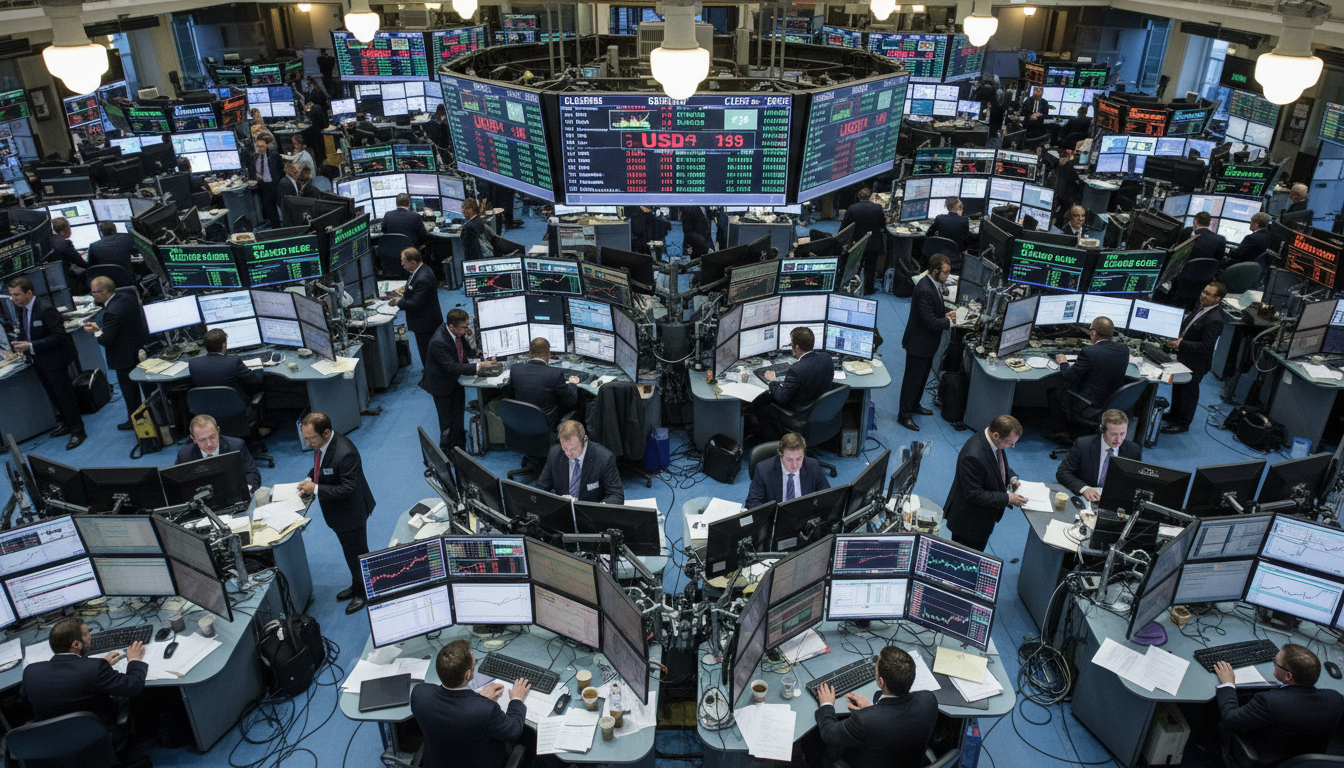
In today’s interconnected landscape, central bankers and corporate treasurers monitor dollar funding costs closely, akin to how they assess geopolitical risks. Traders keep a keen eye on swap spreads, cross currency basis, and demand for short-term bills to pinpoint emerging stress points. The presence of U.S. dollar dominance is unmistakable, evident in commodity pricing and robust dollar clearing activities. As highlighted in the Federal Reserve’s May 2024 Financial Stability Report, the Treasury market acts as an essential buffer for global liquidity. Notably, large custody banks report ongoing strong usage of dollars for managing collateral and margins, underscoring the dollar’s operational significance across borders.
Key Pressures on Dollar Dominance
Real pressure points exist, stemming from trade politics, sanctions, and the movement toward settling transactions in non-dollar currencies. CNBC noted that discussions about reducing reliance on the dollar are intensifying, even though the greenback remains a critical reference for pricing and settlement. Today’s dialogue is less about outright dollar replacement and more about minimizing exposure to dollar-centric vulnerabilities. Observations on stablecoin infrastructure illustrate this: Tether and Circle Duopoly Squeezes Stablecoins reveals dollar-linked tokens competing to meet cross-border demand without undermining the dollar itself. An update from the IMF’s COFER disclosures often informs reserve managers regarding diversification efforts, though liquidity and legal certainty still anchor portfolios.
Influence on Global Financial Markets
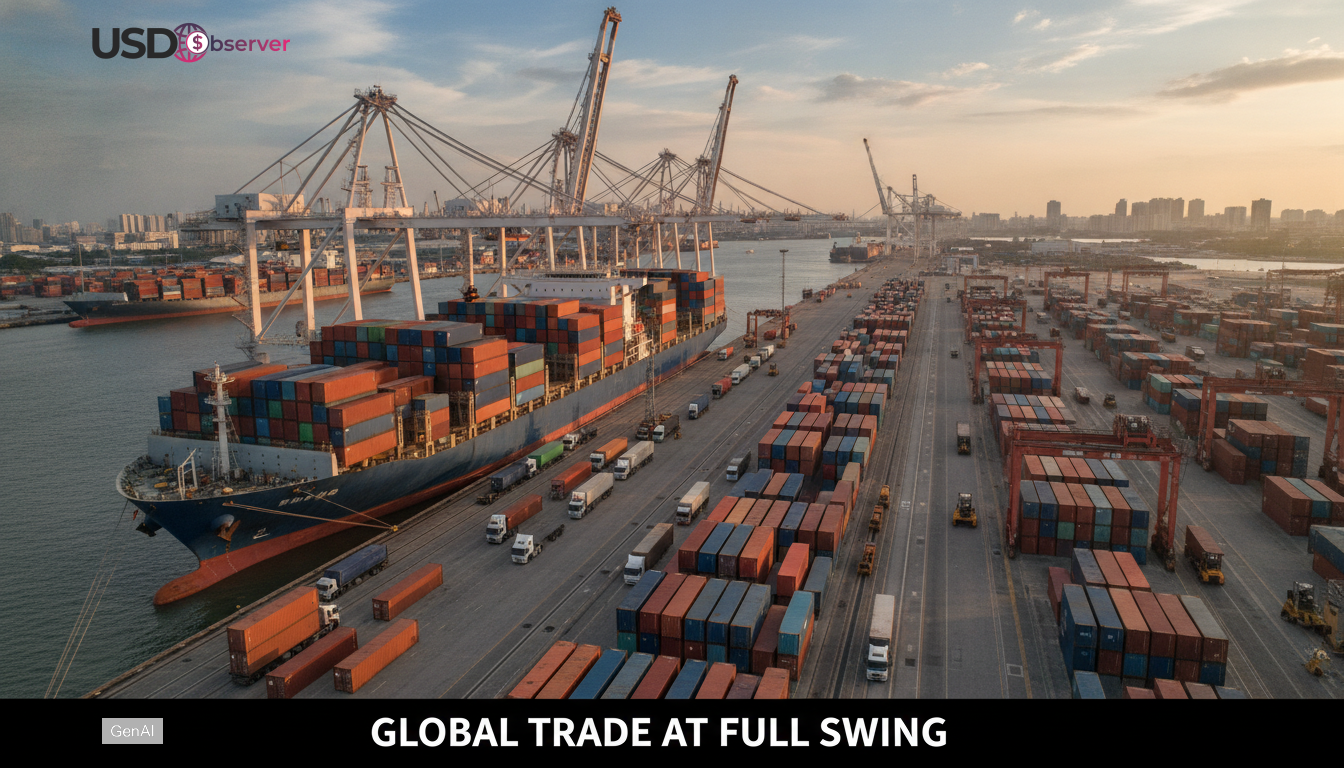
The dollar’s impact is most apparent in currency trading, particularly when risk sentiment shifts and funding demand concentrates on highly liquid instruments. Dealers are particularly focused on changes in hedging costs for borrowers who issue dollar-denominated debt but earn in local currencies; these shifts can tighten financial conditions rapidly. The Bank for International Settlements has consistently examined how dollar credit outside the U.S. propagates shocks through bank balance sheets and derivatives, amplifying volatility in financial markets. Fluctuations in energy and shipping can also affect FX expectations when unexpected inflation alters rate paths; for instance, the BBC’s coverage of oil profits alongside war impacts underscores a channel that can bolster the dollar in times of stress: Shell profits surge amid Iran war impact.
Emerging Alternatives to the U.S. Dollar
Alternative currencies are developing capabilities but still lack the scale necessary to rival the dollar in custody, repo, and settlement. In current markets, euro and yen liquidity can manage substantial flows, yet many businesses continue to default to dollar invoicing for international supply chains. Experimentation occurs at the fringes, using local currency swap lines, bilateral trade settlements, and tokenized cash instruments aimed at reducing fees and timing issues. The dominance of the U.S. dollar remains challenging to displace, especially in contexts where collateral standards and legal enforceability take precedence over political rhetoric. A practical update is shown by payment firms enabling stablecoin or bank transfers in emerging markets, illustrating how users often blend systems rather than transitioning entirely; Bitget Pay launches QR scan feature demonstrates the need for quicker settlements layered atop dollar transactions.
Outlook for the Dollar’s Future
The near-term outlook for the dollar hinges on a few critical factors, including U.S. fiscal policy, inflation trends, and market structure reforms that could either strengthen or undermine its role as a reserve currency. Investors are currently pricing in how shifts in election year policies might impact sanctions and the appeal of dollar assets; Treasury liquidity continues to be a focal point. Even with gradual diversification in invoicing or reserves, U.S. dollar dominance remains vital. The Federal Reserve’s standing repo facility and international swap lines are crucial mechanisms that can stabilize funding during periods of acute stress, lending support to day-to-day confidence. Ultimately, the system rewards the deepest liquidity pools, ensuring that while the dollar faces intensified political scrutiny, it retains its operational supremacy, with each update measured in financial spreads rather than empty slogans.