Analyze Current USD Strength and Global Trade
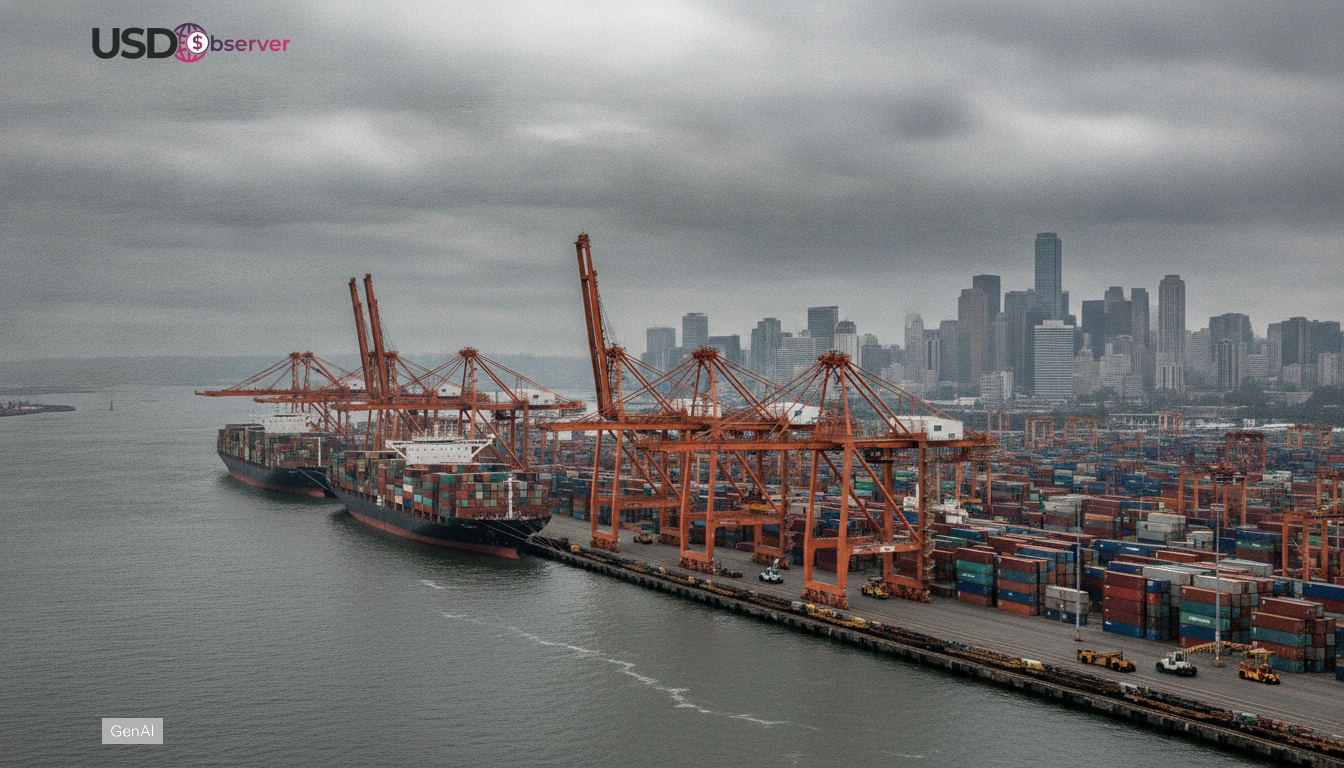
Currency desks started the day with the dollar maintaining strength, as investors closely monitored yield differentials across major markets. Forward contract pricing reveals that importers are rushing to secure costs, while exporters face a dilemma: should they hold onto dollar receipts for a while longer? As global trade invoices, shipping, and raw materials recalibrate against the robust greenback, the pressure is palpable. A recent update from the Federal Reserve heightened focus on policy continuity, with traders leaning on Fed communications for short-term expectations. Moreover, this morning’s transactions demonstrated a pronounced demand for hedging among companies selling in euros or yen but incurring costs in dollars, intensifying immediate USD strength.
Impact of Interest Rates on Global Market Shifts
Rate adjustments are catalyzing shifts across credit, commodities, and equities—not merely FX. This ripple effect is becoming evident in corporate pricing strategies. The BBC highlighted the pressure on energy sector profitability amid escalating conflicts, as illustrated by Shell’s financial outcomes. This is significant—traders see it as a barometer for input costs affecting supply chains; see BBC analysis of Shell profits and Iran war impact. Companies exposed to energy and logistics costs indicate price adjustments that extend beyond their domestic markets, all while financing remains a costly endeavor. Additionally, real-time movements in rate futures have altered discount rates impacting retailers and shippers, with recent statements from central bank representatives shifting global market sentiment from risk-on to a more defensive posture.
Key Factors Driving USD as a Reserve Currency
Despite increasing volatility, reserve demand continues to act as a fundamental support system, largely due to the liquidity and framework for settlement, which remains dollar-centric. Today, some corporations underscored the need for dollar liquidity, citing faster settlement processes and pilots for tokenized cash management. This sentiment echoes in a recent partnership between Mastercard and Yellow Card to enhance stablecoin payments in the EEMEA region. Meanwhile, global trade counterparties persist in favoring USD invoices for sizeable commodity and freight contracts, tightening liquidity requirements for non-U.S. buyers. The collateral demands from banks, shaped by the depth of the US Treasury market, have reinforced this trend, and another policy update has kept the focus on inflation credibility as a crucial driver of reserve asset dynamics.
Trade Implications of Recent Geopolitical Tensions
Current geopolitical tensions are translating into heightened shelf prices and reconfigured sourcing routes, compelling multinationals to rethink regional pricing strategies. For instance, Reuters has reported that fashion retailer Next intends to raise prices by as much as 8% outside Europe, a direct consequence of increased costs linked to the Iran conflict. This illustrates how quickly conflict-driven inputs can affect consumers. In today’s corporate risk meetings, global trade online platforms have become vital, allowing brands to adjust prices by geography and currency with a pace unmatched by physical catalogs. Procurement teams are keeping a close watch on freight insurance and fuel surcharges, noting the thinning of market liquidity as risk headlines emerge. An update from risk desks indicates that even companies not directly affected may find themselves contending with currency-induced margin pressures.
Future Outlook for USD and Global Trade Relations
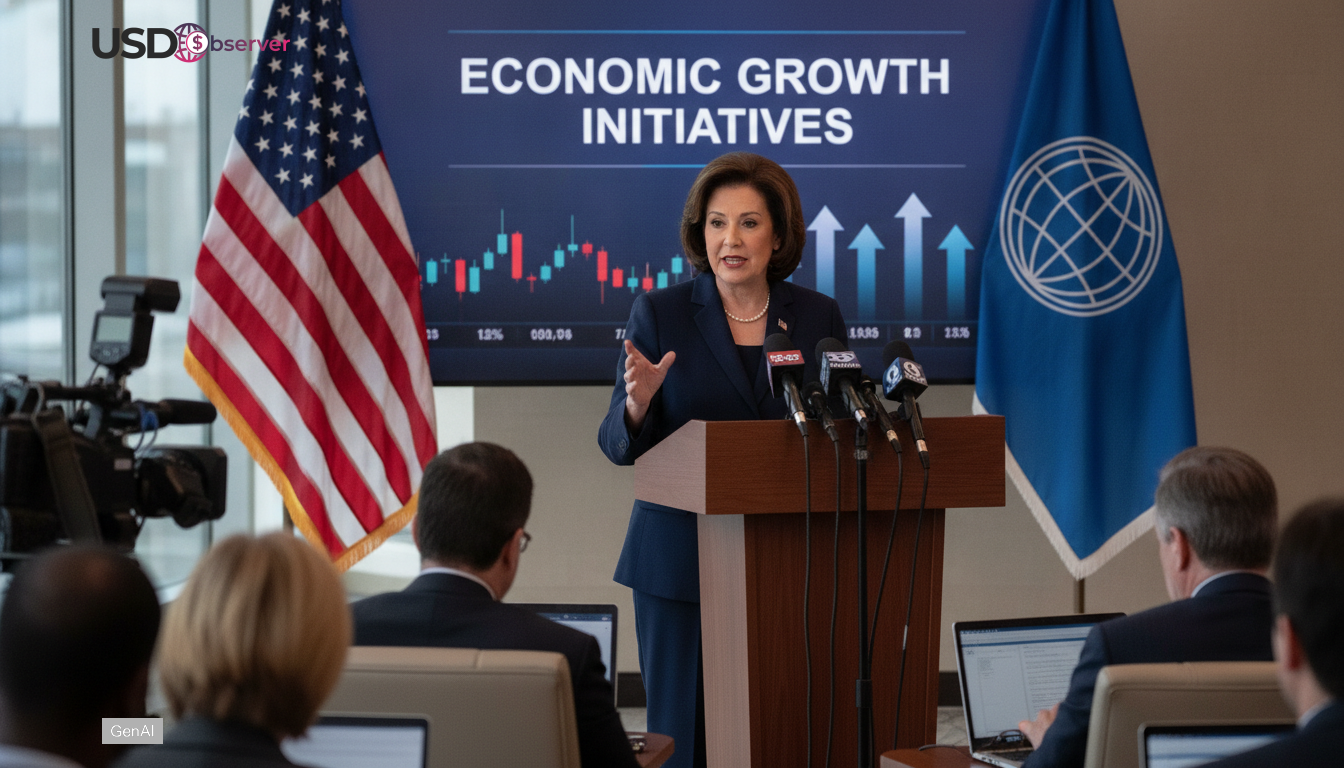
The future trajectory hinges on the timing of potential rate cuts—whether they materialize gradually or abruptly will significantly influence hedging costs and cash flow strategies worldwide. Treasury teams are relying heavily on internal analytics to assess how long the dollar’s tightening might persist. They reference the insights found in Dollar Dominance Monitor, Reserve Currency Analysis for a deeper understanding of reserve dynamics. Global trade participants are modeling scenarios predicting an environment where USD strength wanes, but does not entirely vanish. This situation will inevitably skew pricing power unevenly between import-heavy and export-dominant economies. Expect live indicators, such as cross currency basis swaps, to provide a more accurate snapshot of near-term behavior than any long-range forecasts. What really matters from the latest update from central bankers is whether it alters funding conditions for inventories and shipping, rather than merely influencing market sentiment.