Impact of Rising Jet Fuel Prices on Airlines
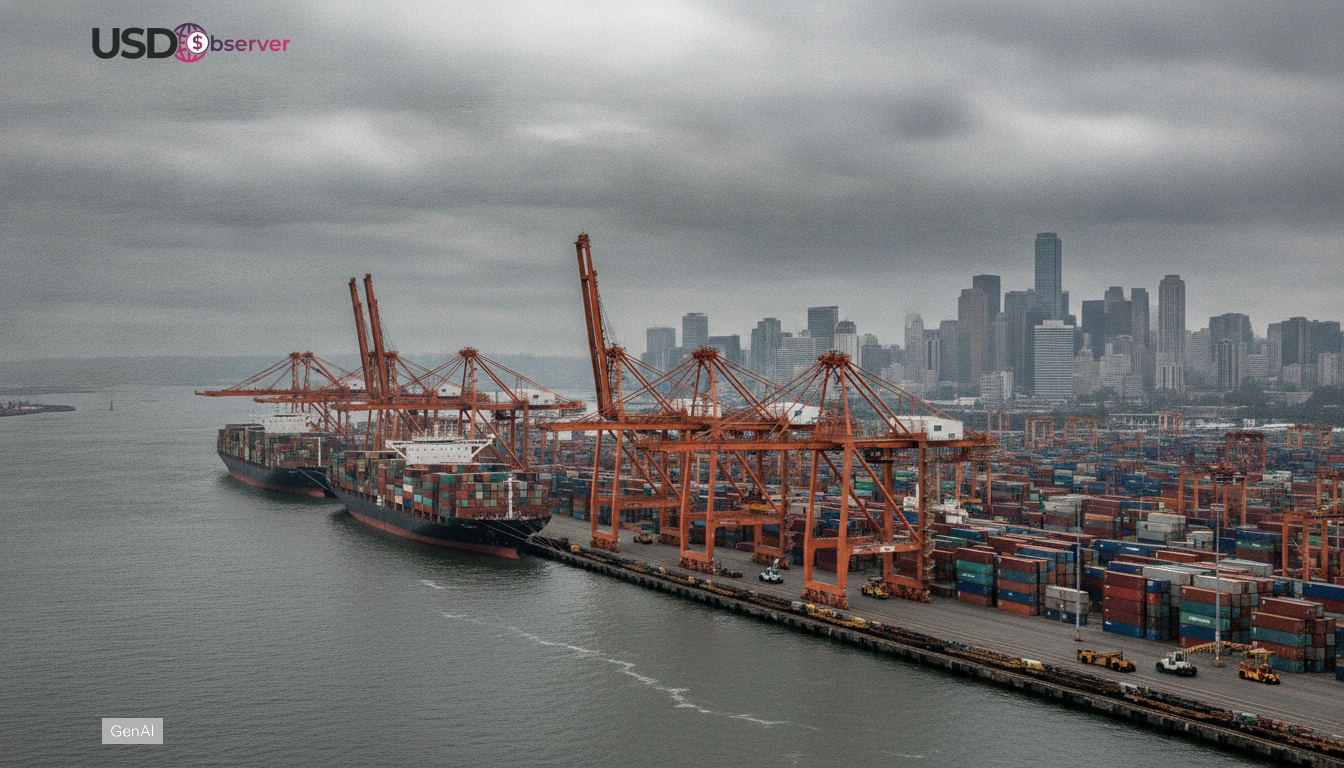
Airline finance teams are in a state of recalibration as jet fuel prices fluctuate dramatically across major hubs. This volatility forces rapid adjustments in both short-haul and long-haul pricing strategies. Today, carriers are turning to fuel surcharges and more stringent capacity planning to mitigate margin erosion while avoiding demand shocks. A midday operations update from various European operators pointed to the airlines jet fuel shortage as a significant factor behind soaring spot prices and widening spread between airports. Procurement desks are now monitoring refinery outages, shipping delays, and regional inventory disparities in real time, while revenue managers are constantly adjusting fare buckets. The immediate challenges include not just rising fuel expenses, but also the uncertainty that complicates effective hedging and undermines schedule reliability.
Global Flight Cancellations and Adjustments
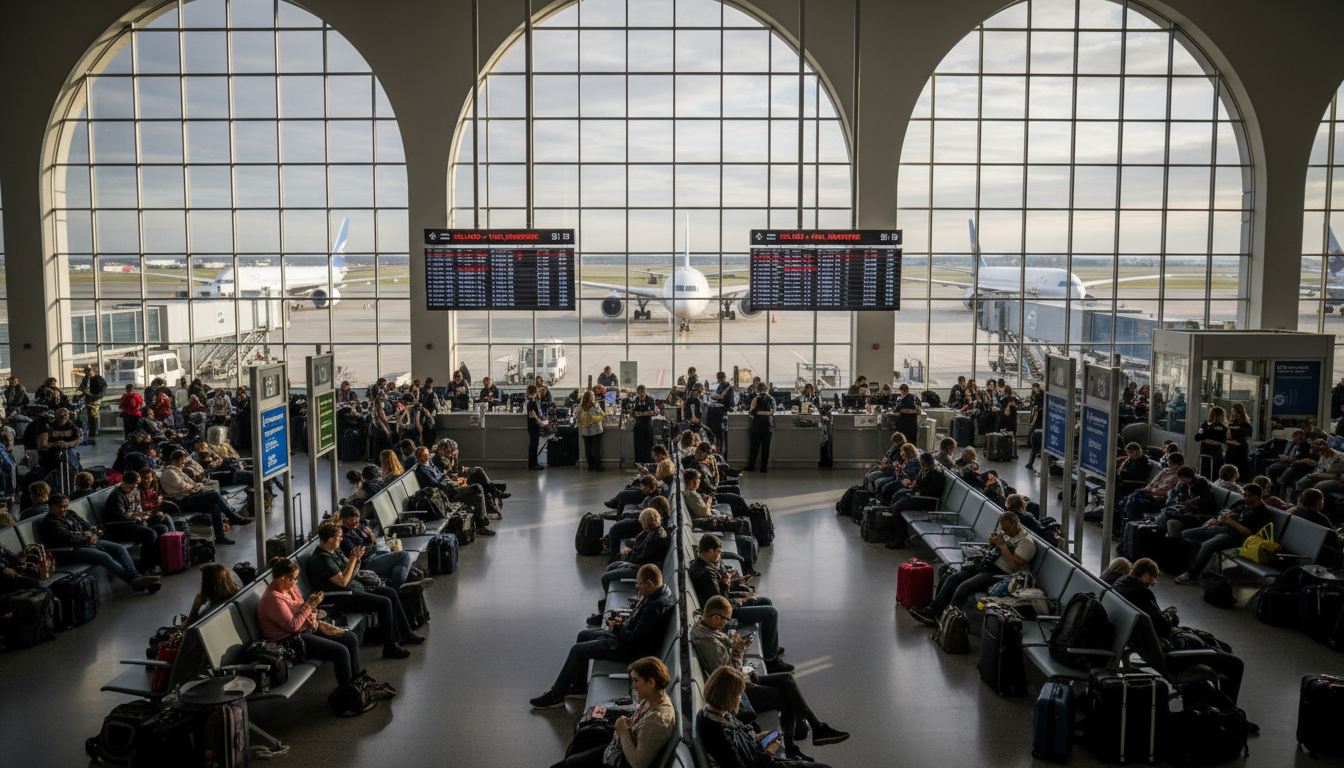
Airports and airlines are striving to mitigate panic cancellations, even when fuel logistics are tight, as passenger behavior can lead to unnecessary disruptions. Current consumer guidance stresses the importance of maintaining bookings unless a carrier indicates a change, given that most scheduling shifts are managed through rebooking and compensation protocols. A recent BBC report on Shell profits and oil market moves linked the recent volatility in energy prices to geopolitical risks, which directly impact jet fuel costs. In another finance livestream, traders noted broad shifts in risk appetite, also resonating with movements in Bitcoin nears $96K as institutions absorb supply, which form part of the overarching macroeconomic environment. An airline operations update circulated to travel agents focused on proactive measures like reroutes and aircraft swaps to maintain core route functionality.
Economic Consequences for the Travel Industry
Higher fuel prices are already seeping into hotel occupancy rates, airport retail forecasts, and tour operator cash flows as travel budgets tighten. Analysts at IATA have reiterated that fuel represents the largest operational expense for airlines, meaning sustained price hikes can drastically alter capacity and fare decisions. When jet fuel prices spike, the subsequent effects include a decline in discretionary trips, weakened demand in price-sensitive markets, and heightened difficulties for regional airports that depend on frequent service. A recent live pricing note from 2026 indicates that corporate travel managers are flagging stricter advance purchase requirements and shifting more bookings to rail where feasible. For airlines exposed to currency fluctuations, a stronger dollar can further escalate costs, a dynamic discussed in USD/CAD Downtrend Deepens as Weak Dollar Outlook Strengthens Canadian Currency Bias during a market update.
Strategies Airlines Are Employing to Cope
Carriers are relying on a combination of hedging, operational adjustments, and disciplined network management instead of making jarring public cutbacks. Several airline treasury teams now cite IATA guidelines on layered hedging and liquidity buffers as methods to reduce exposure to abrupt spot market upheavals. The airlines jet fuel shortage risk is being handled by diversifying fuel uplift locations, pre-booking fuel where contractually permissible, and aligning dispatch choices to minimize the use of tankers that add unnecessary weight and fuel burn. Live disruption desks have also tightened turnaround procedures, optimizing flight levels to save fuel in bulk. An internal update shared with crews has emphasized the importance of single-engine taxiing when conditions permit and vigilant monitoring of auxiliary power consumption at gates. Airlines must navigate these strategies without sacrificing reliability or inviting regulatory scrutiny.
Potential Future Trends in Fuel and Travel Costs
Pricing signals indicate that this volatility may not disappear anytime soon, with the forward curve adjusting based on refinery utilization, shipping limitations, and regional inventory dynamics. Current discussions around the UK jet fuel shortage have reignited concern over how swiftly local supply chains can become strained during demand surges or infrastructural outages. Major metasearch platforms show more pronounced week-to-week fare fluctuations, while industry updates reveal shorter booking windows as travelers adopt a wait-and-see approach regarding pricing clarity. In the coming quarters, risks associated with jet fuel shortages might compel airlines to focus on higher-yield routes, consequently raising average fares even if the overall capacity appears stable. Energy market analysts at the IEA have repeatedly emphasized that constraints in refining, rather than merely crude availability, drive product tightness, leaving airline cost projections uncertain. As such, travelers can expect more dynamic pricing linked closely to fuel fluctuations.