US Dollar’s Influence in International Markets
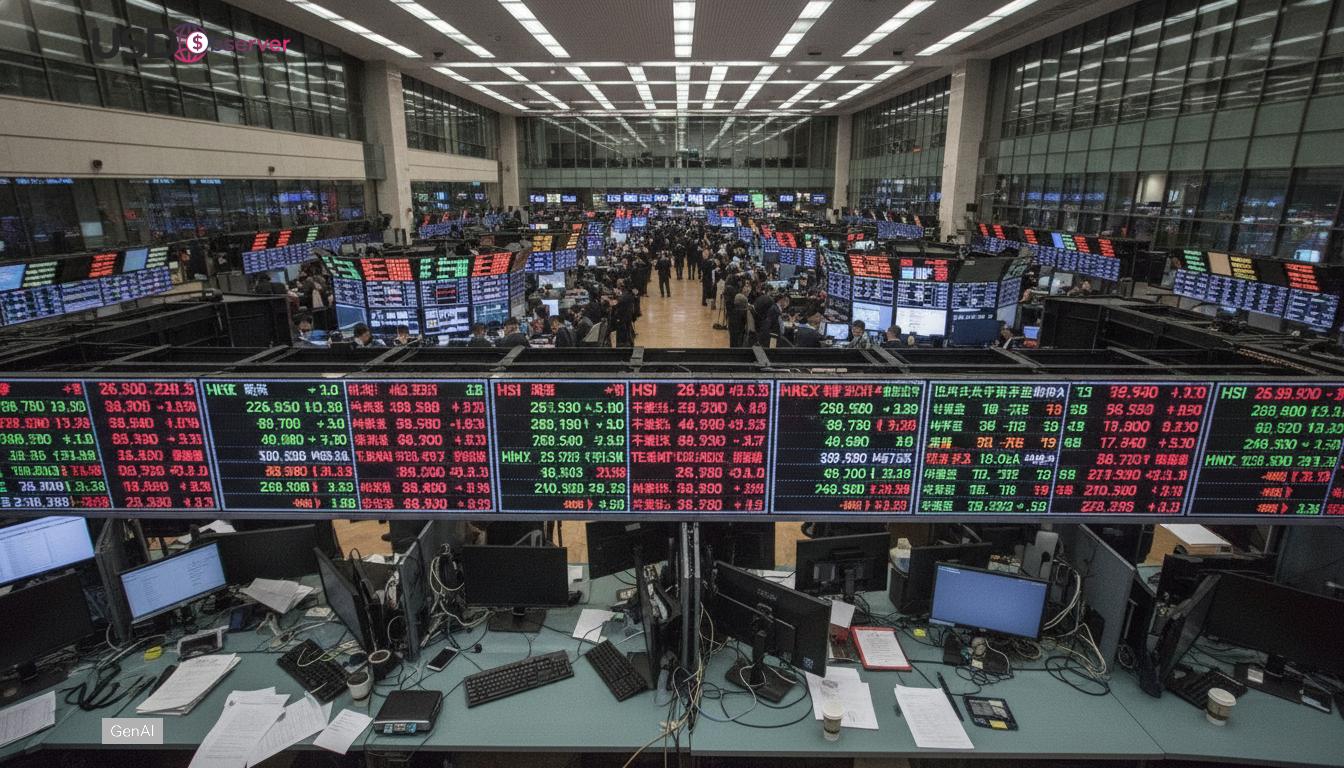
Today, traders are watching how US rate expectations ripple through cross border pricing, especially as volatility clusters around major data releases. In the middle of this cycle, the US dollar international role still shows up most clearly in the way dollar funding costs set the tone for risk appetite from equities to commodities. Live pricing in currency markets has also highlighted how quickly liquidity concentrates in dollar pairs when uncertainty rises, a point regularly emphasized in Federal Reserve communications and in BIS discussions of global dollar funding. Update chatter in dealing rooms is less about symbolism and more about mechanics: who can borrow dollars cheaply, who cannot, and how that gap widens during stress.
Impacts of Currency Shifts on Global Trade
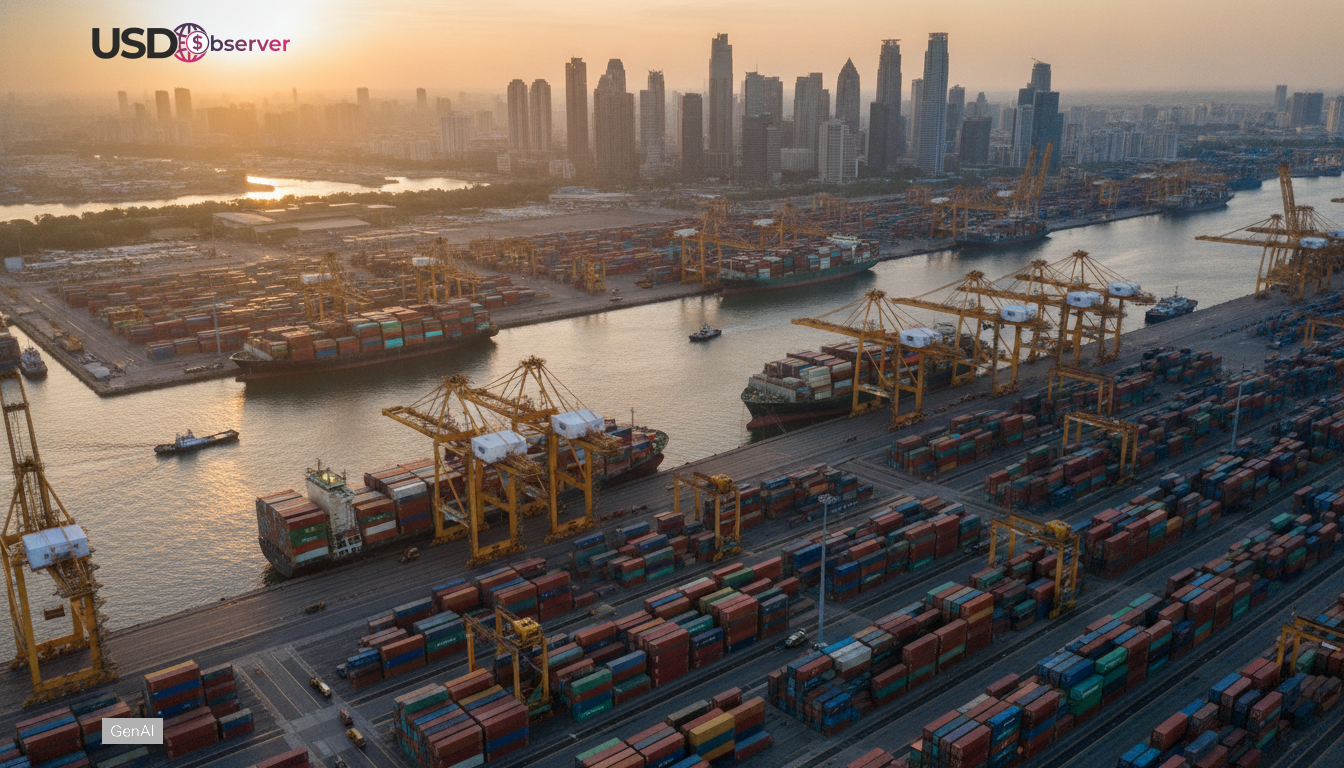
Update driven swings in exchange rates are changing contract behavior in global trade, because invoicing choices can shift costs between buyers and sellers within a quarter. In day to day operations, the US dollar international role matters when firms hedge, since dollar denominated inputs transmit shocks even if end demand is local. Live market talk has also centered on how shipping and energy invoices respond to currency moves, linking trade margins to short term funding conditions, with a useful reference point in BBC coverage on jet fuel shortages and summer holiday risks that underlines how energy logistics can tighten abruptly and feed price pressures across routes. Today, procurement teams are reacting faster to FX moves than they did a few years ago.
The Role of the Dollar in Financial Stability
Live stress tests for the global system often start with dollar liquidity, because banks and non banks rely on short term dollar funding to roll positions. In practice, the US dollar international role is evident in how swap lines and repo facilities can calm markets when private funding dries up, a framework the Federal Reserve has described in its policy statements and that the BIS has examined in its work on global liquidity. Today, attention has turned to stablecoin plumbing and collateral preferences as another channel for dollar exposure, with a recent market snapshot summarized in Stablecoin Liquidity Surges to $320.6B in May. Update cycles in risk assets now echo these funding conditions, making stability debates more immediate for regulators.
Challenges to Dollar’s Position as Reserve Currency
Today, the challenge set is less about a single rival currency and more about fragmentation, where trade blocs and payment rails reduce interoperability during disputes. Currency markets price that risk through wider basis spreads and sudden demand for high quality collateral, a pattern frequently reviewed by the BIS in its commentary on cross border funding strains. Live policy debates also focus on sanctions risk and on how settlement options affect reserve choices, even when central banks still prefer deep markets and legal predictability, and our recent analysis at USD Dominance Tested Amid Fragmented Trade Blocs maps where the pressure points are showing up first. The near term constraint remains liquidity depth rather than slogans.
Future Prospects for the US Dollar Globally
Live positioning suggests investors are treating the next phase as a test of policy credibility and fiscal trajectory, not an automatic handoff to an alternative. Today, the operative question for global allocators is whether US real yields stay attractive relative to peers, because that differential anchors private capital flows even when politics is noisy. Update expectations are also being shaped by how quickly payment technologies standardize, since faster settlement can diversify rails without removing the need for a trusted unit of account. The most concrete signals come from central bank communications and market functioning indicators, including auction demand, bid ask resilience, and cross currency funding measures that the BIS regularly highlights. If those gauges hold, the dollar’s reach can persist even as usage becomes more modular across regions.