Powell’s Remarks on Inflation Trends
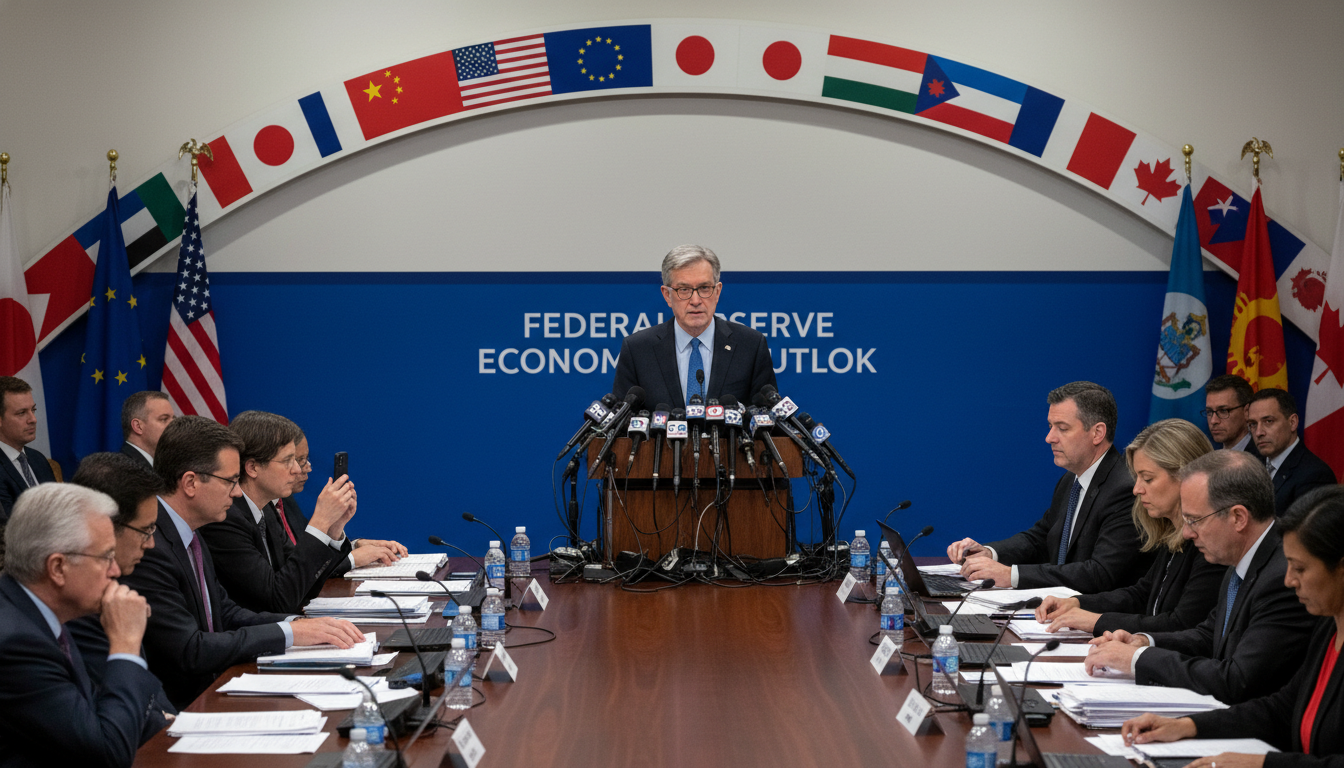
Traders opened Today focused on how Jerome Powell framed the inflation debate after the meeting. In his press conference, Jerome Powell stressed that policy will respond to realized progress rather than forecasts, a point Reuters highlighted in its immediate market write through. The Fed interest rate decision landed as investors compared recent disinflation in some categories with sticky services costs and firm wage growth. Live pricing in rate futures moved as journalists pressed him on whether the committee needs more time to see labor market cooling. Update notes from major broker research desks emphasized that Powell avoided giving a calendar, underscoring a data dependent stance while keeping financial conditions from easing too quickly.
US-Israel Conflict’s Economic Impact
Risk desks treated the US-Israel conflict as a near term inflation impact channel through energy and shipping costs, not as a direct driver of US demand Today. Live crude moves became part of the policy discussion because higher fuel prices can feed headline inflation and expectations. For cross market context, BBC reporting on energy prices and inflation pressures abroad provided a reference point in Oil price hits highest since 2022 after report Trump to be briefed on new Iran options. Update memos circulated on how higher volatility can tighten financial conditions even without a policy change. In parallel, stablecoin settlement flows were watched for liquidity signals, as short dated yields stayed sensitive, in Stablecoins and Digital Assets Reshape US Finance.
Analysis of the Fed’s Future Direction
Attention then shifted to guidance by omission, which is often where the Fed interest rate decision matters most for forward rates. Today, desks parsed the statement language and the balance of risks, comparing it with past meetings to infer how many officials still see inflation as the dominant threat. Live commentary from economists at major banks focused on whether restrictive policy is biting into credit, especially for housing and small business lending, without forcing a broad employment reset. Update reactions also centered on the voting coalition, because any dissent can signal an evolving reaction function. Market participants also tracked dollar positioning, which framed how rate expectations flow into FX quickly, through Global Economy Shifts Driving FX Market Repricing.
Global Reactions to Powell’s Decision
Global rates markets responded by mapping Powell’s tone onto their own inflation challenges Today, especially where energy shocks complicate near term projections. Live moves in gilts and swaps reflected how investors arbitrage policy paths across economies, even when domestic drivers differ. For a named example, the BBC coverage of UK rate debate offered a benchmark for how policymakers talk about persistence in prices, as seen in Mortgages, bills and jobs: Five takeaways from the Bank of England. Update notes from currency strategists stressed that the dollar can stay supported when the Fed is perceived as the last major central bank to cut, even if US growth cools.
Long-term Implications for the US Economy
Longer horizon analysis treated this moment as a credibility test rather than a single meeting drama, because the next year will judge whether policy can finish disinflation without breaking employment Today. Live credit conditions will be the transmission channel to watch, with banks and markets setting borrowing costs for households and firms beyond the headline target range. The inflation impact of shelter, insurance, and services will determine how fast real incomes improve, a theme Jerome Powell repeatedly returned to in his remarks. Update briefings to clients emphasized that a soft landing requires tighter policy to remain in place long enough to restrain demand, while productivity gains do the rest. Investors also monitored how fiscal issuance interacts with term premiums, shaping mortgage rates, after the Fed interest rate decision.