Middle East Conflict Escalates Oil Price Concerns
Today, traders opened with risk premium back in the barrel as fighting and diplomatic signals tightened nerves across energy desks. A sharp oil price increase was priced into front month contracts as refiners and airlines chased prompt cover in the global oil market. Live pricing screens moved quickly as spreads widened and options implied volatility rose during the European session. The catalyst for the latest jump was detailed by the BBC in its coverage of oil reaching the highest level since 2022, citing a report that Donald Trump would be briefed on new Iran options and the market reaction that followed. Update headlines also focused on tanker routes and insurance costs as participants prepared for more intraday swings.
Historical Comparisons and Current Trends in Oil Prices
Markets are treating this move as a regime shift rather than a single spike, because the curve is reacting across months, not just the front end. In the current wti crude oil price feed, Today’s premium has been most visible in prompt contracts while deferred prices rose less, a classic stress signature that traders watch Live. For the latest context on the day’s jump, the BBC analysis of oil hitting the highest since 2022 report on the move since 2022 is here. Another Update point desks highlighted is how quickly sentiment flipped from macro demand worries to supply risk after fresh policy signaling. That shift is now pulling more hedging into the nearest expiries and widening intraday ranges.
Economic Ramifications of Rising Oil Prices Globally
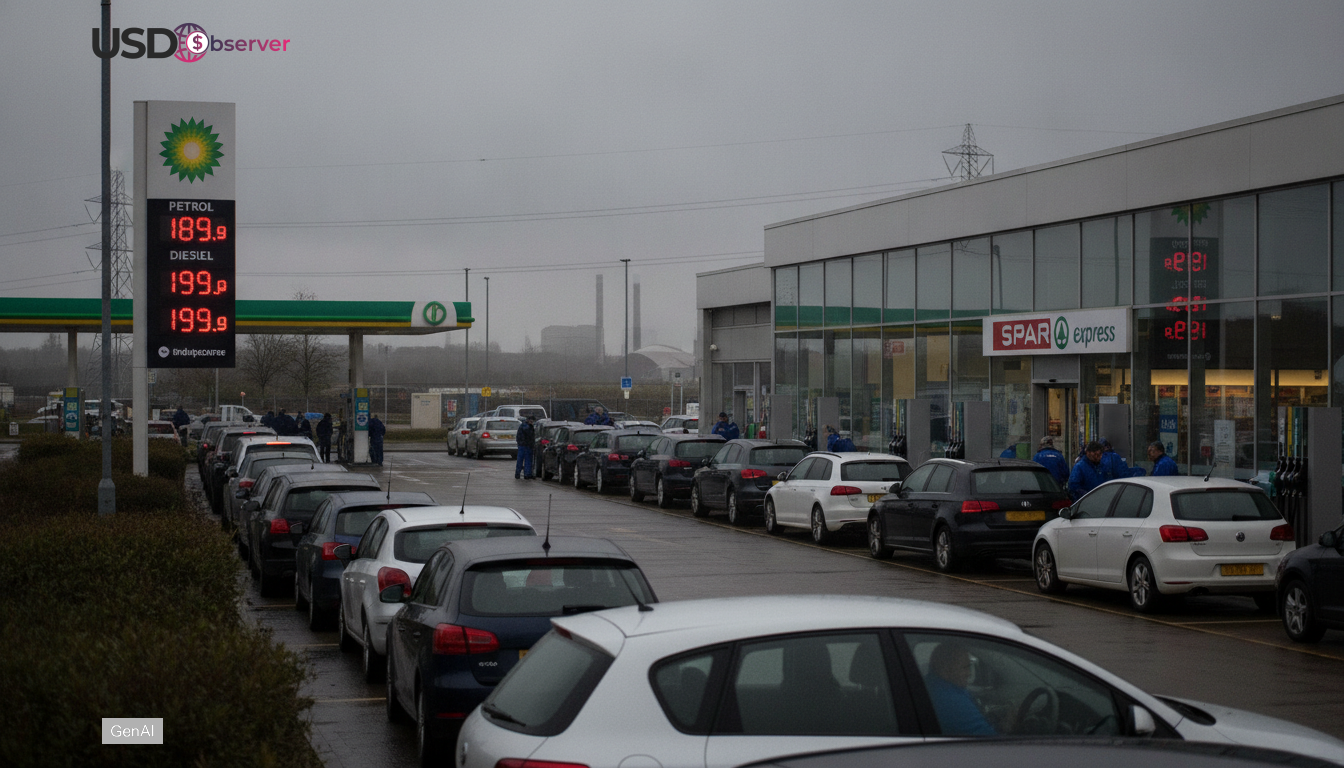
Rising fuel costs are feeding into inflation pricing and interest rate expectations, and central banks are watching the transmission closely. A second oil price increase quickly lifts transport, plastics, and food logistics, and FX desks often see that pressure spill into the USD leg of commodity importers and exporters. Live market repricing can be tracked through rate differentials and risk hedges described in Global Economy Shifts Driving FX Market Repricing, which explains how shocks move from commodities into currencies. Today, payment rails and dollar liquidity are also part of the conversation as firms plan for higher working capital needs, a topic echoed in Stablecoins and Digital Assets Reshape US Finance. Update chatter in corporate credit has also picked up as energy intensive sectors revisit margins.
Strategies for Mitigating Oil Market Volatility
Companies are responding with tighter risk limits, more frequent hedging cycles, and broader supplier diversification rather than relying on a single monthly hedge. For airlines and shippers, a crude oil price increase can be managed by layering shorter dated coverage and stress testing basis exposure between Brent and regional grades. Live execution is increasingly tied to options because collars can cap cost while keeping some downside participation if prices retrace. Today’s desks also emphasized operational steps such as inventory optimization and freight contract clauses that share surcharge risk. Another Update theme is contingency planning for payment timing and credit lines, since working capital can swing quickly when fuel bills rise. The most effective programs combine financial hedges with operational flexibility, so procurement and treasury do not act in isolation.
Future Projections for Global Oil Trends
Near term pricing will hinge on whether supply risks become persistent, and on how quickly demand reacts to higher pump and freight costs. In the global oil market, forward curves are signaling that traders expect heightened volatility to last, even if the headline premium eases. A sustained oil price increase would keep inflation breakevens sensitive and could harden rate expectations, which the Bank of England discussed in its comments on oil driven inflation risk, covered by the BBC report on Bank of England warning about oil and inflation here. Live monitoring will focus on shipping security, refinery utilization, and OPEC communications. Today’s most important Update for investors is that the path is now headline driven, with larger gaps possible at each new policy signal.