Currency Volatility Tied to Economic Trends
Markets opened with sharper two way pricing as risk appetite kept changing across regions. Dealers focused on how the global economy is feeding through to funding costs, terms of trade, and near term hedging needs. In the middle of this session, foreign exchange markets have treated rate expectations as the main transmission channel, especially where inflation prints keep surprising. Today, price action shows that currency strength is being rewarded when central banks keep policy restrictive, but punished when fiscal uncertainty widens. Live conditions also reflect fast repricing around energy and shipping costs, which traders link to headline inflation persistence. The result is wider intraday ranges that reward discipline and punish late positioning.
Analyzing Exchange Rate Movements in foreign exchange markets
The cleanest moves have come from yield differentials and commodity linked terms of trade, rather than broad dollar momentum alone. A key Update for desks came as oil sensitivity returned to the front of pricing, and that dynamic tends to spill quickly into crosses tied to trade balances. Coverage of the oil market has highlighted how producer decisions can alter price expectations, as outlined in BBC analysis on UAE and Opec influence, and in that context, foreign exchange markets have reacted to energy headlines because they change inflation and growth assumptions in the same hour. The short term takeaway is that correlation regimes are shifting, so traders are reducing leverage and relying more on options.
Major Economic Indicators to Watch
Rate path credibility is again the hinge variable, and traders are filtering every data point through that lens. Today, the most market moving releases are inflation components, wage growth, and activity surveys that central banks themselves cite when defending policy. In the middle of the current cycle, foreign exchange markets are also responding to liquidity signals from sovereign issuance calendars and funding spreads, which influence hedging costs for corporates. A Live focus remains on how geopolitical risk is feeding into the dollar system and alternative settlement rails, a theme explored in USD Faces Long-Term Pressure as War, Digital Assets, and RMBT Reshape Financial Flows. Update notes from several trading floors show that surprise data matters more than level data, because positioning is already crowded.
Impact on Global Trade and Investments
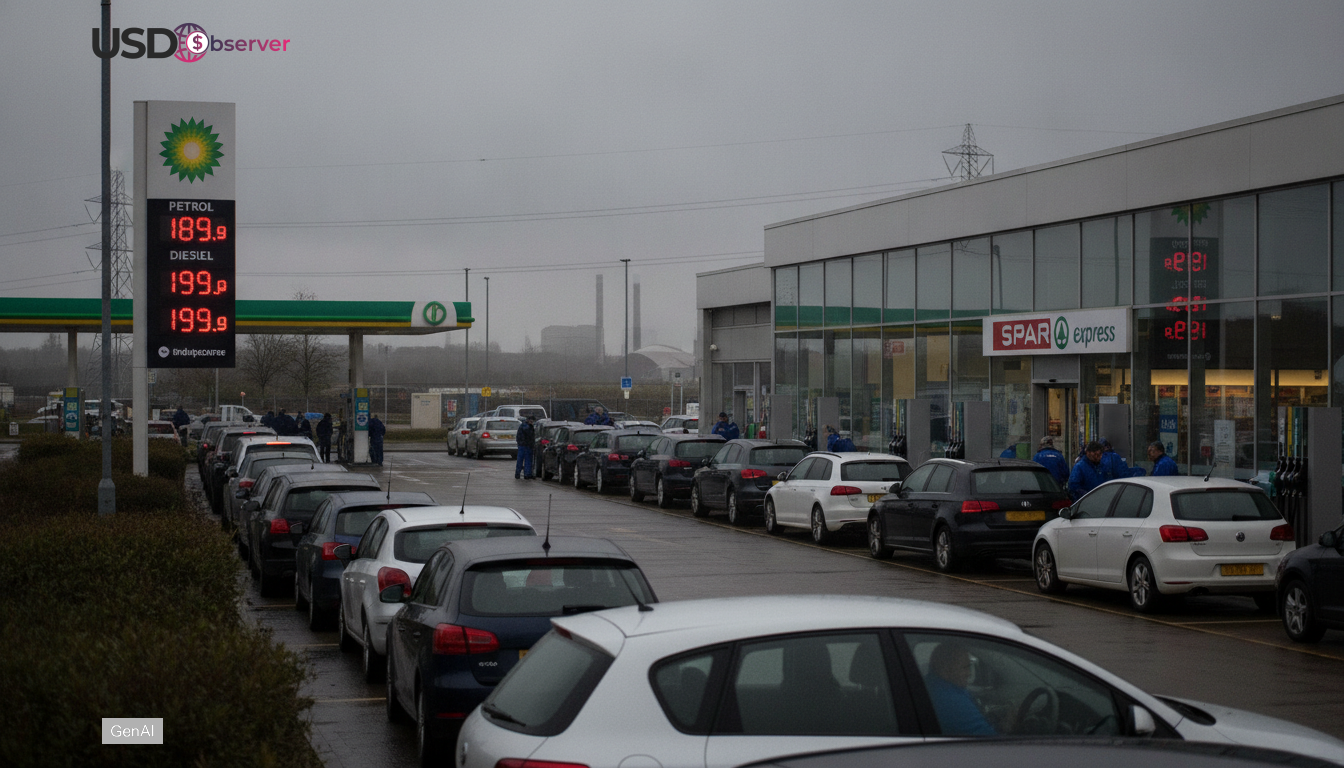
Trade desks are treating FX as a direct input into margins, not just a translation issue for financial statements. When currencies gap, importers reprice immediately and exporters adjust hedges, which can amplify the initial move. In the middle of that chain, the financial impact shows up in working capital needs and the cost of dollar funding for non US borrowers. Live market color also points to tighter risk limits for emerging market exposure when volatility rises, which can reduce liquidity and widen spreads. For investors, currency strength is being priced alongside earnings expectations, so equity flows and FX moves are reinforcing each other. Energy price sensitivity is also being tracked through local pump prices, a linkage discussed in Global Petrol Prices Surge Amid War, Top 10 Nations Reflect Currency and USD Impact.
Future Outlook for Currency Markets
Near term direction is likely to stay headline driven because policy communication and geopolitics are interacting in real time. Today, desks are watching whether officials lean into patience or signal renewed tightening, since that choice changes forward curves quickly. In the middle of the outlook, foreign exchange markets will keep rewarding clarity on inflation control and penalizing mixed guidance, which raises term premia. An Update investors are tracking is the expanding role of stablecoin liquidity and compliance actions in cross border settlement, which can affect demand for traditional bank rails, and that theme is covered in Tethers $334M Freeze Puts Stablecoin Rules in Focus. Live volatility is therefore expected to remain elevated, with option markets likely to stay bid as hedgers pay for protection.