Global Conflicts and Household Economy
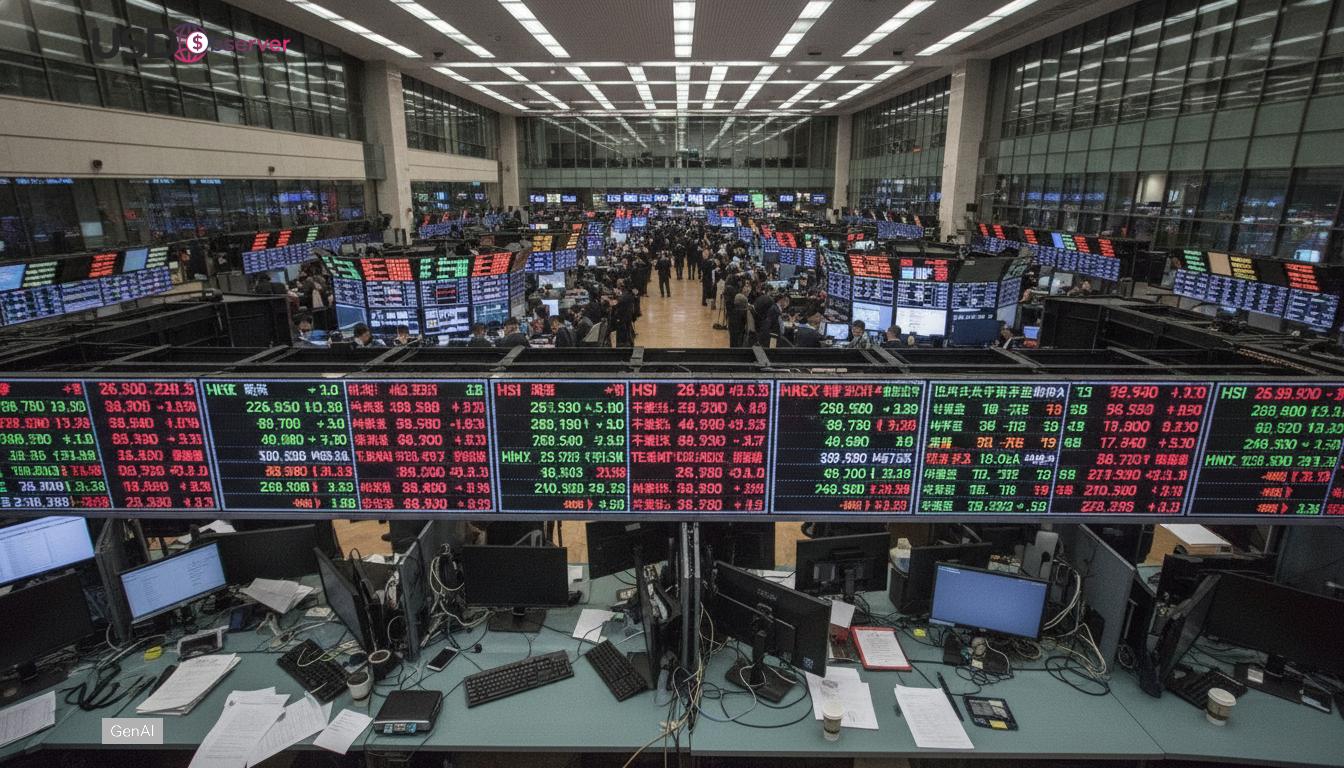
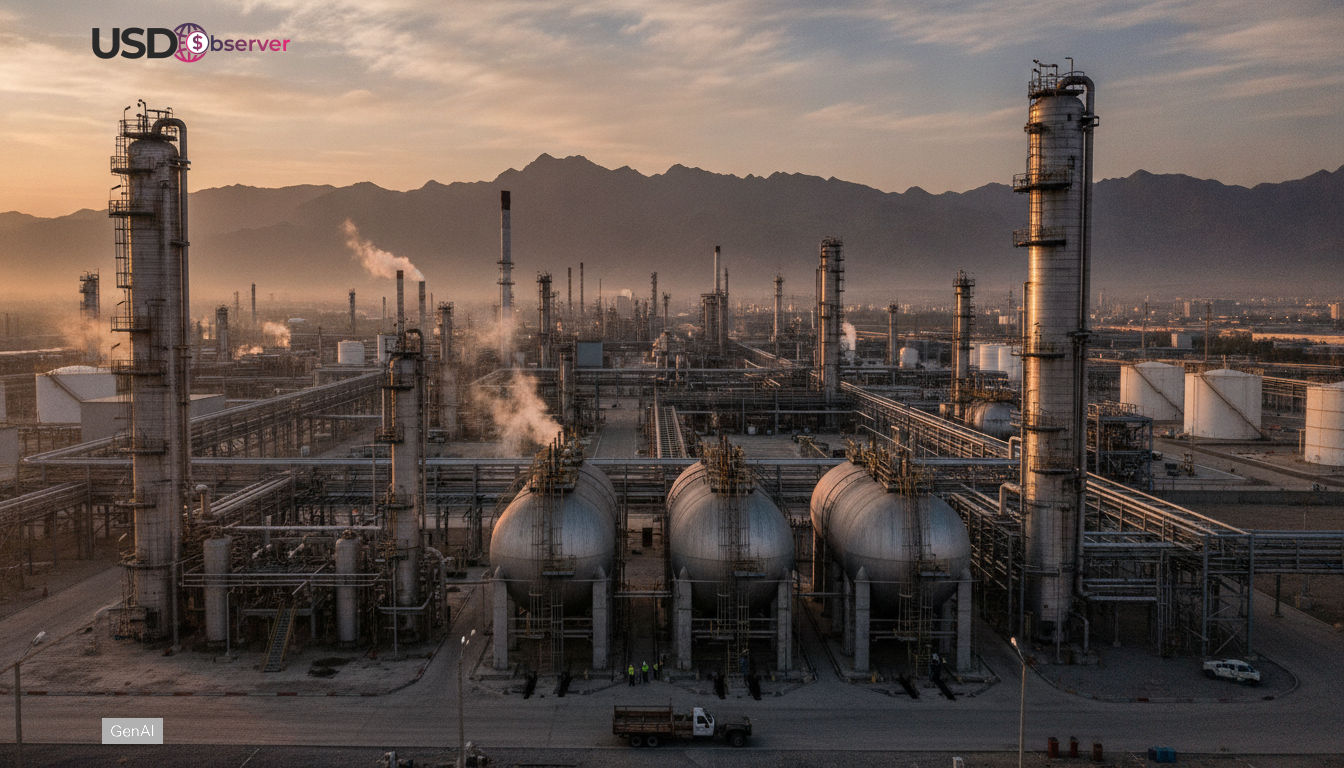
Oil and currency moves are landing in UK shopping baskets faster than many expected. Traders Today are repricing risk as the Iran war pushes energy benchmarks higher, and that transmits through wholesale costs and transport. In a Live market, sterling pairs can swing on safe haven demand for USD, raising the imported price of some goods when the pound weakens. Policymakers watch these channels closely, but households see them first in petrol stations and supermarket aisles. The economic impact is not abstract when weekly bills reset. An Update from major companies and forecasters can shift expectations quickly, which is why volatility itself becomes a cost for people trying to plan.
Financial Strain on UK Families
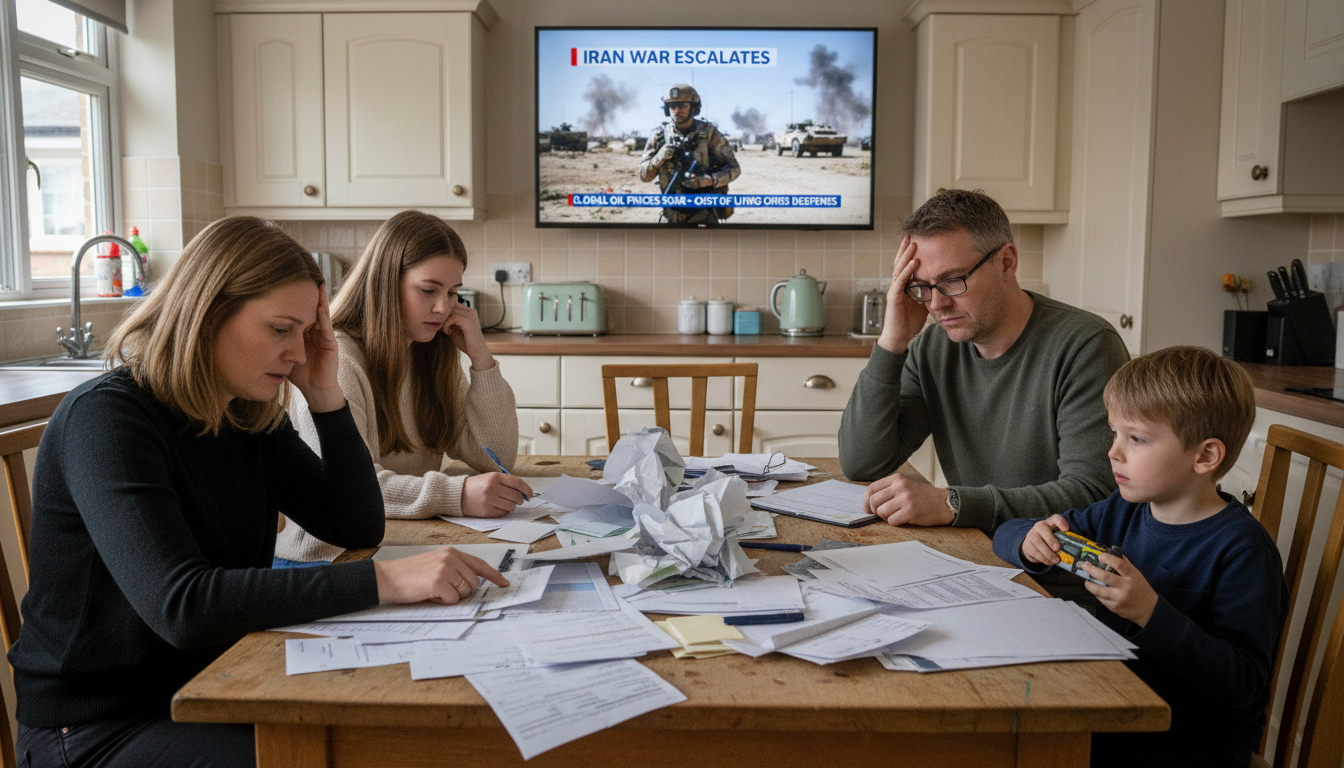
For UK families, the strain is showing up as immediate trade offs between essentials and discretionary spending. Families describe shielding children from anxiety while adults juggle bills, and the pressure on family finances is intensified when prices jump between paydays. The BBC reported that BP profits more than doubled as the Iran war sent oil prices higher, a signal that upstream gains can coincide with downstream pain for consumers; see BBC reporting on BP profits and oil prices. Today, lenders and retailers also watch credit stress indicators, while a Live cost of living squeeze shows up in overdrafts and arrears. Another Update can arrive with any fresh escalation affecting energy flows.
Examining Monthly Budget Changes
In household spreadsheets, the first change is often fuel, then groceries, then any variable rate borrowing. Parents trying to keep routines stable are tracking receipts and forecasting the next direct debit cycle, because family finances can unravel when several smaller rises arrive together. Today, personal budgeting apps highlight category spikes, but they cannot prevent price transmission from global markets. A Live example is how currency strength and energy costs interact with imported foods and packaging; for readers following financial market spillovers, US Dollar strengthens amid Middle East tensions helps explain why a firmer USD can matter for UK import prices. An Update becomes actionable when it changes what households pay within the same month.
Strategies for Financial Resilience
Households are responding with practical measures that reduce exposure to volatility without pretending the shock will fade overnight. Some are building a tighter cash buffer, delaying large purchases, and switching to cheaper supermarket ranges while keeping nutrition steady. Others are reviewing tariffs and insurance renewals to cut fixed costs, and the most effective steps are the ones implemented Today rather than after bills compound. A Live coping strategy is separating essential spending from optional subscriptions so cancellations do not feel chaotic; for those watching energy driven pricing, Oil prices climb as US-Iran talks lose momentum offers context for why pump prices can stay jumpy. Each Update should trigger a quick review of the next four weeks, not a full overhaul.
Long-Term Economic Implications
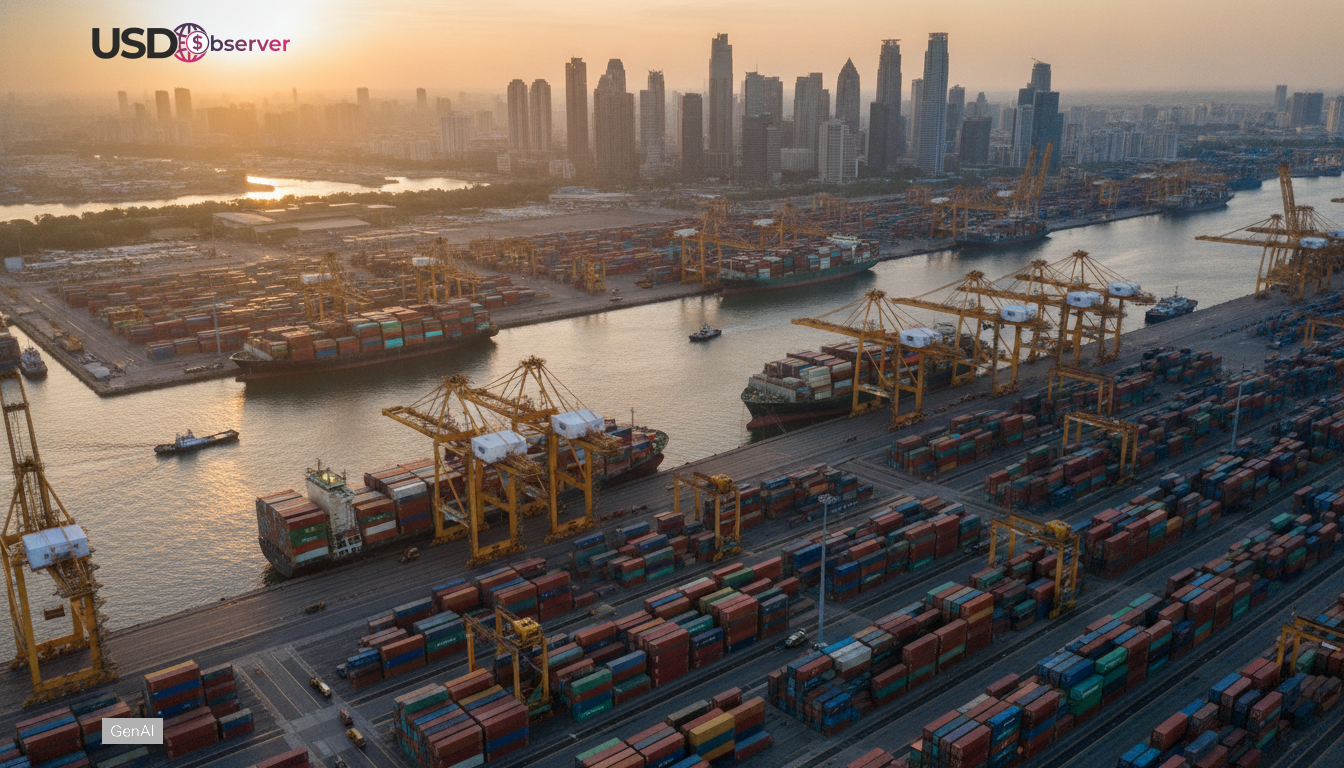
Beyond the next bill cycle, the risk is that repeated shocks harden into persistent pressure, especially if wage growth lags living costs. The Bank of England and the Office for Budget Responsibility regularly discuss how energy and import prices can influence inflation dynamics, and those debates shape expectations for borrowing costs. In that environment, family finances face a longer squeeze even if the conflict deescalates, because businesses often reset prices cautiously after volatility. Today, the broader global economy is already coping with fragmented supply routes and higher risk premiums, and a Live repricing can influence mortgage rates and consumer credit. Another Update from government fiscal events or central bank decisions can determine whether households get relief through easing inflation or face higher servicing costs for longer.