Airlines Implement Flight Cancellations
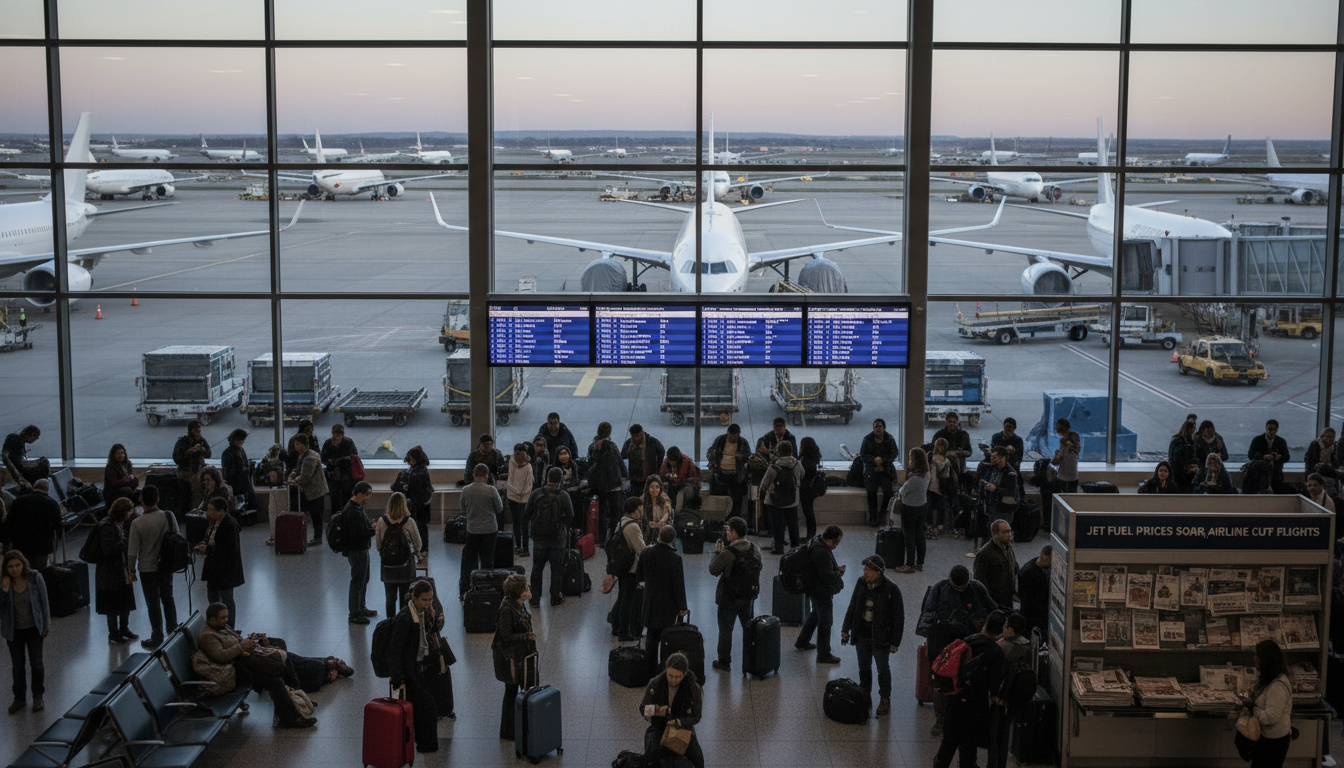
Airlines serving the UK are cutting frequencies and consolidating routes as fuel bills climb and operational buffers shrink. Today, carrier statements cited “cost pressures” and “fleet availability” when confirming cancellations, while airport operators advised passengers to monitor Live departure boards for rolling gate changes. Where airlines have combined services, customer service teams have prioritised rebooking onto later flights and partner carriers rather than adding extra sections. The immediate trigger is not demand, but the cost of operating marginal rotations when fuel surcharges cannot be passed through fast enough. An Update from ground handlers also pointed to tighter turnaround windows at London Heathrow as airlines try to keep aircraft utilisation high while trimming the least profitable services.
Jet Fuel Price Influences Airline Decisions
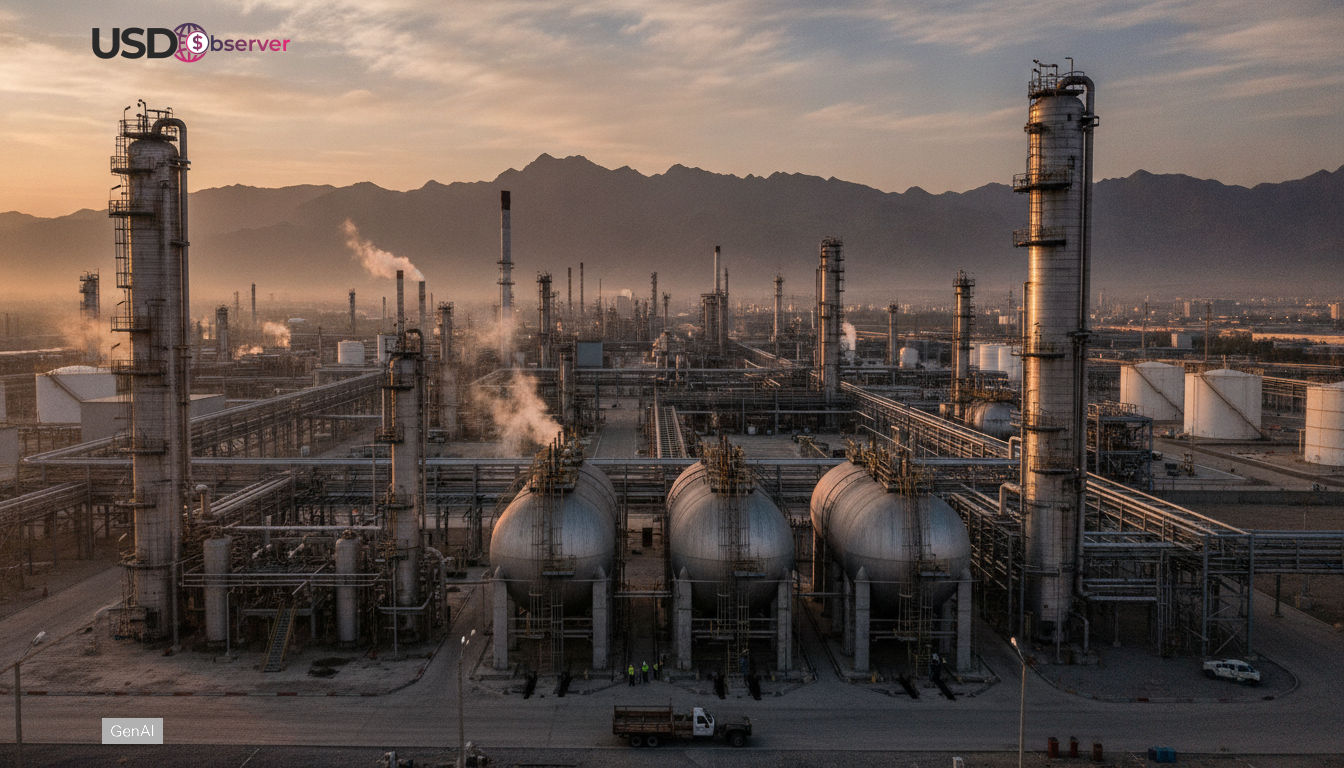
Traders have been repricing energy risk as tensions around shipping lanes feed into strait of hormuz jet fuel prices and broader crude benchmarks. The BBC described how conflict-driven oil moves have lifted corporate earnings and volatility in its coverage of BP profits and oil prices in BP profits and oil prices, and airlines treat that volatility as a direct cost input. For a Live market lens, currency shifts also matter because much fuel is purchased in USD, and US Dollar Strengthens as Safe Haven Demand Surges Amid Middle East Geopolitical Tensions in US Dollar Strengthens as Safe Haven Demand Surges Amid Middle East Geopolitical Tensions explains the safe haven bid that can amplify imported costs. Today, jet fuel prices are being watched alongside refining margins, because a jet fuel shortage can emerge even when crude is available. This Update dynamic is especially visible in european jet fuel markets when refinery outages tighten supply.
Impact on Passenger Travel Costs
Cancellation waves are translating into higher effective trip costs as passengers face fewer seats on preferred days and more indirect routings. Today, airlines have leaned on fare buckets that rise quickly once a handful of departures are removed from sale, and that mechanism can bite even when headline base fares look stable. Travel insurers and consumer bodies advise tracking Live changes to rebooking options, because reroutes can add hotel nights and ground transport. When jet fuel prices stay elevated, carriers also tend to reduce promotional inventory first, which pushes average paid fares higher rather than simply adding a visible surcharge. An Update on macro conditions also matters, and US Dollar Index Slips Below 98.50 as Iran Proposal on Strait of Hormuz Eases Market Tensions in US Dollar Index Slips Below 98.50 as Iran Proposal on Strait of Hormuz Eases Market Tensions shows how FX swings can briefly relieve, or worsen, fuel bills. Consumer rights around refunds and rerouting still apply, but they are tested when seats are scarce.
Future Projections for the Airline Industry
Airline schedulers are now planning with “fuel stress” scenarios that assume repeated spikes and a higher risk premium for delivery into major hubs. Executives have told investors that fleet deployment will tilt toward routes where yields can absorb cost shocks, leaving thin UK connections most exposed. Today, the industry also has to manage jet fuel crisis risks tied to refining capacity, because a local supply disruption can raise spot prices more sharply than crude alone. Live operational planning is increasingly influenced by hedging disclosures and quarterly guidance, which is why markets focus on how much consumption is locked in versus bought at spot. The BBC’s analysis of Opec dynamics and regional policy decisions underscores how supply politics can change expectations quickly, and that uncertainty shapes forward pricing and airline decisions. An Update from airports suggests contingency staffing is being adjusted to match shorter schedules rather than peak demand patterns.
What Consumers Can Do to Adapt
Passengers can reduce disruption costs by treating schedule reliability as part of the fare, not a free add on. Today, booking earlier departures and allowing more connection time reduces the chance that a single cancellation cascades into missed onward travel, and it also improves the odds of same day rerouting. Keeping screenshots of Live itinerary changes helps when requesting refunds or expense reimbursement, particularly if the carrier app overwrites prior timings. When jet fuel prices remain unstable, consumers may see airlines reshuffle timetables repeatedly, so choosing flexible tickets where affordable can matter more than chasing the lowest fare. An Update from travel lawyers often stresses that compensation rules depend on cause, but rerouting and care obligations still apply when flights are cancelled close to departure. Banking and card travel protections may help with hotels and meals if the airline process is slow, but only when documentation is complete.