Global energy markets brace as oil jumps past $100
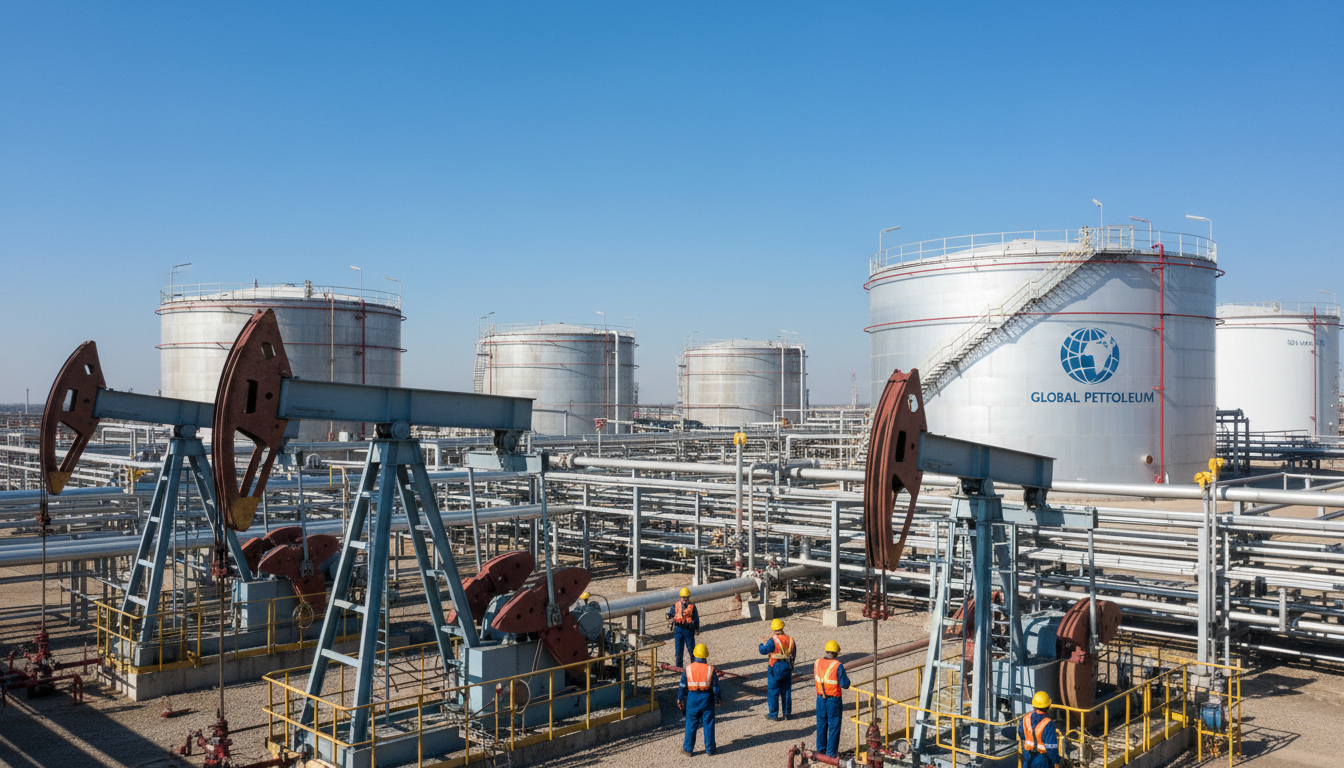
Global energy markets moved sharply after crude futures were reported to surge back above $100 a barrel following reports of a breakdown in US-Iran diplomacy. Traders were widely described as rebuilding a geopolitical risk premium that had been fading, focusing on tanker insurance, potential supply curbs, and the pace of any policy retaliation in the Gulf. Some market commentary also pointed to stronger front-month gains than longer-dated contracts, a curve shape often associated with near-term supply anxiety. Around April 13, 2026, some trading desks described heavier hedging demand across options and refined products as participants tried to quantify disruption risk and protect margins.
US-Iran talks collapse and the oil risk premium
Market attention centered on how quickly sanctions enforcement, maritime security measures, or unofficial shipping constraints could tighten flows, according to market participants cited in contemporaneous coverage. The immediate response was discussed in terms of crude spreads and refined product cracks, and then in freight and options volatility, as reflected in live market pricing. Live pricing on major venues also showed higher implied volatility and wider intraday ranges as liquidity concentrated in short-dated contracts, based on observable market indicators rather than confirmed supply changes. For background on the regional headline drivers, see US-Iran relations drive oil surge after talks collapse. Public reporting on the broader commodity backdrop also helped frame why global energy markets can reprice rapidly when diplomacy deteriorates.
Inflation, shipping, and demand effects for global energy markets
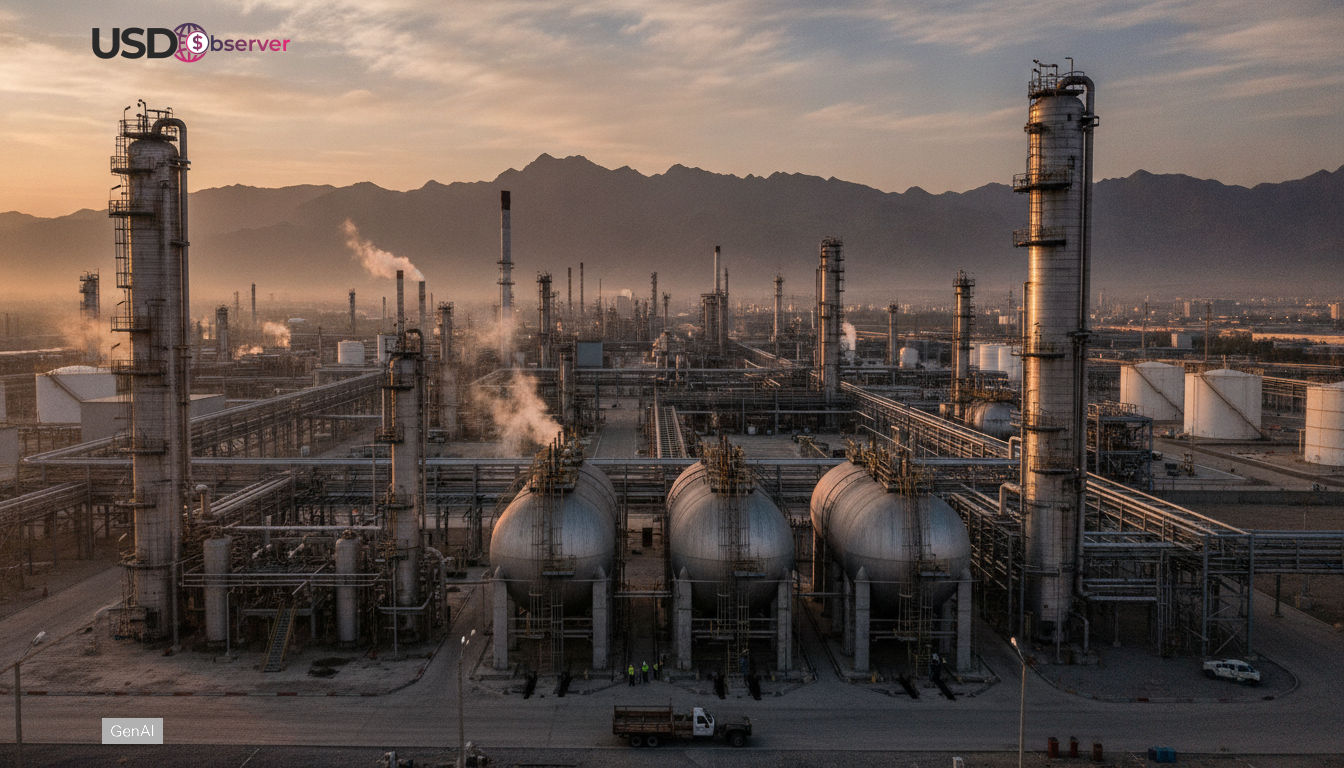
Higher crude costs can feed into transport, petrochemicals, and power generation, and policymakers often watch pass-through effects when inflation expectations are sensitive. Importers in Asia and parts of Europe were described in market commentary as facing a terms-of-trade shock as refined products tightened alongside crude, though the degree varies by contract structure and inventory levels. An internal macro context note, Soaring pump prices push US inflation higher in 2025, outlines how fuel can pressure consumer baskets. For cross-market context, global markets remain cautious tracking is useful when global energy markets spill into FX and rates. Category headlines also appeared in the BBC business feed.
Energy crisis scenarios and supply chain chokepoints
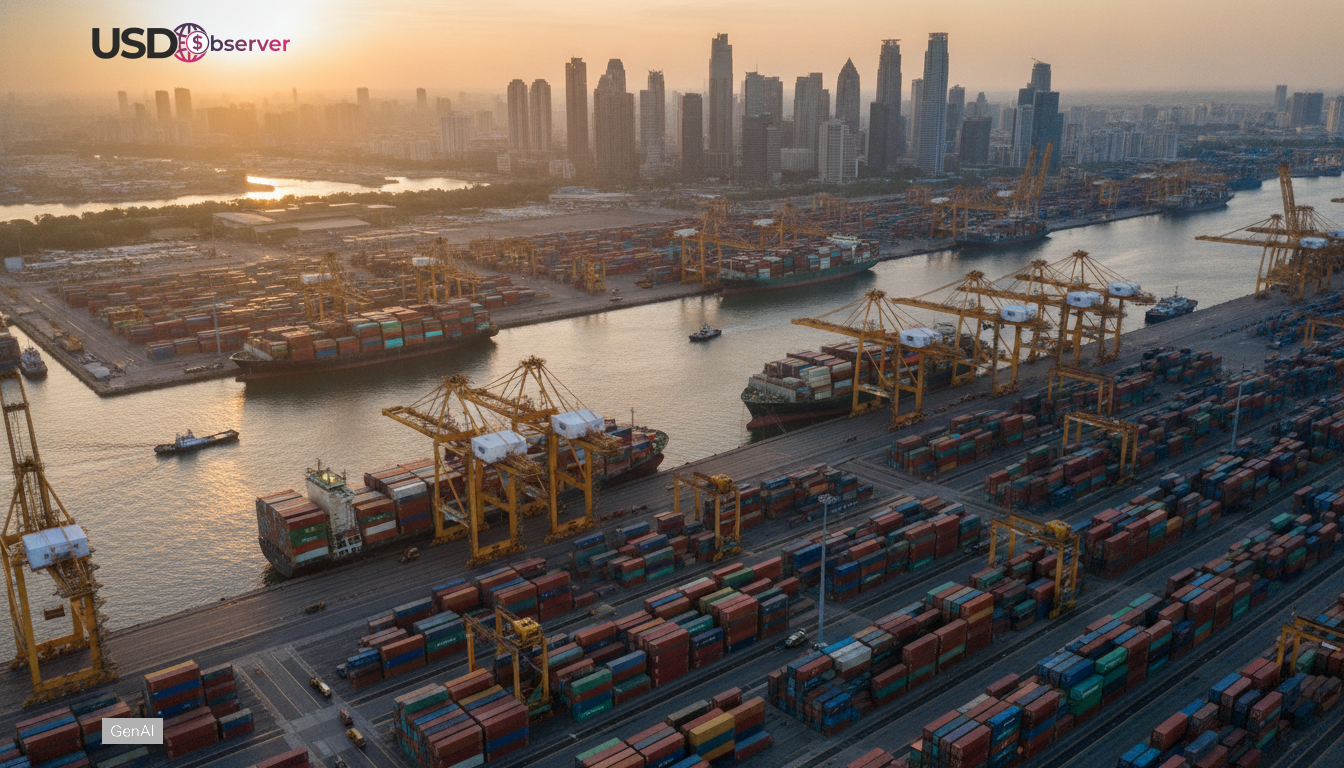
The key risk is not only a headline price spike but a cascading energy crisis, where spot shortages could emerge in specific regions even if global supply appears adequate on paper. European gas and power traders were reported by market commentary to be watching crude-driven substitution effects, particularly for industrial users that can switch fuels when relative prices move. In live trading, refiners were described as prioritizing run optimization, which can change diesel and jet availability faster than new crude supply can arrive. Risk managers also emphasized scenario planning around maritime chokepoints, insurance availability, and the speed of official responses that could alter shipping schedules and effective supply, as described by industry commentary.
Investor positioning and what comes next for global energy markets
Investors were described in market updates as rotating toward energy producers and away from fuel-sensitive sectors, while volatility buyers paid more for protection as swings widened. Fund flows were also characterized by some analysts as favoring liquid hedges, including benchmark options and select refined product contracts, as managers tried to keep exposure closer to neutral. Order-book activity was interpreted by some traders as concentrated in near-term hedges, implying uncertainty clustered in the coming weeks rather than a confirmed long-run supply loss. The next directional catalyst for global energy markets is likely to be diplomatic signaling, enforcement actions, or maritime security updates, any of which can shift curves quickly when information is limited.