Tensions Rising in the Strait of Hormuz
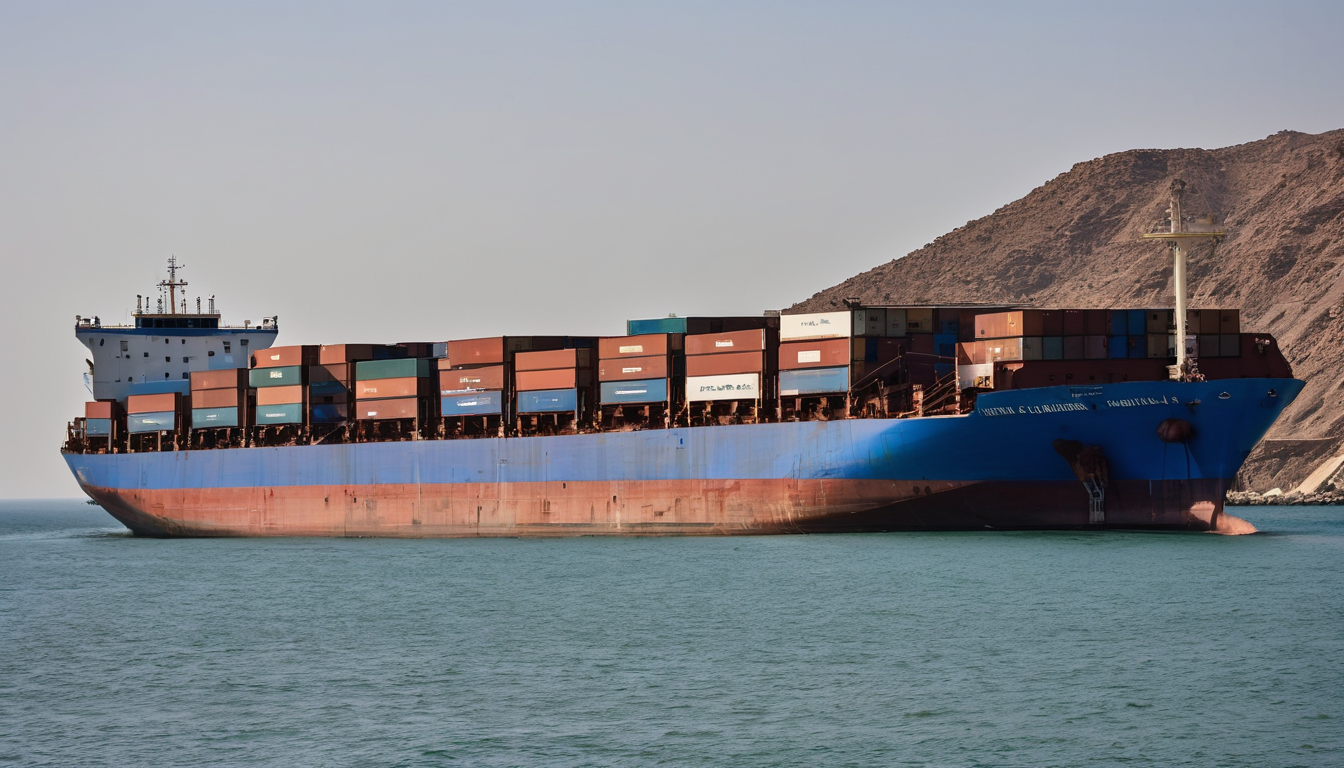
Strait of Hormuz trade faced another high stress moment after a French-owned ship completed a monitored transit, a passage that traders and insurers treated as a real time signal of how quickly conditions can shift. Today, shipping desks tracked routing choices, speed changes, and communications discipline rather than broad commentary, because a single incident can tighten charter terms within hours. Live reporting from the region pushed freight markets to price in higher uncertainty without halting movements outright, and the immediate effect was a sharper focus on risk allocation between owners, charterers, and cargo interests. The practical tension is visible in how voyages are executed, with bridge teams and operations centers following stricter playbooks while schedules compress to reduce exposure time in the corridor.
European Trade Resilience
European shipping has leaned on operational resilience rather than rhetoric, and that approach was evident as cargo planners kept slots filled while quietly adjusting arrival windows, bunkering plans, and crew rotations. An Update from brokers in the Gulf filtered into European procurement teams, and the result was less panic buying and more contract discipline, including clearer clauses around delay and force majeure. The most telling indicator was that exporters and importers continued to book space, even as they scrutinized premium add ons and war risk terms. Financial conditions matter as much as seamanship, with payment timing and working capital management shaping how long cargo can sit. Related market structure changes are also being watched through IMF analysis of tokenized finance and stablecoin shock risks, since liquidity strains can amplify freight cost swings.
Impact on Global Trade
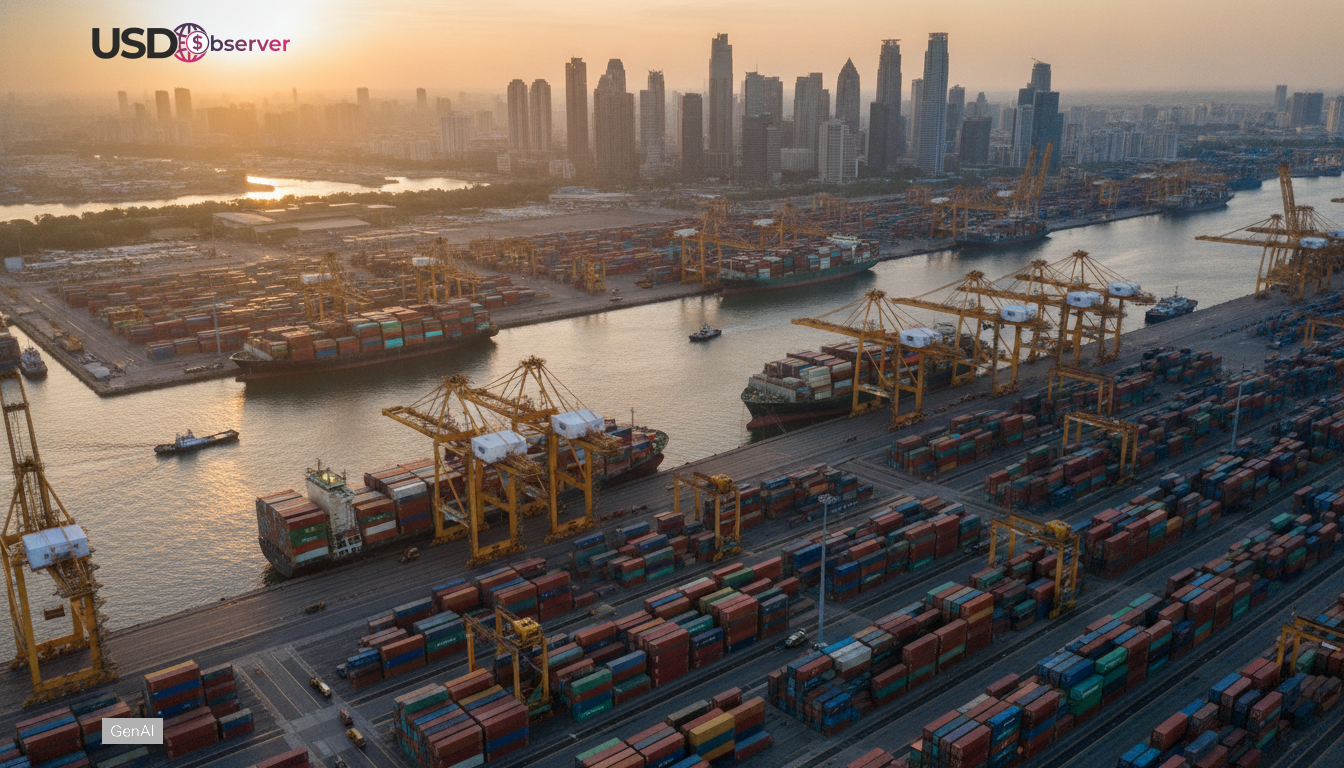
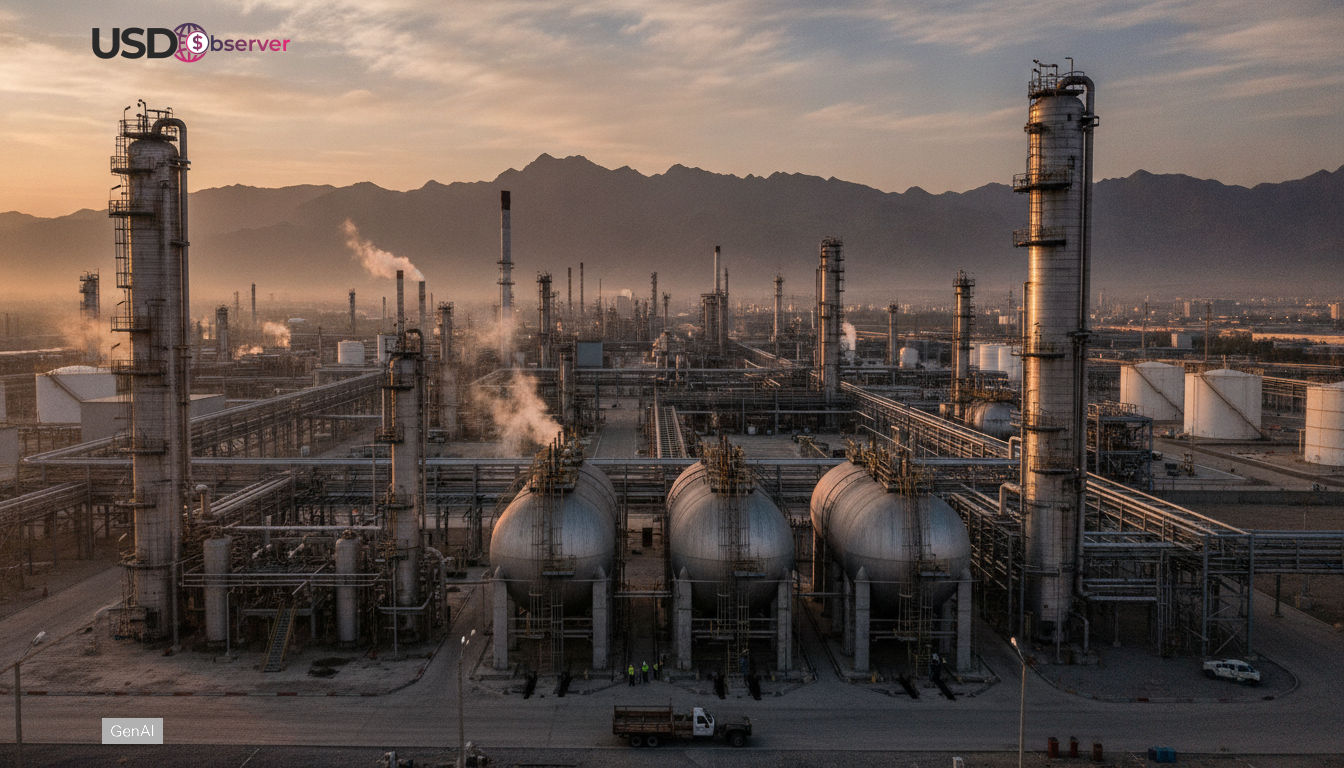
Global trade routes respond to friction in predictable ways, but the current cycle is being measured in days, not quarters, as commodity desks recalibrate exposure to refined products, LNG, and containerized inputs. Today, the key issue for pricing is whether transit reliability holds, because even small delays can ripple into inventory draws and spot purchasing that lifts costs across supply chains. Live market chatter has been less about closures and more about the cost of optionality, including keeping alternative suppliers on standby and paying for flexible discharge ports. An Update in risk assessments also feeds directly into FX expectations, since higher energy and freight bills can pressure importers and influence USD funding needs. Coverage of energy pass through effects has been reflected in regional cost narratives such as reports on how conflict lifts energy costs and hits wallets.
Security Measures for Maritime Routes
Maritime commerce in this corridor increasingly depends on layered security practices that are now treated as standard operating procedure, not exceptional measures. Operators are refining voyage plans to reduce loitering time, tightening communications protocols, and using structured reporting to maintain a consistent picture for all stakeholders, including insurers and flag authorities. Live coordination between ship operators and maritime information centers has become a daily requirement, with bridge teams trained to prioritize navigational safety while meeting compliance expectations. Another Update often arrives via rate sheets that break out surcharges transparently, making it easier to compare offers across carriers without mispricing risk. For cargo owners, the decision is less about stopping trade and more about paying for reliability, which can include vetted security guidance and clear escalation steps when conditions deteriorate.
Future Prospects for Strait Navigation
Future prospects for navigation hinge on whether commercial incentives and security management can keep voyages routine enough for schedules to remain credible, because contract performance is what ultimately sustains industrial planning in Europe. European shipping firms are signaling they will keep moving, but they are also building buffers into lead times, shifting some procurement toward nearer suppliers, and using more conservative inventory assumptions where exposure is unavoidable. Global trade routes will keep flexing, yet the limiting factor is capacity, as detours consume time and tonnage, tightening availability and lifting rates even when demand is flat. In currency markets, sustained freight inflation can reinforce USD strength by raising import bills and affecting hedging flows, a theme that often appears in forex strategy notes. For context on broader price volatility, analysts have pointed to coverage of rising oil price volatility as a parallel pressure channel.