Foreign exchange analysts are closely monitoring new patterns in regional demand for the U.S. dollar as global markets adjust to shifting economic conditions, evolving trade flows and uneven policy trajectories. While the USD continues to play a central role in global FX markets, emerging divergences in regional demand are reshaping how traders interpret currency movements. These shifts reflect a combination of structural and cyclical factors, including changing import requirements, investment flows and the influence of local monetary policies.
For forex traders and macro analysts, understanding regional USD demand is critical for anticipating volatility and identifying opportunities across major and emerging currency pairs. As countries navigate varying levels of inflation, growth momentum and financial stability, their demand for USD liquidity evolves accordingly. These developments offer important clues about how the global FX landscape may respond to upcoming macroeconomic changes.
Diverging Regional Trends Highlight Shifts in USD Usage
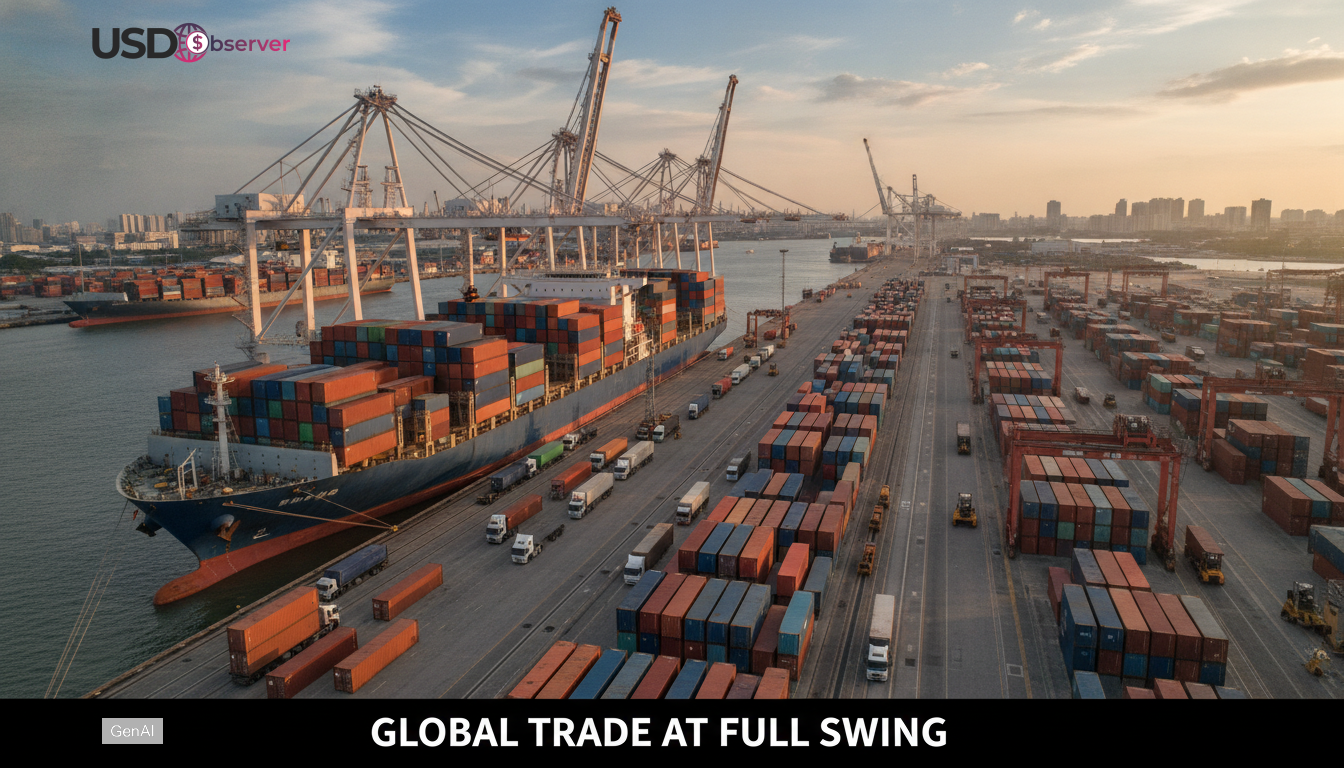
The most important trend in current FX data is the emergence of distinct regional patterns in USD demand. Some economies are experiencing increased reliance on the dollar due to elevated import costs, while others are seeing reduced demand as trade diversification and financial reforms gain traction. These variations reveal how each region is adjusting to tighter global liquidity and changing global supply chain dynamics.
Regions with strong import dependencies, especially for commodities priced in USD, have seen upward pressure on their dollar needs. Meanwhile, countries with expanding local-currency trade agreements or improved access to alternative financing channels show signs of moderating USD demand. Analysts emphasize that these differences create new trading signals, particularly for cross-regional currency strategies and spread-based approaches.
Asia Balances Trade Needs with Reserve Optimization
Asian markets continue to show mixed demand for USD liquidity. Export-driven economies maintain strong dollar usage for trade settlement and reserve management, while others are exploring broader diversification. Countries with large export sectors still rely heavily on USD flows, especially when global demand for manufactured goods rises.
At the same time, several Asian central banks are optimizing their reserve portfolios by adjusting the balance between USD and other major currencies. These adjustments are gradual but provide insight into how policymakers view long-term stability and exchange rate resilience. Traders monitoring Asian FX markets often look to reserve data and central bank commentary to better understand how regional USD demand is evolving.
Latin America Responds to Inflation and Commodity Cycles
Latin America’s USD demand is shaped by a combination of inflation dynamics and commodity cycles. In economies where inflation remains elevated, local currencies tend to face more volatility, increasing the need for USD liquidity to manage price pressures and stabilize markets. Commodity-exporting countries also experience cyclical USD movements tied to global price trends, influencing trade flows and investment behavior.
Analysts following the region note that central banks have adopted proactive strategies to manage USD flows, including targeted interventions and flexible interest rate policies. These measures help smooth volatility but also reflect the region’s ongoing sensitivity to global dollar conditions.
Europe Manages Policy Divergence and External Trade Adjustments
Europe’s USD demand has been influenced by policy divergence with the United States and changes in external trade patterns. While the euro remains strong within the region, European corporates and financial institutions continue to rely on USD markets for global operations. This reliance becomes more pronounced when policy expectations diverge, affecting rate differentials and capital flows.
Countries with strong trade connections to the U.S. maintain steady dollar usage, while others have seen modest shifts as supply chains adjust and global demand patterns evolve. For traders, European FX trends often provide insight into broader USD sentiment, as euro-dollar performance remains a benchmark for market direction.
Conclusion
Regional differences in USD demand are creating new dynamics in global FX markets, offering valuable signals for traders navigating an increasingly complex environment. As economies adjust to changing trade flows, inflation trends and policy divergence, analysts must track how these regional shifts influence the broader relationship between local currencies and the dollar. Understanding these evolving patterns is essential for interpreting future currency movements and managing exposure in global markets.