Global debt has soared to unprecedented levels in 2025, surpassing an estimated $337 trillion when accounting for government, corporate, and household obligations. The pace of accumulation is alarming and underscores how dependent the global economy has become on cheap credit and fiscal stimulus. What once began as a response to post-pandemic recovery and inflationary challenges has evolved into a systemic risk tied to rising interest rates, stubborn deficits, and the dominant role of the U.S. dollar in global finance.
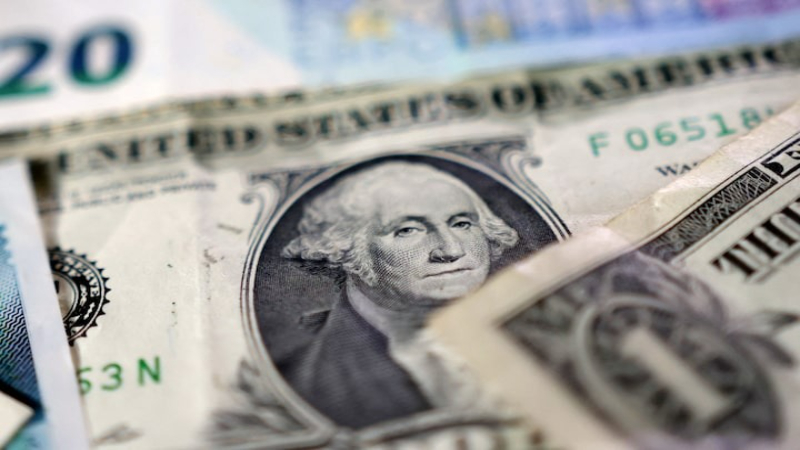
The magnitude of this debt is not only a numerical concern; it represents a structural fragility. With the dollar remaining the world’s primary reserve and settlement currency, a significant share of global borrowing is denominated in it. That dynamic benefits the United States through global demand for Treasuries, but for the rest of the world it poses growing vulnerabilities. When the dollar strengthens, countries holding dollar-denominated liabilities must pay more in local currency to service debt. The resulting pressure cascades through economies, tightening liquidity, inflating costs, and draining foreign reserves.
The Illusion of Growth and the Hidden Debt Trap
High borrowing can temporarily boost economies, but it often hides deeper fiscal weaknesses.
For many governments, debt-funded spending has been the preferred response to crises over the past decade. Stimulus packages, infrastructure programs, and energy subsidies have all relied on easy financing. While these measures helped sustain growth and avoid recessions, they also masked structural inefficiencies. Rising debt often creates an illusion of stability, pushing fiscal risks into the future.
As interest rates rise, this illusion begins to fade. The cost of servicing public debt is consuming a larger share of national budgets in both developed and emerging markets. For economies where growth remains sluggish, tax revenues struggle to keep pace with repayments. This imbalance is particularly dangerous when much of the borrowing is in dollars. Every increase in the dollar’s value translates to higher local costs, forcing governments and corporations to divert funds from productive investments toward debt servicing. The global economy is, in effect, paying more for past borrowing than it is investing in its future.
Dollar-Denominated Debt as a Double-Edged Sword
The dollar remains the backbone of global finance, but its dominance can also amplify financial distress.
Issuing debt in dollars has long been seen as a sign of credibility for emerging markets and corporations. Dollar funding provides access to deeper markets and lower interest rates. However, it also locks borrowers into a currency mismatch that can become painful when exchange rates shift. A stronger dollar makes repayments more expensive, erodes local purchasing power, and increases the risk of default.
For multinational corporations operating across borders, this means thinner profit margins and shrinking capital budgets. For governments, it can mean austerity measures, reduced imports, and a loss of investor confidence. Even countries with strong fiscal frameworks find themselves squeezed by higher refinancing costs when global investors retreat to dollar assets. The dollar’s strength in 2025 has, therefore, become both a stabilizer and a source of pressure supporting the United States but tightening conditions for the rest of the world.
Rising Risks in Emerging Markets
Emerging and frontier economies are most vulnerable to the consequences of a strong dollar.
Many emerging markets have seen their currencies weaken sharply in recent months, making external debt burdens unsustainable. Nations that relied heavily on dollar borrowing during periods of low interest rates now face a repayment cliff. Their local bond markets lack the depth to absorb refinancing at scale, while foreign investors demand higher risk premiums. This has forced several countries to turn to multilateral lenders or pursue debt restructuring talks to avoid default.
In addition, these pressures ripple through trade and investment flows. When countries spend more on debt servicing, they have less room for infrastructure, education, and energy investments — all of which are essential for long-term growth. Some have been forced to impose capital controls or devalue their currencies to stabilize reserves. The social and political consequences are significant, as inflation rises and living standards decline under the weight of fiscal adjustments.
Developed nations are not immune either. Advanced economies face mounting interest costs on sovereign debt, crowding out public spending. High-income countries can issue in their own currencies, but sustained borrowing combined with demographic challenges and slower productivity growth is creating long-term vulnerabilities even in their markets.
Managing the Global Debt Burden
The path forward lies in diversification, fiscal reform, and international coordination.
To mitigate the risks of dollar-dominated debt, policymakers must prioritize diversification. Expanding local currency bond markets helps reduce dependence on dollar funding. Building strong domestic investor bases and improving monetary credibility are essential steps in this process. Countries that manage to deepen local capital markets are better able to absorb shocks and maintain policy autonomy.
Hedging strategies also play a crucial role. Governments and corporations can use currency swaps and derivative contracts to manage exchange rate risk more effectively. While these instruments are not perfect, they provide an additional layer of defense against volatility. Equally important is the accumulation of foreign reserves during times of surplus. A well-managed reserve position allows countries to meet external obligations and stabilize their exchange rates when market pressures rise.
On a structural level, fiscal reforms are needed to prevent the debt trap from deepening. Rationalizing subsidies, widening the tax base, and improving spending efficiency can free up fiscal space without relying excessively on new borrowing. Moreover, multilateral cooperation is indispensable. Global lenders and financial institutions must work together to design transparent, fair, and sustainable frameworks for debt restructuring. Without such coordination, the risk of cascading defaults could undermine global financial stability.
Conclusion
The surge in global debt past $330 trillion underscores the delicate balance between growth and solvency. The reliance on dollar-denominated borrowing has created a web of interdependence where a stronger dollar can turn a manageable debt load into a crisis for many nations. In this environment, resilience will depend on sound policy choices, fiscal discipline, and greater coordination across borders.
As 2025 unfolds, the challenge for the global economy will not just be how much debt it carries, but how it manages it. Countries that act decisively to reduce vulnerability, diversify funding sources, and strengthen financial transparency will be better positioned to navigate an increasingly volatile world. The debt problem is no longer a distant warning it is the defining test of global economic management in the years ahead.