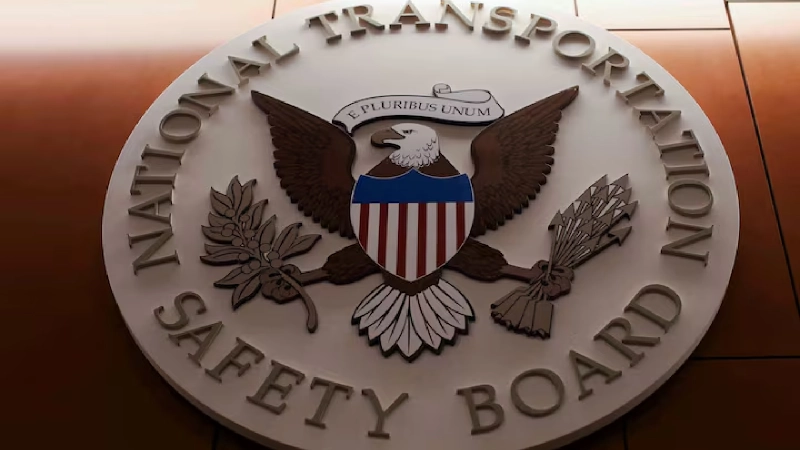
The United States transportation safety authority has raised fresh concerns over the rapid deployment of driver assistance technologies, warning that regulatory oversight has not kept pace with industry claims and real world risks. The review comes as officials examine fatal incidents linked to hands free driving systems, highlighting growing uncertainty around how these technologies are marketed and used. The findings have intensified debate around safety standards, consumer awareness and the role of regulators in managing emerging automotive technologies that are increasingly integrated into modern vehicles.
At the center of the review are advanced driver assistance systems that allow limited hands free operation under certain conditions. Investigators are examining incidents involving such systems to determine whether current safeguards are sufficient. The focus includes how drivers interact with the technology, how alerts are delivered and whether system limitations are clearly communicated. Concerns have also been raised about the gap between marketing language and actual system capabilities, which could lead to overreliance by drivers and increase the risk of accidents.
Officials have pointed to a broader issue of regulatory delays, noting that the pace of innovation in the automotive sector has outstripped the development of comprehensive safety frameworks. Questions have been raised about whether existing guidelines adequately address the complexity of semi autonomous features, especially as more vehicles adopt similar technologies. The lack of consistent federal standards has created a fragmented environment where manufacturers may follow different approaches, potentially leading to uneven safety outcomes across the industry.
Regulators and safety experts have emphasized the need for clearer rules and stronger oversight to ensure that driver assistance systems are deployed responsibly. Concerns have been expressed about the role of federal agencies in setting expectations for testing, labeling and performance standards. Officials involved in the review have indicated that stronger leadership and more proactive regulation could help reduce risks and improve transparency for consumers who rely on these technologies in everyday driving situations.
The current investigation follows a series of incidents that have drawn attention to the limitations of hands free systems, particularly in complex driving environments. While these technologies are designed to assist drivers rather than replace them, misunderstandings about their capabilities have been cited as a contributing factor in past accidents. Safety advocates argue that clearer communication and stricter standards are essential to prevent misuse and ensure that drivers remain engaged when using assistance features.
The issue also reflects a broader shift in the automotive industry as companies compete to introduce increasingly advanced features that blur the line between assistance and automation. This competition has accelerated innovation but has also raised questions about how quickly safety regulations can adapt. As more vehicles incorporate artificial intelligence and sensor driven systems, the need for a coordinated regulatory approach is becoming more urgent to maintain public trust and ensure consistent safety performance.
Looking ahead, the outcome of ongoing investigations could influence future policy decisions and shape how driver assistance systems are regulated in the United States. Industry participants are expected to closely monitor developments, as new rules could impact product design, marketing strategies and liability considerations. With technology continuing to evolve rapidly, regulators face the challenge of balancing innovation with safety, ensuring that advancements in mobility do not come at the cost of increased risk on the roads.