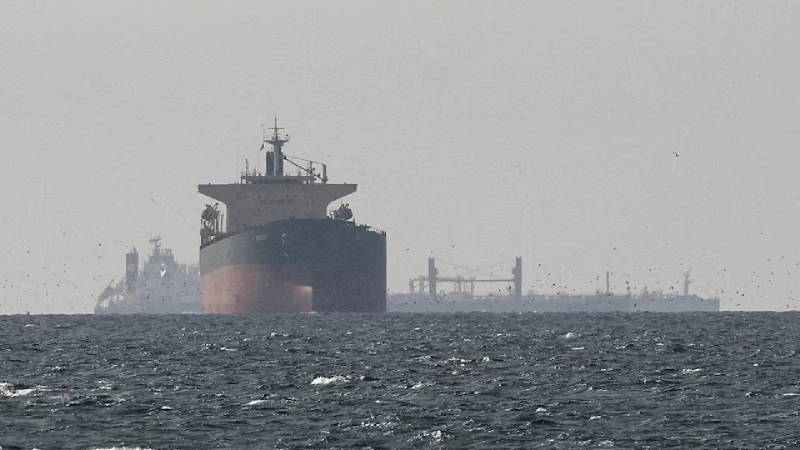
Global oil price expectations have risen sharply as prolonged disruptions linked to the Iran conflict continue to strain supply routes and tighten market conditions. Analysts have significantly revised their forecasts for 2026, reflecting the growing impact of restricted flows through critical energy corridors. The sharp upward adjustment marks one of the most substantial shifts in oil outlooks in recent years, highlighting how geopolitical tensions are rapidly altering assumptions about energy supply, pricing stability and global inflation trends.
New projections indicate that Brent crude could average around 82.85 dollars per barrel in 2026, a steep increase compared to earlier expectations before the conflict began. Similarly, U.S. crude is now expected to average close to 76.78 dollars per barrel, reflecting a broad upward revision across major benchmarks. These changes follow a sustained rally in oil prices since late February, with both benchmarks climbing significantly as supply disruptions intensified and uncertainty surrounding key shipping routes increased.
The closure of the Strait of Hormuz has emerged as a central factor driving these revised forecasts, as the passage accounts for a significant portion of global oil and liquefied natural gas shipments. Reduced flows through the region have forced producers to adjust output levels while increasing concerns about supply shortages. Analysts warn that continued disruption could push prices even higher, especially if alternative supply routes fail to compensate for the shortfall or if geopolitical tensions escalate further in the coming weeks.
Market experts suggest that the current trajectory of oil prices could lead to more extreme scenarios if disruptions persist. Some forecasts indicate that crude prices could approach historic highs under prolonged supply constraints, particularly if the Strait remains inaccessible for an extended period. Even if partial recovery occurs later in the year, supply levels are expected to remain below pre conflict conditions, keeping prices elevated and maintaining a risk premium across global energy markets.
The tightening supply environment is also expected to create imbalances between production and demand in the near term. Forecasts indicate that global oil markets may enter a deficit phase in the second quarter, driven by reduced output from major producers and continued logistical challenges. While strategic stock releases have been introduced to stabilize markets, analysts note that these measures provide only temporary relief and may not fully offset the scale of ongoing disruptions.
At the same time, structural limitations in key producing regions are expected to constrain rapid supply expansion. While some growth is anticipated in U.S. production, factors such as declining inventories and operational constraints are likely to slow the pace of recovery. Broader demand trends are also evolving, with high energy prices and economic uncertainty expected to moderate consumption growth across major economies, particularly in Asia.
Looking ahead, the balance between supply recovery and demand adjustment will play a critical role in shaping oil market dynamics through 2026. Even if transportation routes reopen and production gradually stabilizes, depleted inventories and ongoing geopolitical risks are expected to keep markets tight. This environment could sustain elevated prices while reinforcing inflationary pressures across the global economy, making energy markets a key focal point for policymakers and investors alike.