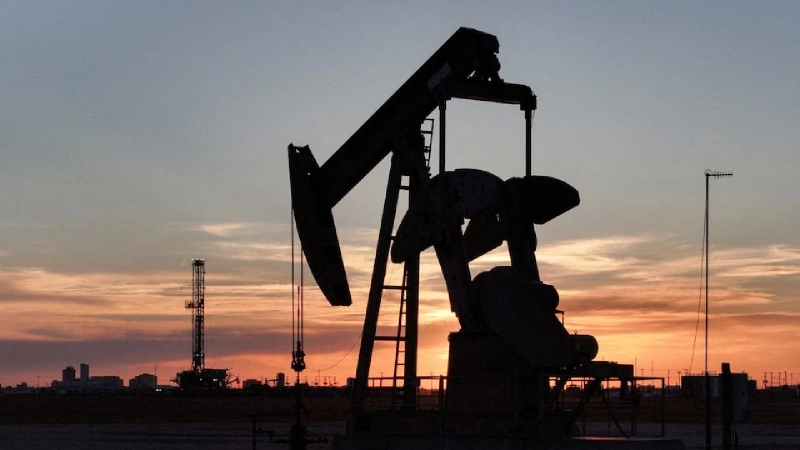
Oil prices surged sharply on Thursday as investors reacted to escalating geopolitical risks in the Middle East and growing disruptions to global supply chains. Brent crude climbed above $106 per barrel, while U.S. crude moved closer to $94, marking a strong rebound after recent declines. The rally comes as uncertainty deepens around the Iran conflict, with no clear diplomatic progress and increasing military activity in the region. Market participants are now pricing in the possibility of prolonged instability, which could further tighten energy supplies and drive inflationary pressures across the global economy.
The latest gains reflect mounting concerns over restricted oil flows through critical shipping routes, particularly the Strait of Hormuz, which handles a significant share of global crude and liquefied natural gas shipments. Limited tanker movements under heightened security conditions have added strain to already tight supply conditions. At the same time, military developments including troop deployments and continued strikes have intensified fears of broader disruption. Analysts say the combination of geopolitical uncertainty and logistical constraints is creating a fragile environment for energy markets, with prices reacting quickly to each new development.
Beyond the Middle East, additional supply shocks are compounding the situation and amplifying price volatility. A large portion of Russia’s oil export capacity has been disrupted following drone attacks and tanker seizures, further reducing global supply availability. In the Black Sea, a reported drone strike on an oil tanker near a key shipping corridor has heightened concerns about maritime security and transport risks. Meanwhile, declining production in Iraq and rising storage pressures are adding to the imbalance between supply and demand, reinforcing upward pressure on prices.
Market analysts emphasize that oil is now being driven primarily by geopolitical developments rather than traditional supply and demand fundamentals. The absence of active negotiations between Iran and the United States has reduced expectations for a near term resolution, leaving markets vulnerable to further escalation. Experts warn that continued instability could keep energy prices elevated, especially if shipping disruptions persist or intensify. This environment is also influencing broader financial markets, as investors adjust expectations for inflation, interest rates and economic growth.
Governments and central banks are beginning to respond to the evolving energy crisis, with some countries exploring coordinated measures to stabilize markets. Japan has already sought discussions around releasing additional strategic reserves to cushion the impact of supply disruptions. At the same time, rising U.S. crude inventories provide a limited offset but have not been enough to calm market concerns. Traders remain focused on geopolitical signals, with oil prices expected to remain highly sensitive to developments in the conflict and any changes in production or transport conditions.