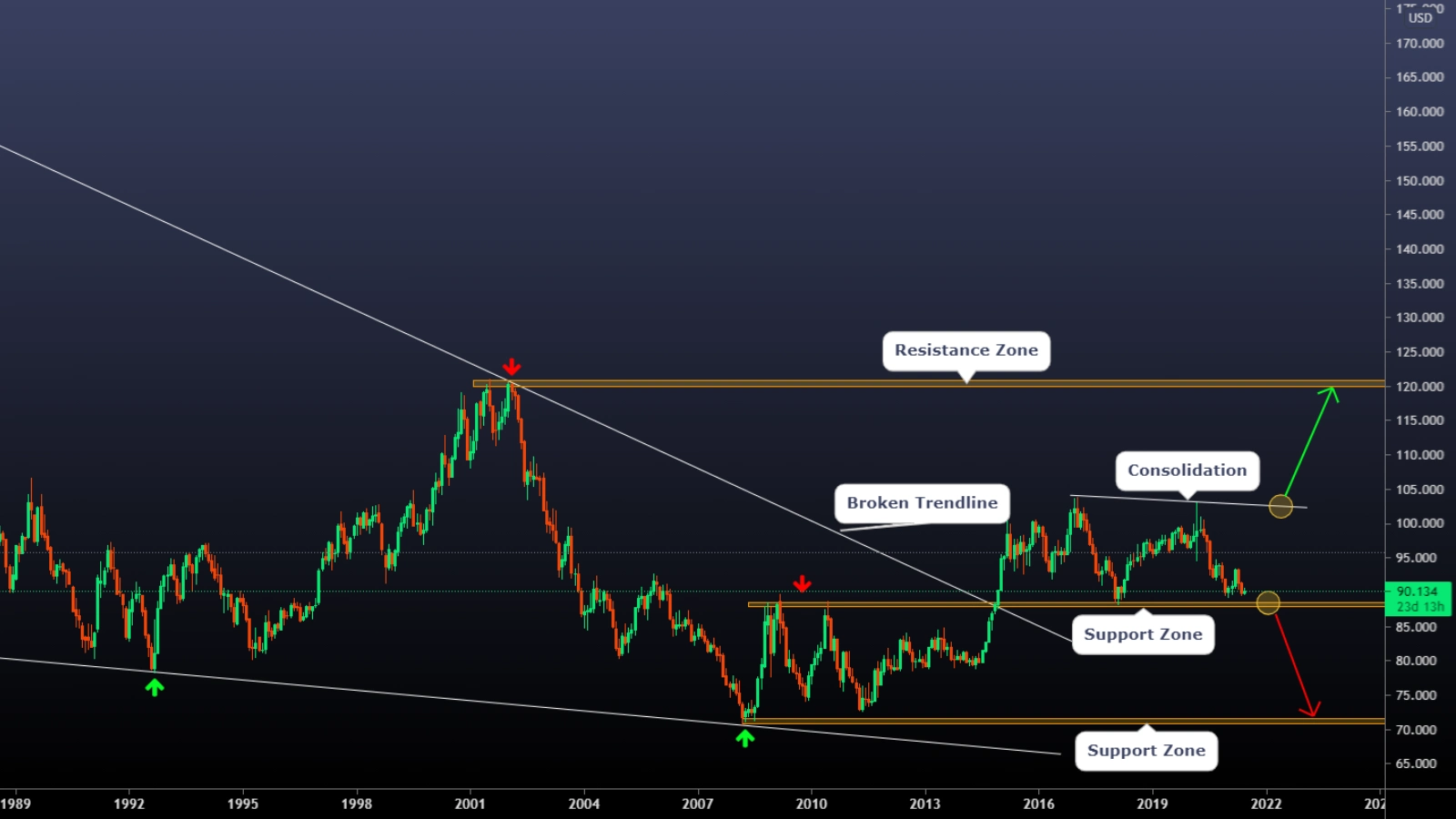
Introduction to the US Dollar Index
The US Dollar Index is moving less like a static scoreboard and more like a live match clock, reacting to headlines that reshape risk appetite and funding conditions in real time. The report that Elon Musk’s SpaceX may file for a share sale, which helped spark a sharp move in related equities, matters to dollar pricing because it changes the day’s balance between risk-taking and liquidity demand. In practice, that shifts which trades get funded in dollars and which positions get reduced when volatility rises. A hot equity tape can pull capital toward growth assets, while a sudden risk wobble can push investors back toward the dollar’s defensive role. Those swings show up quickly in DXY components and cross-rate hedging costs.
How Major Companies Influence Currency Markets
Large corporate events influence forex markets through the plumbing rather than the drama. When a high-profile firm signals secondary sales or fresh capital activity, it affects the expected supply of shares, the appetite for leverage, and the demand for hedges. Portfolio managers who chase momentum often raise cash or rotate exposures, and global desks commonly rebalance currency hedges at the same time. That can lift or drain demand for dollars depending on where the marginal flows originate and whether investors hedge back to base currency. Corporate treasurers also adjust cash management when volatility jumps, raising short-term dollar demand for settlements and collateral. For context on how these channels typically operate, Investopedia’s currency market primers outline why sentiment shocks often translate into rapid FX repricing.
SpaceX’s Economic Moves and Implications
SpaceX sits in a rare corner of private capital where headlines can move public proxies and spill into macro positioning. A potential share sale signals valuation discovery, liquidity events for holders, and possibly future funding needs that touch banks, venture funds, and index-adjacent investors. Even without direct FX transactions, the story alters how traders price “risk-on” sectors that are sensitive to rates. When the tape rewards growth, some investors lean away from defensive dollar exposure; when the story raises uncertainty, they often rebuild it. That push-pull affects USD strength by shifting demand for dollar cash and dollar hedges. A broader news account of the report and the market reaction is covered by the BBC’s report on the SpaceX share-sale filing talk, which illustrates how quickly sentiment can pivot.
Broader Effects on Forex and Treasury Markets
The cleanest transmission from equity excitement into the dollar runs through rates and volatility. If a corporate-driven rally tightens financial conditions expectations, rate-cut bets can fade, and that tends to support the dollar; if it boosts animal spirits while inflation data cools, markets may price easier policy, undercutting the dollar. That tug is visible in treasury markets, where yields reflect both growth optimism and the required compensation for risk. FX desks watch front-end yields because carry and hedging costs guide whether investors hold dollars or rotate. Domestic macro narratives also color the backdrop: a steady labor picture can keep yields firm and help the dollar, as seen in coverage of low US jobless claims supporting the Fed policy outlook. Commodity-linked risk also matters, with stress periods often lifting the dollar while squeezing high-beta currencies, echoing recent moves where a stronger dollar weighed on gold.
Future Projections for USD in Light of Market Changes
Near-term direction for DXY depends on whether corporate risk stories reinforce a higher-for-longer rate narrative or simply inject volatility that boosts defensive demand. If the market treats a SpaceX-related liquidity event as a sign capital remains abundant, the dollar can soften as investors reach for returns outside the US and reduce cash buffers. If the same story deepens uncertainty around valuations and funding, the dollar typically benefits from deleveraging and demand for collateral. The more durable driver remains policy expectations tied to inflation and growth, not a single headline, but corporate catalysts can accelerate the timing of repricing. External shocks can also override everything, and energy-driven risk episodes have recently been a major swing factor, consistent with reports on oil spikes tied to geopolitical tensions. Traders should expect sharp, event-driven moves that fade unless confirmed by rates and data.