USD & Forex
FX Volatility Is Falling but the Dollar’s Influence Is Not
Foreign exchange markets have entered 2026 with an unusual calm. Measures of implied volatility across major currency pairs have declined, signaling reduced expectations of sharp


Foreign exchange markets have entered 2026 with an unusual calm. Measures of implied volatility across major currency pairs have declined, signaling reduced expectations of sharp
Emerging market currencies entered 2026 with expectations of relief as global inflation eased and talk of U.S. rate cuts grew louder. Instead, many have continued
Concerns about rising U.S. debt levels have become a recurring theme in global macro discussions, yet currency markets continue to show limited reaction. Even as

The U.S. dollar has entered 2026 with a level of resilience that many market participants did not expect just a few months ago. Despite growing
Foreign exchange markets are becoming more volatile, yet the underlying direction of the US dollar has changed very little. Daily price swings have widened across

Discussions around the US dollar’s global role often focus on trust, geopolitics, or shifting investor sentiment. These narratives suggest that dollar dominance exists because markets
The US dollar is once again displaying a familiar pattern in global markets, strengthening during periods of both economic stress and relative stability. This phenomenon
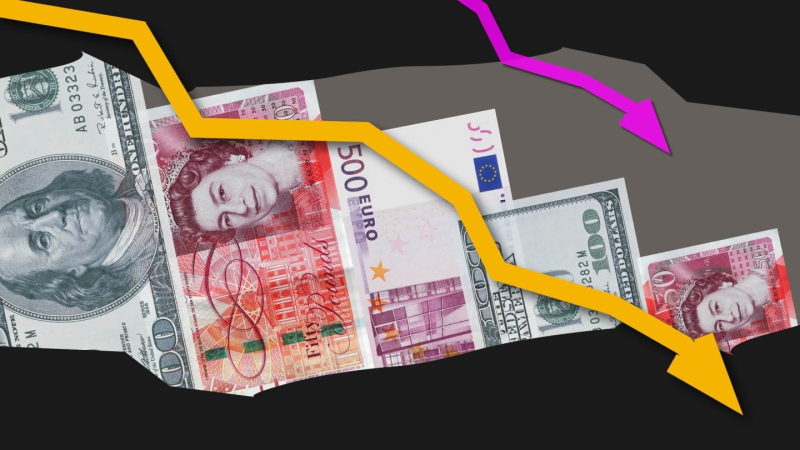
Global currency markets are beginning to reflect a shift that has been building beneath the surface for months. Dollar liquidity is becoming harder to access
Global markets often describe periods as either risk on or risk off, yet the behavior of the US dollar during these phases is more complex
The debate around US interest rate cuts has returned to the center of global markets, but the direction of the US dollar remains anchored less