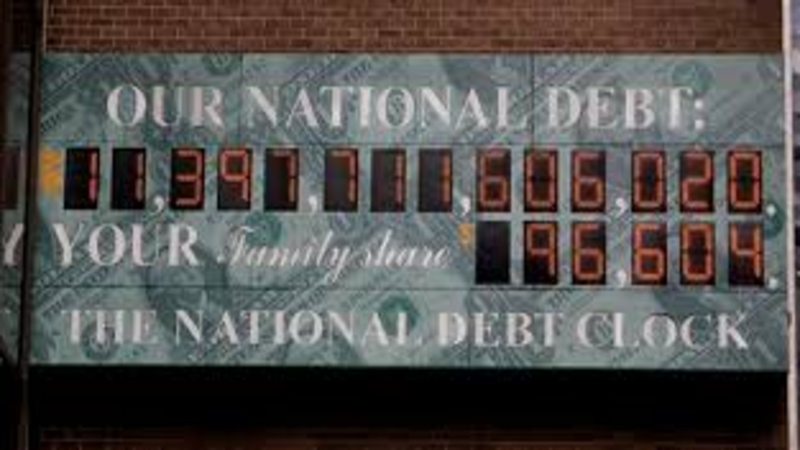
Debt clocks have become a familiar visual in macro analysis, ticking upward as a reminder of how much the world owes. For years, those clocks

Global debt levels have been elevated for years, but for much of that time, the burden felt manageable. Low interest rates softened the impact, allowing

Foreign exchange reserves are often treated as a simple scoreboard. Bigger numbers are assumed to mean stronger defenses and lower currency risk. In practice, this

Foreign exchange hedging has moved from a background function to a central driver of market dynamics. As global portfolios become more internationally diversified and volatility
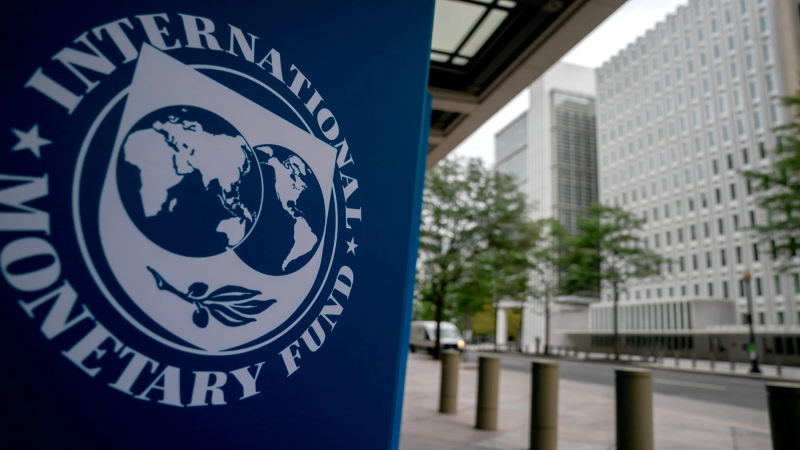
In emerging and frontier markets, few headlines move currencies faster than news tied to IMF programs. Even before formal negotiations conclude, speculation around financing support,
For much of the past few years, sovereign bonds were treated as a problem asset. Rising inflation, aggressive rate hikes, and sharp price losses pushed
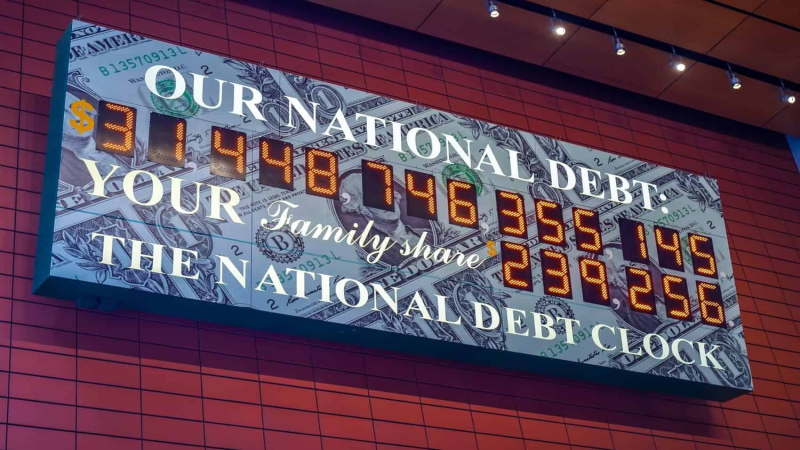
Global debt levels continued to climb through 2025, but the more important shift occurred beneath the headline totals. Rising interest costs, not new borrowing alone,

Dollar funding conditions rarely announce themselves through dramatic moves in spot exchange rates. Instead, stress builds quietly in the plumbing of the financial system. By

Market repricing cycles are a normal feature of financial systems. They occur when valuations adjust to changes in interest rates, growth expectations, or macro conditions.