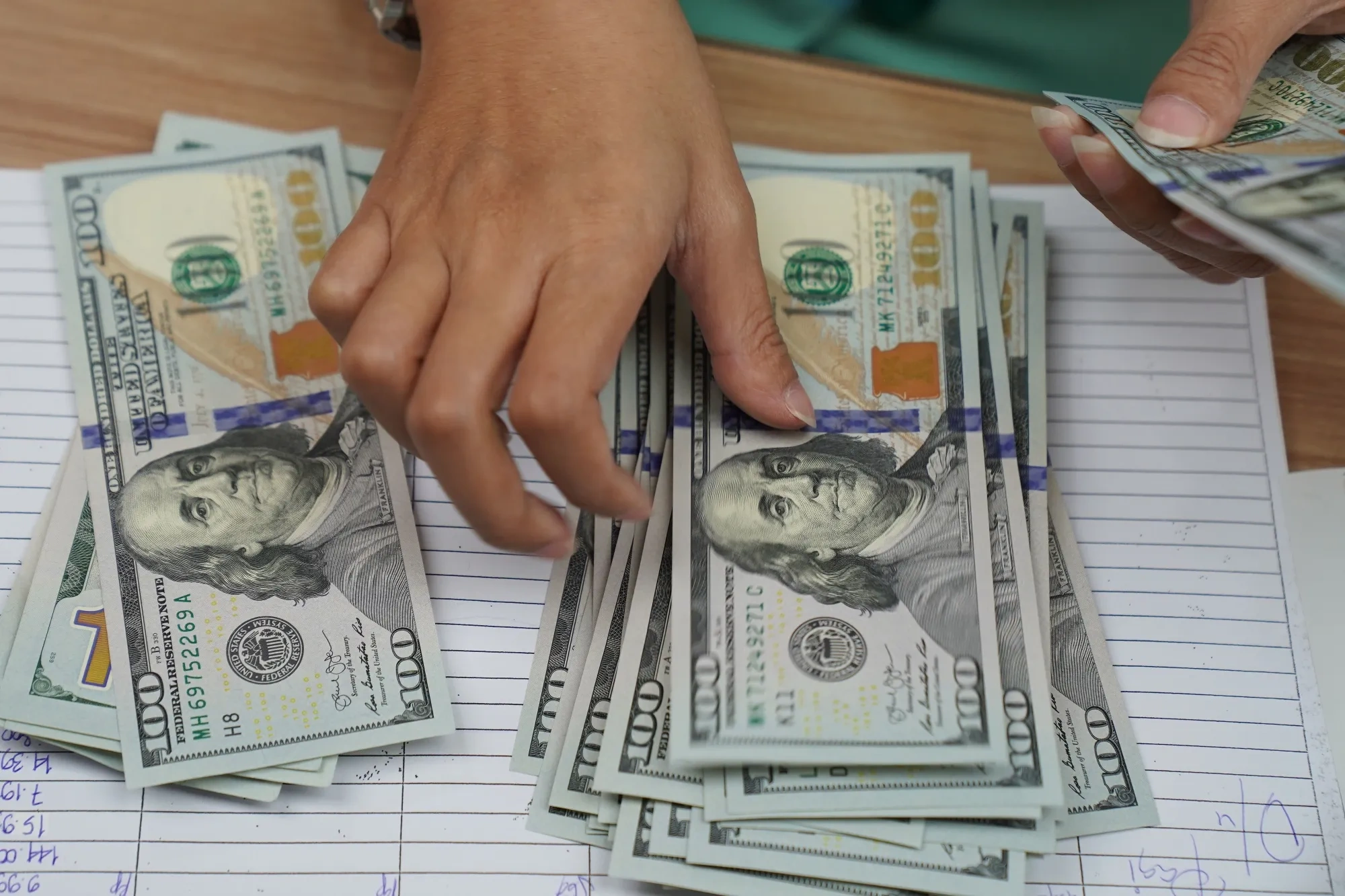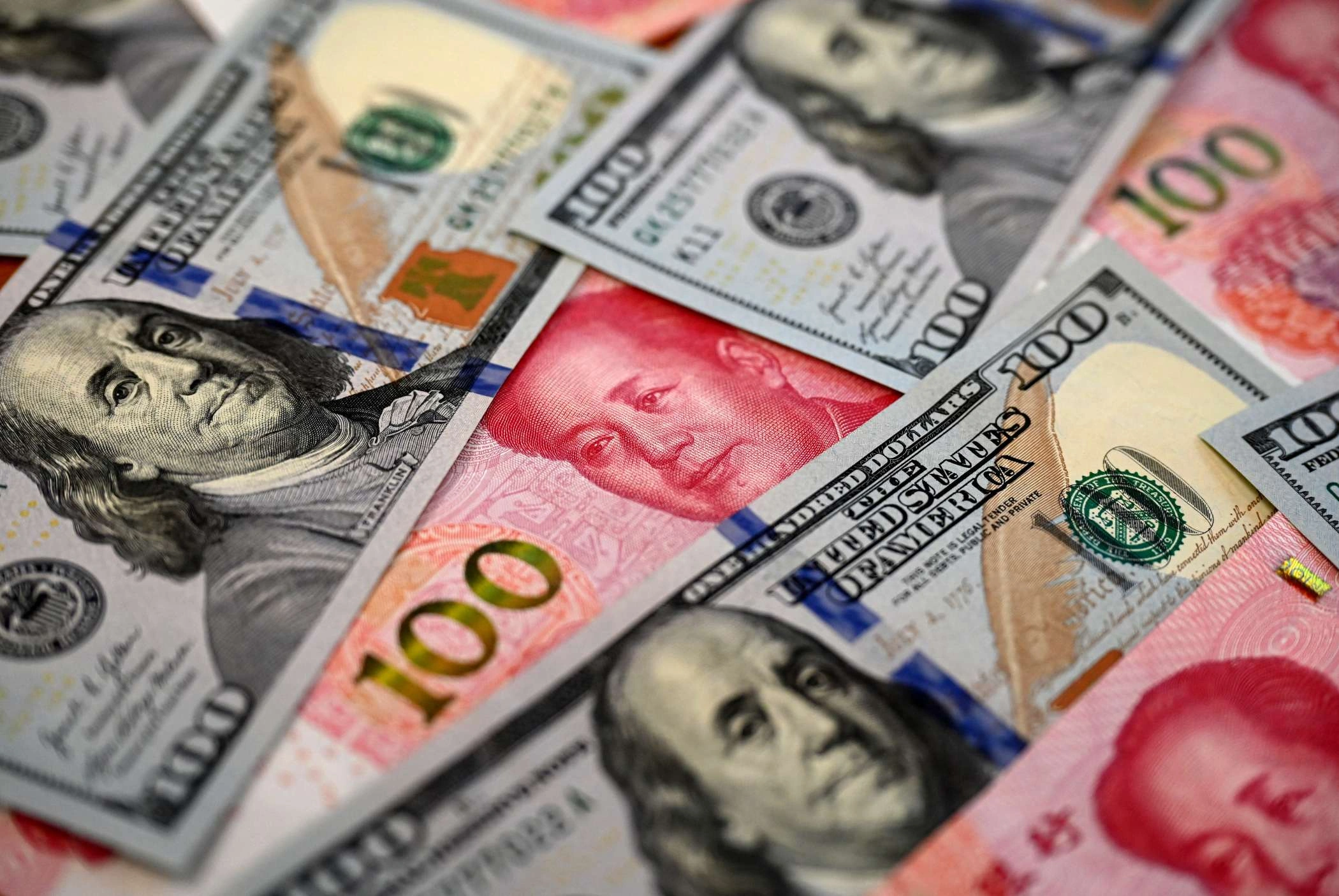
Foreign exchange reserves across Asia declined this week as central banks stepped up efforts to defend their currencies against a surge in the US dollar, highlighting growing pressure on regional financial stability. The strengthening dollar, driven by expectations around Federal Reserve policy, has triggered sharp outflows from Asian markets, forcing authorities to intervene more aggressively. Analysts noted that several countries have tapped into reserves to stabilize exchange rates, aiming to curb volatility and restore investor confidence amid tightening global liquidity conditions.
The recent drawdown in reserves reflects a broader shift in capital flows, as higher US Treasury yields attract funds back into dollar-denominated assets. This dynamic has widened interest rate differentials, making it more challenging for Asian currencies to compete. Economists emphasized that the repricing of rate cut expectations in the United States has intensified pressure on regional markets. As the Federal Reserve maintains a cautious stance, central banks across Asia are left balancing currency stability with domestic economic growth considerations.
Several Asian economies have responded with a combination of direct market intervention and monetary tightening, although the effectiveness of these measures has varied. While some currencies have stabilized temporarily, persistent dollar strength continues to pose challenges. The policy divergence between major global central banks, including the Bank of Japan, has further reinforced the dollar’s dominance. This divergence has complicated efforts by regional authorities to manage exchange rates without significantly impacting economic activity.
Market participants warned that continued depletion of foreign exchange reserves could limit the ability of central banks to respond to future shocks. Countries with smaller reserve buffers are particularly vulnerable, as sustained intervention may not be sustainable over the long term. In addition, higher borrowing costs linked to weaker currencies have increased financial stress for businesses and governments with dollar-denominated debt. These pressures underscore the broader implications of a strong dollar for regional and global financial systems.
Looking ahead, the outlook for Asian currencies and reserve levels will depend largely on the trajectory of US monetary policy and global market sentiment. A shift toward rate cuts by the Federal Reserve could ease pressure on currencies and reduce the need for aggressive intervention. However, if current trends persist, central banks may continue to draw down reserves to defend their currencies. Investors are expected to remain cautious, closely monitoring policy signals and macroeconomic data as the region navigates an increasingly complex financial landscape.