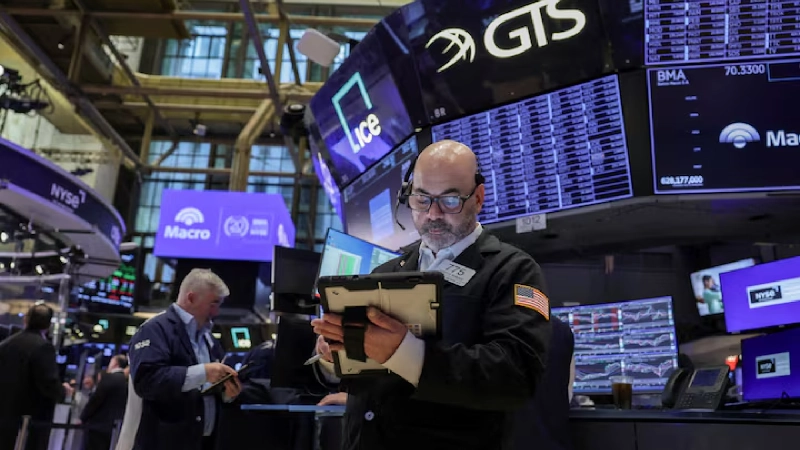
Wall Street’s major indexes moved higher as investor sentiment improved on signs that geopolitical tensions in the Middle East could ease, offering temporary relief to markets that have been under sustained pressure throughout March. Optimism around a possible slowdown in the conflict helped push equities upward, with gains seen across most sectors. Despite the rebound, markets remain on track to close the month with notable losses, reflecting the broader impact of prolonged uncertainty, rising energy prices and shifting expectations around global economic growth.
Investor confidence was supported by reports suggesting that U.S. leadership may be open to reducing military involvement even if key strategic routes remain disrupted. This development helped calm fears of further escalation that had previously driven volatility across equities, commodities and currencies. However, the broader market picture remains cautious, as the conflict has already weighed heavily on performance. Both the S&P 500 and the Dow Jones Industrial Average are still positioned for their weakest monthly showing in years, while quarterly losses are also expected to reflect the strain on risk assets.
Technology stocks led the recovery, rebounding after recent declines linked to concerns over high capital spending and evolving artificial intelligence competition. Gains in major technology and communication companies lifted overall market sentiment, while select corporate developments further boosted confidence. Positive momentum was also seen in firms expanding their role in artificial intelligence infrastructure, highlighting continued investor interest in long term growth themes despite short term macroeconomic challenges. The broader participation across sectors signaled a temporary shift toward risk taking after weeks of defensive positioning.
Market strategists note that the current rally reflects investor expectations rather than a confirmed shift in underlying conditions. Many traders are responding to the possibility of a quick resolution, even as key risks remain unresolved. Elevated oil prices continue to act as a major concern, especially as disruptions to critical shipping routes persist. Higher energy costs are expected to filter through the global economy, increasing production expenses and reinforcing inflation pressures that central banks are already struggling to manage effectively.
Economic data released alongside market movements added a mixed layer to investor outlook. Job openings in the United States came in slightly below expectations, indicating some cooling in labor demand, while consumer sentiment remained relatively stable. At the same time, expectations around monetary policy have shifted notably, with markets now pricing in fewer chances of interest rate cuts compared to earlier projections. Rising inflation risks linked to energy prices have forced investors to reconsider the likelihood of prolonged higher interest rates.
Beyond macroeconomic factors, individual corporate actions also influenced trading activity. Strategic investments and financing developments within the technology sector helped drive specific stock gains, reinforcing the importance of innovation driven growth narratives. Meanwhile, some companies faced downward pressure following weaker earnings outlooks or restructuring announcements, highlighting the uneven impact of current economic conditions across industries.
Looking ahead, the direction of global markets will depend heavily on whether geopolitical tensions continue to ease or re escalate. Investors remain highly sensitive to developments related to energy supply routes and military strategy, as these factors directly influence inflation and growth expectations. While the latest gains offer a short term boost to market sentiment, the broader outlook remains uncertain, with volatility likely to persist as financial markets adjust to evolving geopolitical and economic dynamics.