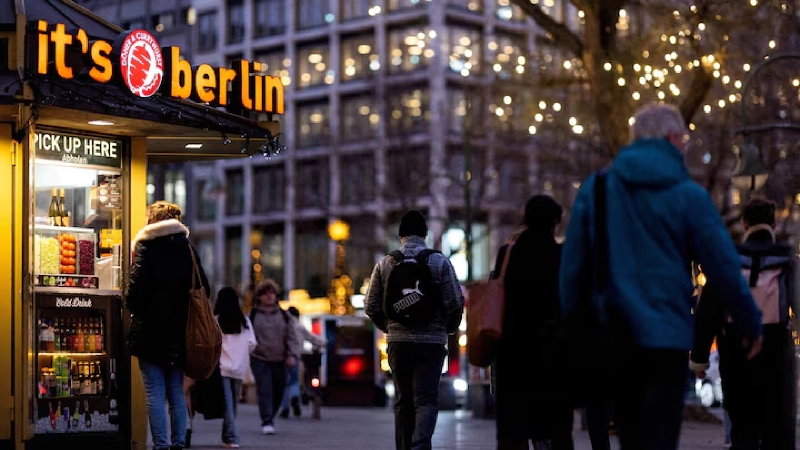
Consumer sentiment across the euro zone has deteriorated sharply as the ongoing Middle East conflict pushes energy prices higher and raises fears of a renewed cost of living crisis. Surveys from Germany, France and Italy show growing pessimism among households, reflecting concerns over rising fuel costs and the potential for broader inflationary pressures. Germany’s consumer confidence index has fallen to its lowest level in two years, signaling that economic uncertainty is beginning to weigh more heavily on spending expectations and financial outlooks across the region.
The decline in sentiment comes as energy prices continue to climb, driven by disruptions linked to the conflict and concerns over global supply routes. Higher fuel costs are already visible at the consumer level, with households facing increased expenses at the pump. Economists warn that the full impact has yet to be felt, as rising input costs such as fertilizers are expected to push food prices higher in the coming months. This combination could place additional strain on household budgets and reduce discretionary spending across key European economies.
Analysts suggest that consumer confidence may weaken further if the conflict persists and inflation pressures intensify. Current data may not fully capture the latest developments, as surveys were conducted before some of the most recent escalations. Experts expect a sharper deterioration in sentiment if geopolitical tensions continue without resolution. Business confidence is also showing signs of decline, with industrial sectors reporting growing concerns about economic conditions and demand outlooks, indicating that the impact is spreading beyond households to the broader economy.
The European Central Bank is now facing increasing pressure to respond to rising inflation risks, with policymakers signaling the possibility of further interest rate hikes. Financial markets have already begun pricing in additional increases this year, pushing borrowing costs higher across the region. While tighter monetary policy may help control inflation, it could also slow economic growth by making credit more expensive for businesses and consumers. This creates a challenging balance for policymakers as they navigate a complex economic environment shaped by both inflation and geopolitical uncertainty.
Economists warn that the current situation could mirror previous energy driven shocks, but with less fiscal support available to cushion the impact. Governments may have limited capacity to provide large scale relief measures, leaving households more exposed to rising costs. Slower economic growth is increasingly being discussed as a potential outcome, with some forecasts pointing toward a risk of recession if conditions worsen. The interplay between inflation, interest rates and consumer sentiment will be critical in determining the trajectory of the euro zone economy in the months ahead.
Recent data suggests that economic activity had been relatively stable before the escalation of the conflict, with steady lending growth indicating moderate expansion. However, the outlook has become more uncertain as energy prices rise and confidence declines. Policymakers are expected to monitor a broad range of indicators rather than focusing solely on oil prices, as they assess the overall health of the economy. The evolving situation continues to shape expectations, with both consumers and businesses adjusting to a rapidly changing economic landscape.