New York, August 27 – In global markets, volatility is the only constant. For commodity traders and producers, swings in prices can be devastating, particularly when driven by foreign exchange fluctuations. One strategy that has stood the test of time is using the U.S. dollar’s strength as a natural hedge. With the dollar still dominating commodity pricing worldwide, businesses and governments alike turn to the greenback as a shield against market uncertainty.
The Dollar as the World’s Anchor
Commodities such as oil, gold, copper, and agricultural products are overwhelmingly priced in U.S. dollars. This structure, developed in the post–World War II era and entrenched during the petrodollar system of the 1970s, has created a dollar-centric global marketplace. For exporters, a strong dollar translates into higher revenues in local currency terms, even if global demand softens. Importers, however, face the reverse effect, as stronger dollars raise import costs.
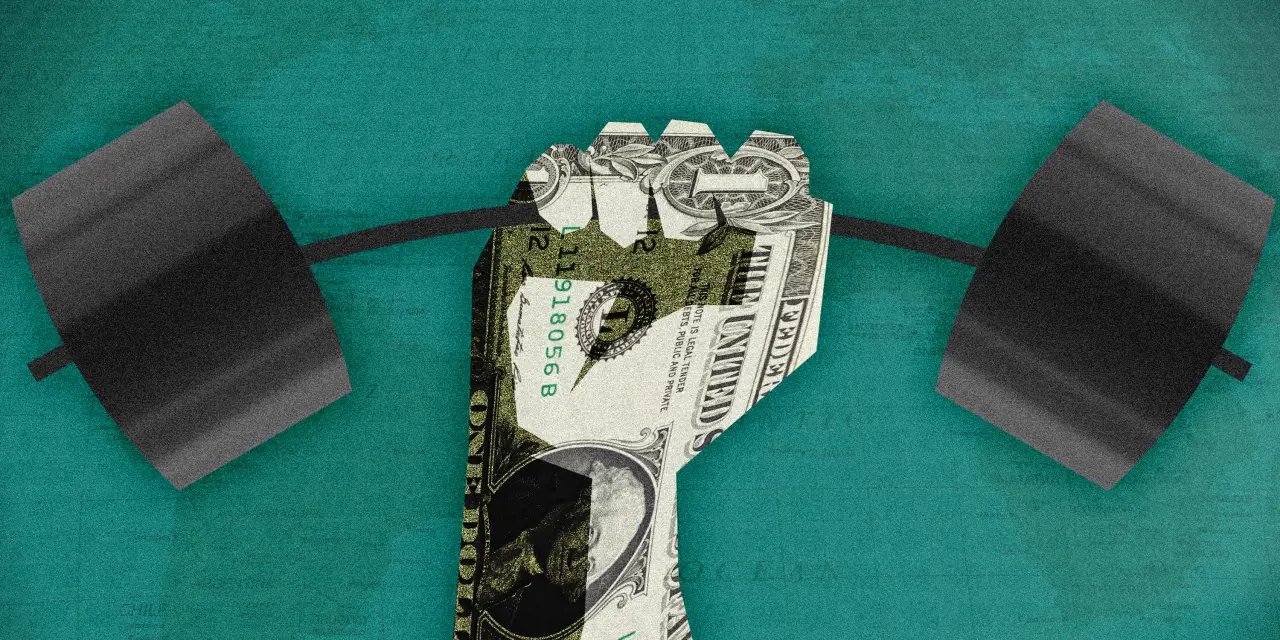
This dual role makes the dollar not only a pricing benchmark but also a strategic hedging tool. By aligning their balance sheets, reserves, or trade contracts with dollar exposure, market participants can mitigate commodity price volatility.
Hedging 101: How the Dollar Fits In
Hedging in commodities typically involves futures contracts, options, or swaps designed to lock in prices and reduce risk. But for many traders, particularly in emerging markets, direct access to sophisticated derivatives markets may be limited. Here, the dollar itself acts as a built-in hedge.
For example:
- Exporters of oil or metals often see higher local revenues when the dollar strengthens, offsetting declines in global demand.
- Importers of grains or energy sometimes hold dollar reserves or forward contracts to protect against sudden currency depreciation.
- Sovereign funds diversify their portfolios into dollar assets, using them as a cushion against commodity shocks.
This linkage allows both governments and corporations to smooth earnings and stabilize budgets in the face of unpredictable commodity cycles.
The Dollar and Oil: A Case Study
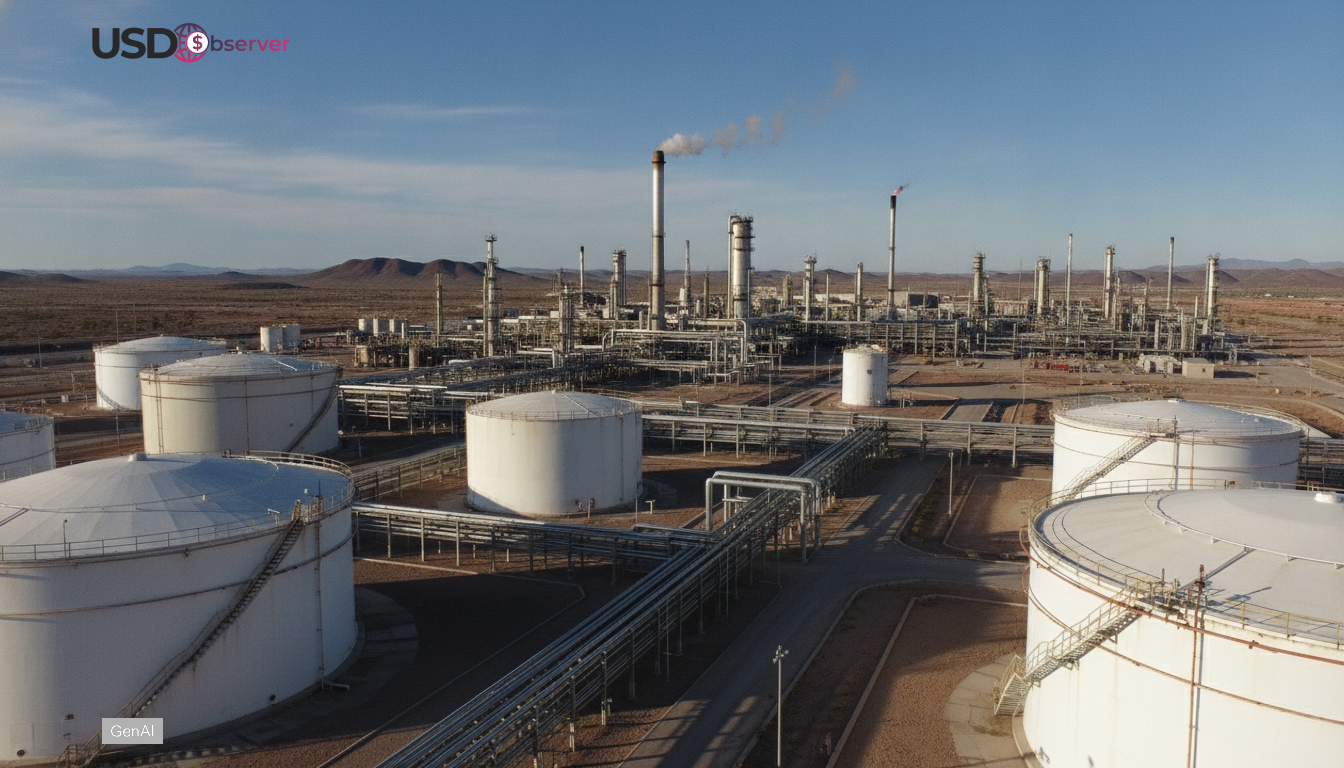
Oil markets provide the clearest example of the dollar’s hedging function. When the dollar strengthens, oil prices often decline in global terms, softening the impact on U.S. importers and consumers. But for oil-exporting nations like Saudi Arabia or Nigeria, revenues in local currencies rise even if prices per barrel fall. This creates a natural hedge that stabilizes government finances.
Conversely, a weaker dollar usually lifts oil prices, but exporters face reduced local currency gains. Many oil-rich economies use sovereign wealth funds to reinvest surplus dollars abroad, further reinforcing the dollar’s role as a protective buffer.
Emerging Market Strategies
For emerging economies, commodity dependence and dollar exposure are deeply intertwined. Nations like Brazil (soybeans), Chile (copper), and Indonesia (palm oil) rely heavily on dollar-denominated trade. To hedge against dollar-driven volatility, central banks in these countries build up foreign exchange reserves, predominantly in dollars.
Companies also take similar measures. Mining giants in Latin America and agricultural exporters in Asia often maintain dollar-denominated credit lines or hedge positions to stabilize revenues. By holding liabilities and assets in dollars, they match their balance sheets to their export revenues, creating a financial hedge against local currency swings.
Corporate Hedging with Dollar Debt
Interestingly, many corporations choose to issue debt in dollars rather than local currency. While this exposes them to repayment risks when the dollar strengthens, it also aligns their obligations with the revenue they earn from dollar-based exports. For commodity producers, this reduces the mismatch between income and liabilities, serving as an effective hedge.
Take an African gold miner as an example: revenues flow in U.S. dollars because gold is priced globally in the greenback. If the company issues bonds in dollars, it ensures repayment obligations are naturally aligned with its income stream, reducing risk.
The Role of U.S. Monetary Policy
The Federal Reserve’s interest rate decisions play a pivotal role in determining how effective the dollar can be as a hedge. Higher U.S. rates generally strengthen the dollar, often pushing commodity prices lower. This provides relief to U.S. consumers and importers but complicates matters for emerging markets. For exporters, however, stronger dollar revenues act as a shield, cushioning the blow from softer commodity demand.
This dynamic explains why traders and policymakers around the globe track Federal Reserve meetings closely. A single rate hike or dovish signal can ripple across commodity markets, reshaping hedging strategies overnight.
Looking Ahead: Alternatives on the Horizon?
Despite the dollar’s dominance, alternatives are slowly emerging. Some commodity exporters, including Russia and parts of the Middle East, are experimenting with non-dollar contracts, settling trades in yuan or euros. Others are exploring Central Bank Digital Currencies (CBDCs) as potential hedging instruments.
However, analysts argue that until another currency achieves the depth, liquidity, and trust of the dollar, it will remain the cornerstone of commodity hedging strategies. For now, the greenback’s global reach provides stability in an otherwise volatile marketplace.
Conclusion
In a world of fluctuating commodity prices and unpredictable global demand, the U.S. dollar remains more than just a currency—it is a shield. From oil-rich Gulf states to soybean farmers in South America, traders, governments, and corporations alike continue to rely on the dollar’s strength as a natural hedge. While diversification efforts and digital experiments may chip away at its dominance, the dollar’s role in commodities hedging is far from over. For market participants, it remains the safest line of defense against volatility.